

Last Updated on August 6, 2026 by African Travel Hub Editorial
Zambia – Pre-Travel Information 2026-2027
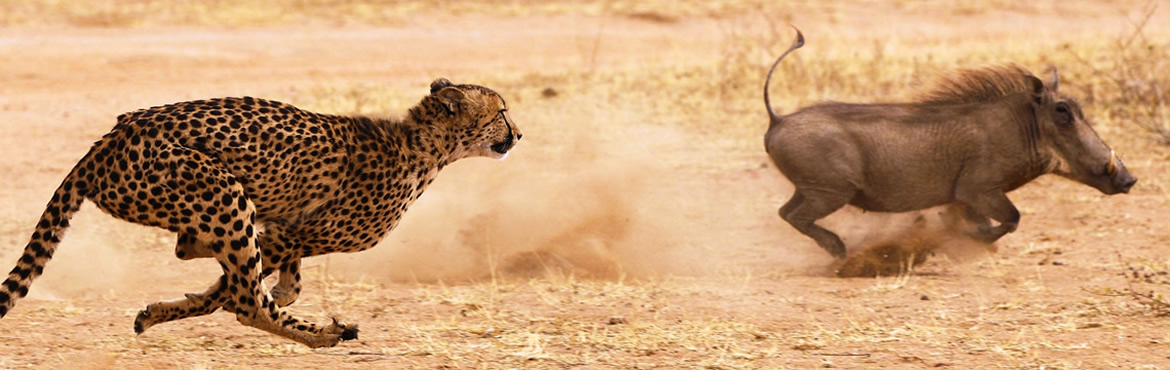
Zambia is where the walking safari was born — and where it remains at its most authentic. The country built its tourism identity not on volume but on wilderness: fewer vehicles per lion than anywhere else, more certified walking guides per square kilometre of protected land than any comparable African nation, and parks so vast and so empty that you can walk three hours before breakfast without seeing another person. Add to this the most accessible view of the world’s largest waterfall, Africa’s second-largest wildebeest migration, the world’s largest mammal migration by number, and a river system that defines an entire ecological biography — the Zambezi — and you have a destination that rewards the traveller who chooses depth over convenience. This guide gives you every practical fact you need, structured so you can find answers fast.
1. Zambia at a Glance — Key Fast Facts
| FACT | DETAIL |
|---|---|
| Location | Landlocked in Southern Africa; shares borders with eight countries: Democratic Republic of Congo (north), Tanzania (northeast), Malawi (east), Mozambique (southeast), Zimbabwe (south), Botswana (south), Namibia’s Caprivi Strip (southwest), and Angola (west) |
| Area | 752,618 km² (290,585 sq mi) — larger than France and Germany combined |
| Capital | Lusaka (elevation ~1,280 m / 4,199 ft) — also the largest city and commercial hub |
| Population | ~20.4 million (2024 estimate) |
| Official Language | English (used in government, business, and all tourism). Over 70 local languages are spoken; Nyanja (Lusaka), Bemba (Copperbelt), Tonga (Southern Province), and Lozi (Western Province) are the most widely used. |
| Currency | Zambian Kwacha (ZMW, symbol: K). The Kwacha strengthened substantially in 2025–2026, appreciating 43% against the USD from May 2025 to May 2026. August 2026 approximate rate: USD 1 ≈ ZMW 19. Most safari lodges and all national park fees are quoted in USD. |
| Time Zone | Central Africa Time (CAT) — UTC+2. No daylight saving time. |
| Electricity | 230 V / 50 Hz. Type G (British 3-pin square plug) — same as the UK. Bring a universal adapter for other plug types. Remote camps may run on solar or generator. |
| Driving | Left-hand traffic. International Driving Permit strongly recommended for self-drive. Do not drive after dark — unlit wildlife, cattle, and poor road conditions cause frequent serious accidents. |
| Internet | Good 4G coverage in Lusaka, Livingstone, Ndola (Copperbelt), and major towns. Airtel and MTN are the dominant networks. Coverage in national parks is limited to non-existent; most remote camps use satellite internet in common areas only. |
| Emergency Number | 999 (police/ambulance/fire) or 112 from a mobile |
| Political Status | Stable multi-party democracy. President Hakainde Hichilema (UPND) elected in 2021 in a landslide; next elections due 2026. |
| Tourism Authority | Zambia Tourism Agency: www.zambiatourism.com |
| Parks Authority | Department of National Parks and Wildlife (DNPW): www.dnpw.gov.zm |
2. Zambia Visa & Entry Requirements (Updated 2026)
Zambia has one of the most liberal visa policies in Africa. Following two successive liberalisation rounds — in 2022 and again on 1 January 2025 — citizens of 167 countries and territories can now enter Zambia without any visa for short tourism stays. For most visitors from Europe, North America, and the Asia-Pacific, entry is entirely hassle-free.
2.1 Visa-Free Entry — Who Qualifies?
As of 1 January 2025 (formalised under Statutory Instrument No. 78 of 2024), visa-free entry applies to citizens of 167 nations, including:
| REGION | KEY VISA-FREE NATIONALITIES |
|---|---|
| North America | United States, Canada |
| Europe | United Kingdom, Germany, France, Netherlands, Italy, Spain, Portugal, Switzerland, Austria, Belgium, Sweden, Norway, Denmark, Finland, Ireland, Poland, Czech Republic, Hungary, and all EU/Schengen member states |
| Asia-Pacific | Australia, New Zealand, Japan, South Korea, Singapore |
| Middle East | Israel |
| Africa | South Africa, Kenya, Tanzania, Rwanda, Uganda, Botswana, Namibia, Zimbabwe, and all SADC member states |
Conditions for visa-free entry:
- Maximum stay: 30 days per entry, extendable twice for 30 days each at the nearest Zambia Immigration office (maximum 90 days per year for tourists; 30 days per year for business visitors)
- Passport must be valid for at least 6 months beyond your planned departure from Zambia
- At least 2 blank pages available for entry and exit stamps
- Proof of onward travel (return or connecting flight booking) may be requested
- Proof of sufficient funds may be requested
For the complete and authoritative list of visa-free nationalities, consult the Zambia Department of Immigration.
2.2 Zambia eVisa — For Nationalities Not on the Visa-Free List
Citizens of countries not covered by the visa-free agreement can apply for a Zambia eVisa online before travel.
Official eVisa portal: eservices.zambiaimmigration.gov.zm
| VISA TYPE | FEE (USD) | VALIDITY | STAY |
|---|---|---|---|
| Single Entry | USD 25 | 90 days from issue | Up to 30 days |
| Double Entry | USD 40 | 90 days from issue | Up to 30 days per entry |
| Multiple Entry | USD 75 | 90 days from issue | Up to 30 days per entry |
Processing time: 3 business days. Apply at least 2 weeks before departure. Bring a printed copy of your eVisa approval alongside your passport. Visa on arrival is also available at Kenneth Kaunda International Airport (Lusaka), Harry Mwaanga Nkumbula International Airport (Livingstone), Victoria Falls border, and Kazungula border — but applying online avoids queues.
Warning: Several unofficial third-party websites mimic the official eVisa portal and charge inflated fees. Only use the official government portal above.
2.3 The KAZA UniVisa — For Victoria Falls and Zimbabwe Visitors
If your itinerary combines Zambia and Zimbabwe — the standard Victoria Falls circuit — the KAZA UniVisa (USD 50) covers multiple entries between both countries for up to 30 days. It also permits a day trip to Botswana via the Kazungula border crossing.
KAZA UniVisa is available at:
- Kenneth Kaunda International Airport (Lusaka) — LUN
- Harry Mwaanga Nkumbula International Airport (Livingstone) — LVI
- Victoria Falls land border (Zambia–Zimbabwe)
- Kazungula border post (Zambia–Botswana)
The KAZA UniVisa is not available to all nationalities — confirm eligibility at www.zambiaimmigration.gov.zm before purchasing. It is particularly useful for visitors crossing between Livingstone (Zambia side of the Falls) and Victoria Falls town (Zimbabwe side) for activities on both banks.
2.4 Travelling with Children Under 18
Zambia requires all children under 18 to carry their unabridged birth certificate (listing both parents’ names). If a child is travelling:
- With one parent: A notarised parental consent letter from the absent parent, with their identity document details and contact information.
- With neither parent: Notarised consent from both parents plus contact details of the responsible adult in Zambia.
This documentation is checked at all ports of entry. A missing birth certificate can result in denied boarding or denial of entry at the Zambian border.
2.5 General Entry Requirements
- Proof of return or onward travel may be requested by immigration (particularly for those arriving by land and water)
- Border post hours vary; check specific crossing times before planning an overland entry
- Overstaying your visa period may result in fines and difficulties with future entry
- A Tourism Levy of USD 5 per person is payable at international airports on arrival; this is separate from visa fees
3. Best Time to Visit Zambia
Zambia’s safari calendar divides clearly between the dry season (game viewing) and the green season (birdwatching, waterfalls, specialist migrations). Two major spectacles — the Kasanka bat migration and the Liuwa Plain wildebeest migration — run counter to the standard safari calendar and peak during the green season.
| PERIOD | CONDITIONS | HIGHLIGHTS |
|---|---|---|
| Nov – Apr (Green Season) | Hot (28–36°C), afternoon thunderstorms, high humidity in valleys. Some park roads impassable. Many bush camps close December–March. Lower accommodation rates (20–40% less). | Outstanding birdwatching (migratory species arrive). Liuwa Plain wildebeest migration peaks November–March. Kasanka bat migration: 8–12 million bats October–December. Victoria Falls building to peak flow. Dramatic electrical storms for photography. |
| May (Transition) | Rains taper off. Roads begin to dry. Vegetation still lush. Most camps open by late May. Days 24–30°C; nights cooling. | South Luangwa and Kafue bush camps reopen. Good value — before peak-season prices kick in. Walking safaris begin. |
| Jun – Aug (Peak Dry Season) | Clear skies; cold mornings (0–8°C possible at dawn in South Luangwa and Kafue); warm days (22–28°C). Vegetation thinned; excellent visibility. | Walking safaris at their finest. Predator activity peaks as prey concentrates at rivers. Victoria Falls at medium flow — spray still present, views clear. Book 6–9 months ahead for premier camps. Peak demand; highest prices. |
| Sep – Oct (Late Dry — Best Game) | Very hot in valleys (35–42°C in Lower Zambezi and South Luangwa). Vegetation minimal. Wildlife at maximum concentration near permanent water sources. | Best game viewing across Zambia. Elephant, buffalo, lion, leopard, and wild dog at waterholes in extraordinary densities. Lower Zambezi and South Luangwa peak conditions. Victoria Falls at lowest flow — clearest views of the gorge. Canoeing on Zambezi. Hot — prepare. |
Specialist seasonal planning:
- South Luangwa walking safaris: May–October, with September–October being the most dramatic.
- Kafue National Park: The Busanga Plains (north) are only accessible May–November; the south is accessible year-round.
- Victoria Falls peak spectacle: February–May (peak flow, maximum drama, but spray obscures photography).
- Kasanka bat migration: Late October through December — plan around the October-November peak.
- Liuwa Plain wildebeest: November–March; best in December–January when concentrations are highest.
- Canoeing the Lower Zambezi: September–November at low water; best when sandbars expose hippo pools.
- Tiger fishing (Zambezi and Kafue): September–November; prime for trophy-size tiger fish.
4. Zambia’s Top Parks, Reserves & Attractions
Zambia protects approximately 31% of its territory across 20 national parks, 36 game management areas (GMAs), and several forest reserves — one of the highest protection ratios on the African continent.
4.1 South Luangwa National Park — The Valley of the Leopard
South Luangwa is Zambia’s premier safari destination, and one of Africa’s finest national parks by any measure. Covering 9,050 km² of the Luangwa Valley, it sits within the Luangwa rift — a branch of the East African Rift System — where the Luangwa River loops and oxbows through riparian woodland, ebony groves, and open floodplain.
Zambia’s most important claim in safari history: South Luangwa is the original birthplace of the guided walking safari. In 1950, British conservationist Norman Carr led the first commercial walking safari with guests on foot in African wilderness, in these forests alongside the Luangwa River. That tradition has been built upon by successive generations of guides — the Zambian walking guide is now widely regarded as the most skilled and experienced in Africa. Many South Luangwa camps offer walking as their primary activity; some camps offer nothing else.
Wildlife: The park holds approximately 14,000 elephants, one of Africa’s highest leopard densities (the “Valley of the Leopard” name is well-earned — leopard sightings here are among the most reliable on the continent), plus lion, wild dog, hyena, hippo, and Nile crocodile in extraordinary numbers. Hippo and crocodile populations are among the highest in Africa; the Luangwa River at low water is essentially a continuous pod of hippos.
Zambian endemic species found here:
- Thornicroft’s giraffe — a subspecies of Masai giraffe found only in the Luangwa Valley; approximately 1,500 individuals remain
- Cookson’s wildebeest — subspecies of blue wildebeest endemic to the Luangwa Valley
- Crawshay’s zebra — subspecies of plains zebra distinguished by thinner, more sharply defined striping
- Lilian’s lovebird — brilliant orange-headed parrot found in the mopane woodland
Birdwatching: 460+ species recorded including Pel’s fishing owl (a sought-after specialist), carmine bee-eater colonies (nesting in river banks October–November), African skimmer, Bohm’s bee-eater, and Narina trogon.
Walking safari types available:
- Day walks (included with most camp packages, 2–4 hours)
- Night walks (in private concessions; extraordinary for nocturnal species)
- Multi-day fly-camp walks (2–7 nights; sleep in remote wilderness shelters; the most immersive experience in Zambia)
- Mobile walking safaris (lodge-to-lodge walking; guides carry camps)
Access: Mfuwe International Airport (MFU), served by Proflight Zambia from Lusaka (1 hour), with connections from Johannesburg and Livingstone. Road from Lusaka is 9–10 hours on mixed-quality roads — not recommended.
Season: Most camps open May–October/November. Some year-round camps operate in the Mfuwe area near the park boundary.
Entry fees (2026):
| VISITOR CATEGORY | FEE PER PERSON PER DAY |
|---|---|
| International (with lodge vehicle) | USD 25 |
| International (self-drive) | USD 30 |
| SADC residents | USD 20 |
| Zambian citizens | ZMW 41.70 |
4.2 Kafue National Park — Africa’s Second-Largest Wildlife Reserve
At 22,400 km², Kafue is Zambia’s largest — and Africa’s second-largest — national park, roughly the size of Wales or the US state of Massachusetts. Gazetted in 1950, it is also Zambia’s oldest national park. When combined with its surrounding 45,400 km² of Game Management Area buffer, the Kafue ecosystem constitutes a protected zone equivalent to 9% of Zambia’s entire landmass.
Why Kafue is undervisited and why that matters for safari travellers: Kafue receives a fraction of the visitors of South Luangwa, despite comparable or superior wildlife in certain areas. The result — as with any low-footprint destination — is an intimacy of encounter that busier parks simply cannot offer. A lion in Kafue is likely to have your vehicle as the sole observer; in more popular parks, a lion sighting can attract a queue.
Wildlife: Kafue holds 22 species of antelope — the highest antelope diversity of any national park in Africa. Key species include red lechwe, puku, Kafue lechwe (endemic subspecies), sable, roan, oribi, bushbuck, impala, waterbuck, and eland. Predators include lion, leopard, cheetah, wild dog, and hyena. The Kafue River supports at least 2,400 hippos, one of the larger Zambian populations. Black rhinoceros are earmarked for reintroduction to Kafue through African Parks, which co-manages the park with Zambia’s Department of National Parks and Wildlife — a conservation milestone expected from 2026 onward.
The Busanga Plains in the park’s far north are among the finest — and least-visited — wildlife areas in Zambia. A vast seasonal floodplain that transforms into a mirror-flat wetland during the green season and a dust-golden savannah during the dry, the Busanga Plains host red lechwe, sitatunga, puku, oribi, roan, sable, wild dog, lion, and one of Zambia’s only confirmed breeding populations of endangered wattle cranes. It is accessible only May–November when roads dry; a handful of exclusive camps operate here during the season.
Entry fees (2026):
| VISITOR CATEGORY | FEE PER PERSON PER DAY |
|---|---|
| International | USD 20 |
| SADC residents | USD 15 |
| Zambian citizens | ZMW 33.60 |
Access: Lusaka is roughly 1 hour by charter flight to the northern sector (Busanga Plains) or 3–4 hours by road to the southern sector (near Livingstone, via Itezhi-Tezhi Dam). Proflight Zambia operates seasonal charter services to Kafue bush airstrips. Self-drive on the T2 highway through the park is possible from Lusaka.
4.3 Lower Zambezi National Park (UNESCO World Heritage Site)
Covering 4,092 km² on the north bank of the Zambezi River, the Lower Zambezi faces Zimbabwe’s Mana Pools National Park directly across the water — together, the two parks form one of Africa’s great transboundary wilderness corridors. Because the Lower Zambezi was the private game reserve of Zambia’s president until it was gazetted as a national park in 1983, it was protected from commercial exploitation during a critical period and remains one of Africa’s least degraded wilderness areas. The wider Lower Zambezi ecosystem is a UNESCO World Heritage Site.
What makes the Lower Zambezi distinctive:
The escarpment walls of the Rift Valley rise dramatically above the narrow floodplain where the Zambezi runs — the visual drama is unlike any other Zambian park. Activities here are defined by the river: canoe safaris, fishing for tiger fish, and boat-based game drives bring you level with hippos, elephants swimming the river, and crocodiles in a way that vehicle-based game viewing cannot.
Canoeing the Lower Zambezi — paddling between Zimbabwe and Zambia, camping on sandbars, approaching elephant and buffalo from a dugout canoe — is one of Southern Africa’s great adventure experiences. Day paddles and multi-day expeditions (2–5 nights) are available from most camps October–November at low water.
Tiger fishing: The Zambezi in the Lower Zambezi is one of Africa’s finest venues for tiger fish (Hydrocynus vittatus) — a freshwater predator of remarkable aggression and acrobatic fight. Catch-and-release is the standard practice at most lodges.
Wildlife: Elephant, buffalo, lion, leopard, wild dog, hippo, crocodile, and waterbuck are all resident. The park borders Zimbabwe’s Mana Pools directly; animals move freely across the river.
Entry fees (2026):
| VISITOR CATEGORY | FEE PER PERSON PER DAY |
|---|---|
| International (with lodge vehicle) | USD 25 |
| International (self-drive) | USD 30 |
| SADC residents | USD 20 |
| Zambian citizens | ZMW 41.70 |
Access: Jeki Airstrip (JEK) or Royal Airstrip (RYL) — light aircraft charter from Lusaka (35–45 minutes) or Livingstone (50 minutes). Road from Lusaka is 4–5 hours on a 4WD-required track.
Season: May–November. Some camps close December–April due to flooding.
4.4 North Luangwa National Park — Wilderness at Its Most Absolute
Covering 4,636 km² immediately north of South Luangwa, North Luangwa is one of Africa’s most remote and pure safari experiences. There are no scheduled game drives — walking safaris are the only way to explore this park. Vehicle access is deliberately restricted. A handful of exclusive mobile bush camps operate May–October, each carrying a maximum of 8 guests. The wildlife is essentially undisturbed by tourism: buffalo herds of 500+ are common; interactions between large lion prides and those herds define the park’s identity.
North Luangwa is for experienced, physically fit safari travellers who want wilderness without compromise. It is not for those seeking comfort over encounter.
Access: Charter flight from Mfuwe Airport (MFU) or Lusaka to private camp airstrips. No road access for tourists.
Entry fees (2026): USD 20 per person per day (international); USD 15 SADC.
4.5 Liuwa Plain National Park — Africa’s Hidden Migration
In the remote Western Province of Zambia, bordering Angola, Liuwa Plain National Park (3,660 km²) hosts one of the continent’s most remarkable and least-visited wildlife spectacles: Africa’s second-largest wildebeest migration, with up to 500,000 wildebeest arriving on the grassy plains each year between October and March.
Liuwa is co-managed by conservation NGO African Parks (which took over management in 2003 when the park was near collapse) and the Lozi royal establishment of the Barotse Kingdom. The park’s recovery over two decades — from a wildlife-depleted, poaching-ravaged remnant to a functioning wildebeest ecosystem — is one of African conservation’s great success stories.
The park is also home to Zambia’s largest cheetah population, large spotted hyena clans, and the slowly recovering lion population. Lady Liuwa — a lioness who survived alone in the park for nearly a decade after other lions were poached — became one of Africa’s most famous individual animals and is documented in a National Geographic film.
Access: Mongu Airport (MNJ) served by Proflight Zambia from Lusaka, then a 4WD transfer. The park is extremely remote; the journey requires serious planning.
Season: November–April for the wildebeest migration. May–October for lions and cheetah in a quieter landscape.
4.6 Mosi-oa-Tunya National Park & Victoria Falls (Livingstone, Zambia)
Victoria Falls — Mosi-oa-Tunya, “The Smoke That Thunders” — straddles the Zambia–Zimbabwe border, with the Zambian viewing experience centred on Livingstone, 10 km upstream from the Falls. The Zambia side provides access to several experiences not available from the Zimbabwe bank:
- Livingstone Island and Devil’s Pool (September–December): A guided boat trip to Livingstone Island — the small island mid-river from which explorer David Livingstone first viewed the Falls in 1855. From here, you can swim to Devil’s Pool, a natural rock barrier at the very lip of the 108 m precipice where the river drops into the gorge. Swimming here at zero metres from the edge of the world’s largest waterfall is one of Africa’s defining adrenaline experiences. Available only at low water, September to mid-December. Operated by Tongabezi Lodge / Livingstone Island tours.
- Knife-Edge Bridge: A narrow footbridge across a gorge section of the Falls giving close-up views of the Eastern Cataract — at 101 m, the second-highest of the five named falls — and the Boiling Pot (the swirling pool at the foot of the gorge).
- Eastern Cataract: Located entirely on the Zambian side; visible only from Zambia.
Victoria Falls entrance fee (Zambia — Mosi-oa-Tunya National Park, 2026):
| VISITOR CATEGORY | FEE PER PERSON PER DAY |
|---|---|
| International | USD 10 |
| SADC residents | USD 5 |
| Zambian citizens | ZMW 25.20 |
The Zambia side fee (USD 10) is significantly lower than the Zimbabwe side (USD 58). Many visitors to the region purchase the KAZA UniVisa and experience both sides.
Mosi-oa-Tunya National Park also offers: white rhinoceros (the only rhinos in Zambia accessible to tourists), elephant, giraffe, hippo, and zebra on guided game drives. Rhino are viewed on foot with armed rangers.
4.7 Kasanka National Park — The World’s Largest Mammal Migration
Size: 390 km². Location: Serenje District, Central Province.
Kasanka is a small, privately managed national park that hosts what many biologists consider the world’s largest mammal migration by number: 8–12 million straw-coloured fruit bats (Eidolon helvum) converge on a 3-hectare patch of forest in the Kasanka wetlands each year between late October and early December. The bats arrive from Central African roosts and pack into the musuku and waterberry trees at densities that break branches under their combined weight.
At dusk, when the bats emerge, the sky darkens — a column of millions of animals spiralling upward, pursued by crowned eagles, African fish eagles, and large falcons that pick individuals from the swarm. The sight and sound of 10 million bats at close range, against a sunset sky, is one of the most extraordinary natural spectacles in Africa — and almost entirely unknown outside specialist wildlife circles.
Kasanka also has excellent bird diversity, sitatunga (semi-aquatic antelope, viewable from tree hides above the swamp), puku, and warthog.
Entry fee (2026): USD 10 per international visitor per day.
4.8 National Park Entry Fees Summary (2026)
All fees are per person per day (06:00–18:00), payable in USD at park gates or DNPW offices. Children under 5: free. Children 5–13: 50% discount. Vehicle fee: USD 15 per international vehicle per day (ZMW 25.50 for Zambia-registered).
| PARK | INTERNATIONAL (LODGE VEHICLE) | SELF-DRIVE | SADC RESIDENTS | ZAMBIAN |
|---|---|---|---|---|
| South Luangwa | USD 25 | USD 30 | USD 20 | ZMW 41.70 |
| Lower Zambezi | USD 25 | USD 30 | USD 20 | ZMW 41.70 |
| North Luangwa | USD 20 | — | USD 15 | ZMW 33.60 |
| Kafue | USD 20 | USD 20 | USD 15 | ZMW 33.60 |
| Mosi-oa-Tunya (Victoria Falls) | USD 10 | USD 15 | USD 5 | ZMW 25.20 |
| Kasanka | USD 10 | USD 10 | USD 7 | ZMW 25.20 |
| Luambe | USD 15 | USD 15 | USD 10 | ZMW 33.60 |
| Other parks | USD 5–10 | USD 5–10 | USD 1–7 | ZMW 16.80+ |
Note: Most all-inclusive safari packages include all park fees in the quoted price. For self-drive visitors, fees are paid at park gates in USD or Kwacha. Fees are subject to revision by DNPW; confirm current rates at www.zambiatourism.com/park-entry-fees.
5. Health & Vaccinations for Zambia
Consult a travel medicine specialist or your GP at least 4–6 weeks before departure.
5.1 Required Vaccinations
Yellow Fever Certificate (REQUIRED if arriving from an endemic country):
Zambia requires proof of yellow fever vaccination if you have transited through or visited a yellow fever-endemic country (including Kenya, Uganda, Tanzania, DRC, Nigeria, and Brazil) within 6 days of your arrival. The WHO considers the vaccine valid for life. Carry your International Certificate of Vaccination (yellow card) with your passport throughout your trip.
If flying directly from the UK, USA, Europe, South Africa, or Australia without yellow fever risk country transit, a yellow fever certificate is generally not required. Verify at WHO Yellow Fever Country List.
5.2 Strongly Recommended Vaccinations
| VACCINE | WHY IT MATTERS FOR ZAMBIA |
|---|---|
| Hepatitis A | Transmitted through contaminated food and water; recommended for all travellers |
| Typhoid | Recommended for all travellers; particularly relevant outside luxury lodge environments |
| Hepatitis B | Recommended if exposure to blood or body fluids is possible |
| Tetanus / Diphtheria / Pertussis (Tdap) | Ensure your booster is current before travel |
| Measles, Mumps, Rubella (MMR) | Global measles cases have risen; confirm full vaccination. CDC Advisory 2025 |
| Rabies (pre-exposure) | Recommended for safari visitors; remote parks may be many hours from post-exposure treatment |
| Polio | Confirm adult lifetime booster dose before travel |
| Cholera | Oral cholera vaccine (Dukoral) recommended; Zambia experiences periodic outbreaks particularly in peri-urban Lusaka |
5.3 Malaria Prevention
Malaria is present throughout Zambia, including all major safari areas (South Luangwa, Kafue, Lower Zambezi, Liuwa, North Luangwa) and Livingstone/Victoria Falls. Lusaka, at 1,280 m elevation, has lower but non-negligible malaria risk. The primary parasite is Plasmodium falciparum, chloroquine-resistant. Standard chloroquine prophylaxis is not effective anywhere in Zambia.
Risk is highest during and immediately after the rainy season (November–April). Risk remains significant year-round in the Luangwa Valley and Zambezi Valley due to permanent water and warm temperatures.
Recommended antimalarial prophylaxis (consult your physician for the right choice):
| DRUG | DOSING | NOTES |
|---|---|---|
| Atovaquone/proguanil (Malarone) | Daily; start 1–2 days before, end 7 days after | Most widely recommended; fewest side effects |
| Doxycycline | Daily; start 1–2 days before, end 28 days after | Cost-effective; requires strict sun protection |
| Mefloquine (Lariam) | Weekly; start 2–3 weeks before | Less favoured due to potential neurological side effects |
Personal bite-prevention — mandatory regardless of prophylaxis:
- DEET (≥20%) or picaridin repellent on all exposed skin at dusk and dawn
- Long-sleeved shirts and trousers after dark
- Insecticide-treated mosquito nets (provided by all reputable camps)
- Permethrin-treated clothing for extended field time
For current guidance: CDC Travellers’ Health — Zambia and NaTHNaC TravelHealthPro — Zambia.
5.4 Other Health Precautions
- Water: Drink only bottled or boiled water throughout Zambia. Tap water in Lusaka is often contaminated; lodge water is purified. Never drink from rivers.
- Medical facilities: Lusaka has several private hospitals (Levy Mwanawasa University Teaching Hospital; Maina Soko Medical Centre; Lusaka Trust Hospital). Livingstone Hospital serves the Victoria Falls area. Remote parks have no medical facilities — comprehensive travel insurance with helicopter evacuation cover is essential. Confirm your policy explicitly covers air evacuation from remote wilderness.
- Cholera and gastroenteritis: Periodic outbreaks occur in Zambia, primarily in urban areas. Wash hands frequently and carry oral rehydration salts.
- Sun: The Zambian lowveld (Luangwa Valley, Zambezi Valley) reaches 40°C+ in September–October. Use SPF 50+; reapply every 2 hours; stay hydrated and seek shade during the midday heat.
- Animal bites: Seek immediate medical attention for any wildlife bite. Hippos, crocodiles, and elephants are responsible for most human fatalities in Zambia’s parks. Always follow your guide’s instructions.
- Tsetse flies: Present in some areas (particularly Kafue). They bite and cause discomfort but carry sleeping sickness (trypanosomiasis) in very rare cases. Wear neutral-coloured clothing (tsetse are attracted to dark blue/black and moving vehicles).
6. Getting to Zambia — International Airports
Zambia has four commercial airports for scheduled services, managed by the Zambia Airports Corporation Limited (ZACL):
6.1 Kenneth Kaunda International Airport (LUN) — Lusaka
Zambia’s main international gateway, located 21 km north of Lusaka’s CBD. The airport handles approximately 1.2 million passengers annually and connects Zambia to major global and African hubs.
Key international services from LUN:
- Ethiopian Airlines (Addis Ababa) — Primary connection to Europe, Asia, and North America via Addis Ababa Bole International Airport
- Kenya Airways (Nairobi) — Connecting to East Africa and onward global destinations via Nairobi
- Emirates — Services via connection points; confirm current schedules
- British Airways (London Heathrow) — Direct LHR–LUN service; check current schedule availability
- Airlink (Johannesburg) — Most frequent South Africa connection; O.R. Tambo (JNB) is the dominant regional transit hub for Zambia
- Egypt Air (Cairo), Air Tanzania (Dar es Salaam), RwandAir (Kigali)
- Proflight Zambia — National airline; domestic hub operating to Livingstone, Mfuwe, Ndola, Solwezi, and seasonal routes
IATA: LUN. Flying time from Johannesburg: approximately 1 hour 50 minutes.
6.2 Harry Mwaanga Nkumbula International Airport (LVI) — Livingstone
Zambia’s most important airport for leisure tourism, serving Livingstone and Victoria Falls. Located 6 km northwest of Livingstone town centre.
Key services:
- Airlink (Johannesburg) — Daily direct services; most reliable international connection for Livingstone-bound safari visitors
- Proflight Zambia — Daily from Lusaka; connections from Mfuwe, Ndola, Cape Town, Maun (Botswana), and Windhoek (Namibia)
- British Airways / connecting carriers — Seasonal connections through Johannesburg
IATA: LVI. Flying time from Johannesburg: approximately 1 hour 45 minutes.
LVI is the recommended entry point for Victoria Falls + Kafue south + Lower Zambezi itineraries. Fly into Livingstone, spend time at the Falls, then connect onward by road or charter flight.
6.3 Mfuwe International Airport (MFU) — South Luangwa Gateway
The primary airport for South Luangwa National Park, located 15 km from the park’s main Mfuwe Gate in Eastern Province.
Key services:
- Proflight Zambia — Daily direct from Lusaka (1 hour); connections from Johannesburg, Livingstone, Ndola, and Maun via Lusaka
- Charter services — Most premium South Luangwa lodges arrange charter transfers from Lusaka or Johannesburg
IATA: MFU. Flying time from Lusaka: approximately 1 hour. Flying time from Johannesburg (via Lusaka): approximately 3 hours total (connection).
6.4 Simon Mwansa Kapwepwe International Airport (NLA) — Ndola
Zambia’s industrial and mining heartland hub in the Copperbelt. Used primarily for business and mining-sector travel rather than safari tourism. Connections to Lusaka, Johannesburg, and Nairobi.
IATA: NLA.
6.5 Bush Airstrips for Safari
Zambia’s remote parks are served by a network of grass and gravel bush airstrips, maintained by lodge operators and private concessions:
- Jeki Airstrip (JEK) and Royal Airstrip (RYL) — Lower Zambezi National Park; light aircraft only from Lusaka (35–45 min) or Livingstone
- Busanga Airstrip — Kafue northern sector (Busanga Plains); charter from Lusaka (1 hour)
- Liuwa / Kalabo Airport (KLB) — Gateway to Liuwa Plain; Proflight from Lusaka via Mongu
- North Luangwa camp airstrips — Charter only; no public access
7. Geography & Climate
Zambia’s geography is defined by three elements: its vast plateau interior, the great rivers that drain it, and the rift valley systems that cut through its eastern and southern flanks.
| GEOGRAPHIC ZONE | ELEVATION | DESTINATIONS & CHARACTER |
|---|---|---|
| Central Plateau (Highveld) | 1,000–1,400 m | Lusaka; Kafue National Park; miombo woodland; moderate temperatures year-round |
| Luangwa Valley (Eastern Rift) | 500–700 m | South and North Luangwa; Eastern Zambia’s prime wildlife zone; very hot Sept–Oct |
| Zambezi Valley (South) | 350–600 m | Lower Zambezi; Victoria Falls; Livingstone; Africa’s most wildlife-rich river corridor |
| Western Floodplains | 900–1,100 m | Liuwa Plain; Kafue Flats; Barotseland; seasonal flooding; wildebeest and lechwe |
| Northern Plateau & Lakes | 1,000–1,800 m | Lake Tanganyika (accessed via Nsumbu/Mpulungu); Kasanka; Bangweulu Wetlands; cooler and wetter |
| Copperbelt | 1,200–1,500 m | Ndola, Kitwe, Livingstone; industrial mining towns; not safari destination |
Major rivers: Zambia is defined by water in a way few landlocked countries are. The Zambezi River rises in northwestern Zambia (Kalene Hills) and flows south and east across the country before plunging over Victoria Falls at the southern border — 3,540 km from source to sea. The Kafue River (Kafue NP’s defining artery) and Luangwa River (South and North Luangwa’s spine) are major tributaries. Lake Tanganyika on the northeastern border is the world’s fourth-deepest lake (1,470 m) and Africa’s longest freshwater lake.
Climate summary:
| PERIOD | HIGHLANDS / LUSAKA | LUANGWA / ZAMBEZI VALLEY |
|---|---|---|
| June–August (Dry) | Days 18–24°C; nights 5–10°C | Days 22–30°C; nights 10–15°C |
| September–October (Late Dry) | Days 28–34°C; nights 14–20°C | Days 35–42°C; nights 18–24°C |
| November–March (Wet) | Days 26–30°C; afternoon storms | Days 30–38°C; humid; afternoon rains |
| April–May (Transition) | Days 22–28°C; drying out | Days 28–34°C; rains easing |
8. Money, Banking & Currency
8.1 Currency Overview
The Zambian Kwacha (ZMW, K) is the official currency. The Kwacha has experienced significant strengthening against the USD from late 2024 through 2026, appreciating approximately 43% from May 2025 to May 2026 — a consequence of higher copper prices (Zambia’s primary export), improved fiscal management under the Hichilema government, and increased foreign exchange inflows from tourism and mining.
August 2026 approximate rate: USD 1 ≈ ZMW 19 (this rate changes — verify before departure at xe.com or a bank).
Practical currency facts for tourists:
- USD is accepted at most tourist-facing businesses — lodges, activity operators, park entry gates, and transfers quote and accept USD. USD is the practical currency for safari operations.
- Kwacha is needed for local markets, supermarkets, petrol stations, and street-level purchases in Lusaka and Livingstone.
- ATMs are reasonably reliable in Lusaka and Livingstone. Standard Chartered, Absa (formerly Barclays), and First National Bank Zambia (FNBZ) are the most reliable for USD withdrawals. ATMs in national park areas (Mfuwe) are scarce and unreliable — bring sufficient USD cash for your entire bush stay.
- Credit cards (Visa and Mastercard) are accepted at major hotels and lodges. Connectivity and power outages cause intermittent failures — always carry USD cash backup.
- Foreign exchange: Bureau de change offices in Lusaka and Livingstone are readily available with better rates than hotels or airport counters. Avoid exchanging currency at Kenneth Kaunda Airport.
8.2 Tipping Guidelines
Tipping is standard, expected, and appreciated across Zambia’s safari industry:
| SERVICE | SUGGESTED AMOUNT (USD PER DAY) |
|---|---|
| Professional guide / ranger | USD 15–25 per person |
| Camp / lodge general staff (pool tip box) | USD 10–20 per person |
| Transfer driver | USD 5–10 per transfer |
| Porter | USD 2–5 per bag |
| Activity guides (canoeing, rhino walk, etc.) | USD 5–10 per activity |
Carry a dedicated supply of small-denomination USD ($1, $5, $10) for tipping throughout your trip.
8.3 Banking Hours
- Commercial banks: Monday–Friday 08:00–15:00; Saturday 08:00–12:30
- Bureau de change: Often open until 18:00 on weekdays
9. Communications & Connectivity
- Mobile networks: Airtel Zambia and MTN Zambia have the widest 4G coverage, including in Lusaka, Livingstone, Ndola, and Mfuwe town. Zamtel (state-owned) has more limited reach. Coverage in national parks ranges from weak 2G to none; most camps operate on satellite communications.
- SIM cards: Available from Airtel and MTN at Kenneth Kaunda Airport on arrival, and at shops nationwide. Present your passport for registration. Prepaid data bundles are affordable and straightforward to activate.
- Wi-Fi: Available at major hotels and lodges; bandwidth varies. Remote safari camps with satellite Wi-Fi provide connectivity in common areas only. Deliberately limited at many wilderness camps — most guests are encouraged to be offline during their bush stay.
- Country code: +260. Airtel mobile numbers typically begin 097; MTN begins 096. Dial +260 97X XXX XXX from abroad.
10. The Zambia Safari Experience — What to Know Before You Go
10.1 What Zambia Does Best
| SPECIES / EXPERIENCE | WHY ZAMBIA | BEST LOCATION |
|---|---|---|
| Walking Safari | Birthplace of the guided walking safari (Norman Carr, South Luangwa, 1950); highest density of licensed walking guides in Africa | South Luangwa, North Luangwa, Lower Zambezi |
| Leopard | South Luangwa — the “Valley of the Leopard” — is one of the world’s most reliable leopard destinations | South Luangwa (especially Nsefu and Tena Tena sectors) |
| Hippo & Crocodile | The Luangwa River sustains one of Africa’s highest combined populations; a riverbank at dusk is essentially continuous hippo | South Luangwa (Luangwa River), Lower Zambezi |
| Zambian Endemics | Thornicroft’s giraffe, Cookson’s wildebeest, Crawshay’s zebra, Lilian’s lovebird — all only in the Luangwa Valley | South Luangwa National Park |
| Canoe Safari (Zambezi) | Multi-day paddling expeditions between Zambia and Zimbabwe; no equivalent in East Africa | Lower Zambezi (Oct–Nov) |
| Tiger Fish | Best freshwater sport fishing in Southern Africa | Zambezi River, Kafue River, Lake Kariba |
| Wildebeest Migration | Africa’s second-largest; 500,000 wildebeest and little-known to the world | Liuwa Plain (November–March) |
| Fruit Bat Migration | 8–12 million bats — world’s largest mammal migration by number | Kasanka National Park (Oct–Dec) |
| Antelope Diversity | 22 species of antelope in a single park | Kafue National Park |
| Victoria Falls (Zambia side) | Devil’s Pool (Sep–Dec), Knife-Edge Bridge, Eastern Cataract; USD 10 entry vs USD 58 Zimbabwe side | Livingstone / Mosi-oa-Tunya NP |
10.2 The Walking Safari Tradition
Norman Carr’s 1950 innovation — walking with guests in the Luangwa Valley on foot, unarmed except for a licensed scout — gave the world a new relationship with African wilderness. Today, South Luangwa’s guides are the inheritors of 75 years of accumulated expertise in tracking, animal behaviour, and ecological literacy.
Walking safari guides in Zambia hold licences issued by the Zambia Wildlife Authority (now DNPW). The qualification process requires extensive field experience and rigorous examination. The result is a body of professional knowledge — how to read a lion’s posture, how to interpret elephant ear position, how to smell a buffalo herd before you see it — that cannot be replicated from a vehicle.
A multi-day fly-camp walking safari in South Luangwa — sleeping under canvas in the bush, walking 8–12 km each day, tracking on foot at first light — is widely considered one of Africa’s finest safari experiences for guests who are fit enough to walk for several hours in the heat.
10.3 Safari Activity Summary
| ACTIVITY | WHERE AVAILABLE | NOTES |
|---|---|---|
| Game Drive (4WD) | South Luangwa, Kafue, Lower Zambezi, Mosi-oa-Tunya | Pre-dawn and afternoon; twice daily at most camps |
| Night Drive | South Luangwa, Kafue, Lower Zambezi | Exceptional for leopard, civet, genets, owls; require licensed guide |
| Guided Walking Safari (day) | South Luangwa, North Luangwa, Kafue, Lower Zambezi | Standard 2–4 hour; armed licensed guide required |
| Multi-day Fly-camp Walk | South Luangwa, North Luangwa | Sleep in bush; 2–7 night expeditions; book 6–9 months ahead |
| Canoe Safari | Lower Zambezi, Zambezi above Victoria Falls | Oct–Nov at low water; guided or semi-self-guided |
| Boat / River Safari | Lower Zambezi, Victoria Falls vicinity, Mosi-oa-Tunya NP | Hippo, crocodile, elephant from water; morning and afternoon |
| Tiger Fishing | Zambezi River, Kafue River | Catch-and-release; season peaks Sept–Nov |
| Rhino Tracking (on foot) | Mosi-oa-Tunya NP (Livingstone) | White rhino viewing; guided walk with armed rangers |
| Bat Migration Watch | Kasanka National Park (Oct–Dec) | Pre-dusk spectacle; tree hides available |
| Wildebeest Migration | Liuwa Plain NP (Nov–Mar) | Second-largest wildebeest migration in Africa |
| Victoria Falls activities | Livingstone | Bungee (111 m), rafting, helicopter, Devil’s Pool |
10.4 Safari Tips from Our Consultants
- Walking safaris in South Luangwa should be booked 6–9 months in advance for July–October. Multi-day fly-camp walks often have waiting lists at premier operators (Robin Pope Safaris, Norman Carr Safaris, Time + Tide).
- Kafue is one of Africa’s best-value luxury safari options — similar wildlife quality to more expensive parks with lower prices and almost no vehicle congestion. The Busanga Plains in the north are worth the extra effort to reach.
- Pack warm layers for early morning walks in June–August — the Luangwa Valley reaches 5°C before dawn, and an open walking pace warms you quickly. A fleece and light waterproof are essential before sunrise.
- The Zambia side of Victoria Falls (USD 10) is dramatically cheaper than the Zimbabwe side (USD 58) for essentially the same experience at most flow levels. The Zambia side gives the best access to Devil’s Pool (September–December) and the Knife-Edge Bridge.
- For the bat migration at Kasanka, arrive in early November; the peak density is typically the first two weeks of November when the bats are most concentrated before dispersal.
- Gates at all Zambia national parks open at 06:00 and close at 18:00. Self-drivers must exit before gate closure; remaining inside after dark results in fines and a ranger escort out.
- Currency tip: Exchange USD to Kwacha in Lusaka or Livingstone, not at airports or in national parks where rates are poor. Keep small USD bills for tips in remote camps where Kwacha is hard to obtain.
11. Beyond Wildlife — Zambia’s Cultural & Historical Highlights
11.1 David Livingstone’s Zambia
Scottish missionary-explorer David Livingstone is woven into Zambia’s landscape, history, and identity at every level. He named Victoria Falls in honour of Queen Victoria in 1855 — standing on what is now known as Livingstone Island in the Zambezi. He crossed the country multiple times between 1851 and his death in 1873 (he died in Chitambo, now Zambia’s Serenje District, kneeling in prayer). His preserved viscera are buried at Chitambo; his body was carried by his companions to the coast and eventually interred at Westminster Abbey.
Livingstone Museum (Livingstone town) is Zambia’s oldest museum and finest cultural institution. It houses the original explorer’s notes, instruments, and personal effects, alongside one of Africa’s most comprehensive collections of Stone Age tools, traditional craft, and oral history documentation. Essential for understanding the country’s pre-colonial and colonial history. Allow 2–3 hours.
11.2 Victoria Falls (Livingstone) — Adventure Capital
Livingstone town (110,000 people) is the compact, manageable hub for all Zambia-side Victoria Falls activities. Unlike Zimbabwe’s Victoria Falls town, Livingstone retains a genuine local character alongside its tourism infrastructure.
Activities available from Livingstone:
- Bungee jump (111 m off the Victoria Falls Bridge) — same jump as from the Zimbabwe side; operated by Wild Horizons and shared between both countries
- White-water rafting (Batoka Gorge, Grade 4–5) — departures from the Zimbabwe side, but bookable from Livingstone through joint operators
- Sunset cruise on the Upper Zambezi — 2-hour boat trip on the calm river above the Falls; hippo, elephant, crocodile, and waterbirds
- Devil’s Pool — see Section 4.6
- Livingstone Island — guided excursion upstream to the island where Livingstone first saw the Falls; includes snorkelling in the clear Zambezi above the Falls
- Jet boat / speedboat — up the gorge below the Falls
- Horse riding on the Zambezi floodplain — through elephant country at sunset
11.3 Kuomboka Ceremony — The Lozi King’s Procession
One of Africa’s most visually spectacular traditional ceremonies, the Kuomboka (“to get out of the water”) marks the end of the flood season in the Barotse floodplain of Western Province. When the Zambezi plain floods each year (typically March–April), the Litunga (king) of the Lozi people and his court move from their flooded plain capital of Lealui to the higher ground of Limulunga.
The procession is made by royal barge — the nalikwanda, a hand-crafted wooden canoe 30 m long, painted with black and white stripes and topped with an elephant figurehead — paddled by 100 rowers in traditional costumes, accompanied by drumming, singing, and a flotilla of supporters’ canoes. The procession takes several hours; thousands of spectators line the water’s edge from dawn.
The Kuomboka does not happen every year (it depends on flood levels) and the exact date is announced only a few days in advance. It is worth planning a flexible Western Province trip around in March–April. The nearby Liuwa Plain National Park makes this combination particularly compelling for the adventurous traveller.
11.4 Lake Tanganyika
The northeastern corner of Zambia borders Lake Tanganyika — the world’s fourth-deepest lake (1,470 m), Africa’s longest freshwater lake, and one of the world’s most biodiverse bodies of water with over 400 endemic cichlid fish species. Mpulungu is the main Zambian port; Kasaba Bay offers snorkelling and diving on the lake’s pristine shores. The lake is far from any major tourist circuit and rewards independent travellers who seek Africa beyond the mainstream safari.
12. Customs & Cultural Tips
Zambia is a hospitable, genuinely welcoming country with a reputation — justified — for warmth toward visitors.
- Greetings: The universal greeting across Zambia is “Muli bwanji?” (How are you?) in Nyanja; “Mwapoleni” in Tonga. English works everywhere in tourist settings. A brief attempt at any local greeting is received with delight and respect.
- Zambia’s character: Zambians are widely recognised in Southern Africa for their patience, courtesy, and genuine interest in visitors. The country has never experienced a civil war or serious political violence since independence — a stability that permeates daily life.
- Photography: Always ask permission before photographing individuals, particularly at traditional ceremonies, markets, and rural villages. Most people are happy to be photographed when asked. Do not photograph government buildings, military installations, border posts, or uniformed officers.
- Dress: Casual Western dress is fine in Lusaka and Livingstone. In national parks, neutral-coloured clothing is essential. Cover shoulders and legs when visiting traditional communities or attending ceremonies.
- Wildlife rules: In all national parks, follow guide instructions immediately. Hippos along riverbanks, elephants in camp at night, and buffalo on walking safaris are all potential hazards that require calm, guided responses — not individual initiative.
- Victoria Falls: The shared nature of the Falls means you will regularly cross between Zambia and Zimbabwe; keep your KAZA UniVisa or individual visas accessible and ensure your passport is always carried.
- Tipping: See Section 8.2. USD tips are universally appropriate and deeply important to guides and camp staff whose livelihoods depend partly on gratuities.
13. Safety
Zambia is consistently ranked among Southern Africa’s safest countries for tourists. Its political stability, low violent crime rates in tourist areas, and professional guide community make it a destination where personal safety is rarely a concern.
- Livingstone and Victoria Falls area: Very safe for tourists. Normal vigilance with valuables; be aware of curio vendors and commission touts on the main road — polite but firm refusals resolve any pressure quickly.
- Lusaka: Exercise normal urban caution, particularly in the CBD and busy market areas. Avenues, Kabulonga, and Rhodespark are the primary expat and tourist districts and are considered safe. Use established hotel transport or rideshare apps (Yango is widely used in Lusaka) at night rather than hailing random vehicles.
- National parks: Wildlife is the primary safety variable. Follow all guide instructions without question. Never approach hippos, crocodiles, buffalo, or elephant on foot without a licensed guide.
- Road safety: Road quality in Zambia ranges from excellent (Great East Road toward Mfuwe; Great North Road) to severely degraded (rural tracks and seasonal park roads). Never drive after dark anywhere in Zambia — unlit animals and pedestrians cause fatal accidents. Carry a full-size spare tyre for any road journey; petrol stations are infrequent outside main towns.
- Flooding: In the green season (November–April), many national park roads become impassable. Self-drivers must plan alternate routes or delay travel; flooded riverbeds are a serious hazard.
- Political situation: Very stable. Zambia’s 2021 elections were broadly free and fair; demonstrations are occasional in Lusaka but rare in tourist areas.
Current travel advisories:
14. Ready to Plan Your Zambia Safari?
African Travel Hub designs tailor-made Zambia safaris combining South Luangwa National Park, the Lower Zambezi, Kafue, and Victoria Falls — as well as multi-country circuits extending into Zimbabwe’s Hwange and Mana Pools, Botswana’s Okavango Delta, or Uganda and Rwanda for gorilla trekking. Our consultants have direct experience of Zambia’s parks, camps, and seasonal conditions, and can match your budget, travel style, and timing to the right combination of destinations.
Request a Custom Zambia Safari Quote →
Last Updated: August 2026 by African Travel Hub Editorial. Entry requirements, park fees, and health guidance are subject to change — always verify with official sources before travel.