

Last Updated on September 23, 2026 by African Travel Hub Editorial
A Guide For Multiple African Safari Destinations
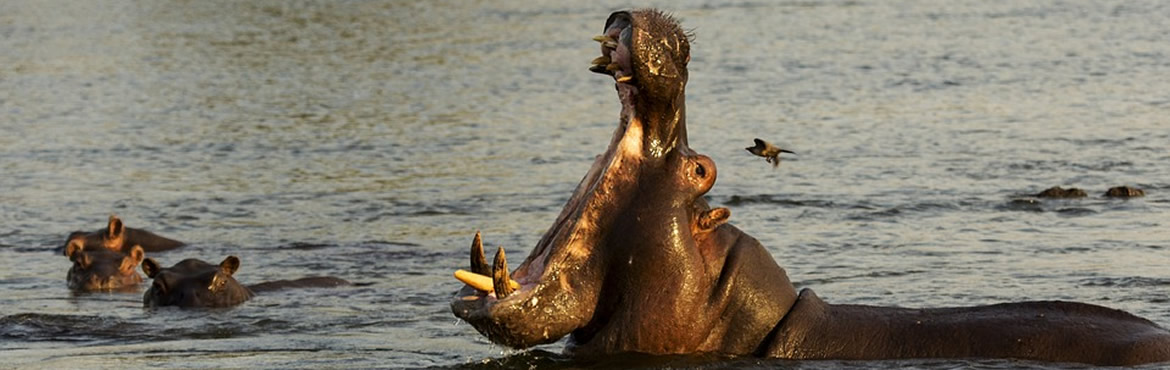
See More, Spend Less, Experience Everything
Visiting different destinations in Africa in one trip lets you combine the continent’s headline wildlife, historical, cultural and archaelogical events: The Great Migration in Masai Mara and Serengeti, Mountain gorilla trekking in either Rwanda or Uganda, the roaring Victoria Falls, the Okavango Delta, the amazing and timeless antiquities of Egypt, Ethiopia and Ghana.
All these in one seamless itinerary, often for less than booking two or more separate trips, at different times. Africa’s greatest spectacles do not respect national borders. Your itinerary shouldn’t either.
Here are Our Top 10 Africa Safari Trip packages that combine more than one African destination:
1. 7 Days Masai Mara (Kenya) and Serengeti (Tanzania) Safari
2. 10 Days Masai Mara (Kenya) + Serengeti and Ngorongoro ( Tanzania) Safari.
3. 12 Days Kenya and Seychelles Trip – Masai Mara and Mahe
4. 12 Days Egypt, Kenya ,Tanzania Tour – Pyramids, Nile Cruise, Serengeti, Ngorongoro
5. 12 Days Wings Over Kenya and Tanzania – (Fly In Safari)
6. 12 Days Uganda Gorillas, Kenya and Tanzania Big 5 Safari
7. 14 Days Kenya, Tanzania and Rwanda Safari –
8. 14 Days Masai Mara, Serengeti and Seychelles Package
9. 14 Days Victoria Falls, Masai Mara, Serengeti & Ngorongoro tour
10. 16 Days Egypt Pyramids, Masai Mara, Serengeti Africa Tour
But Why Visit More Than One African Destinations at once?
This is why: Africa is the only continent on Earth where you can witness all of the following in a single journey: In terms of wildlife – the Big Five (lion, leopard, elephant, buffalo, and rhino) in open savannah, endangered mountain gorillas in highland rainforest, 1.5 million wildebeest crossing a crocodile-filled river, and flamingos by the million on a Great Rift Valley lake. History of humanity, archaelogy and Culture that is found in Egypt and Ethiopia. Pristine, white sandy beaches – Seychelles, Mauritius, Zanzibar. No single country or continent offers all of this. That is the reason why.
Africa is the only place on Earth where you can witness the famous Big Five in their natural habitat — it is also home to over 2,500 bird species, making it a world-class destination for birdwatching.
Instead of exploring a single destination, travelers on a multi-country safari can experience different landscapes, wildlife habitats, and cultures in one journey. A well-planned itinerary allows visitors to move from the open plains of East Africa to river deltas, deserts, or coastal islands — depending on the route.
Five Main Arguments For Visiting Different African Destinations at once:
| REASON | WHAT IT MEANS IN PRACTICE |
|---|---|
| Follow seasonality | Time calving, river crossings, or dry-season waterholes across borders, catching each destination at its peak |
| Diversify ecosystems | Combine wetlands, deserts, savannahs, rainforests, and beaches in one trip |
| Mix activities | Gorilla trekking in Uganda, balloon safaris over the Mara, mokoro rides in Botswana, diving in Zanzibar |
| Smarter logistics | Regional flights, proven overland routes, and multi-entry visas make movement efficient |
| Better value | Focusing on 2 or 3 countries delivers depth, fewer transfers, and lower per-day costs than attempting to visit six countries in a rushed circuit |
Month by Month Guide for Wildlife Trips
| MONTH | LOCATION | KEY EVENT | BEST FOR |
|---|---|---|---|
| January – March | Southern Serengeti (Ndutu Plains), Tanzania | Calving season — 500,000+ calves born; intense predator action | Wildlife photographers, big cat sightings, families |
| April - May | Central & Western Serengeti, Tanzania | Northward trek; lush landscapes; fewer crowds | Budget-conscious travellers, off-peak value |
| June - July | Western Serengeti — Grumeti River | First major river crossings; Nile crocodile encounters | Adventurous travellers; documentary-style safaris |
| July - October | Northern Serengeti + Masai Mara, Kenya | Iconic Mara River crossings — peak predator action | First-time safari travellers, luxury safaris |
| November - December | Eastern & Southern Serengeti | Return south; short rains; quieter, great value | Photography, peaceful safaris |
Visa Requirements and Guidelines for different African Countries and Regions
East Africa Tourist Visa (EATV) — Kenya, Uganda & Rwanda
The East Africa Tourist Visa is a joint tourist visa that allows travel to Uganda, Kenya, and Rwanda for tourism purposes only. The fee is USD 100, valid for 90 days, and is multiple entry across the three partner countries. DCIC
The EATV is a multiple-entry visa — you can move freely between Kenya, Uganda, and Rwanda without reapplying or paying additional fees at each border. The application rule is absolute: you must apply through the country that serves as your first point of entry into the region.
| First Entry Country | Application Portal |
|---|---|
| Kenya | Kenya eCitizen Portal |
| Uganda | Uganda e-Visa Portal |
| Rwanda | Irembo Portal |
Note: Tanzania is not yet part of the EATV system. If your itinerary includes Tanzania, you will need a separate Tanzania visa (currently USD 50 for most nationalities, available online or on arrival).
KAZA UniVisa — Zimbabwe & Zambia
Travellers visiting Victoria Falls who wish to move between Zimbabwe and Zambia can obtain the KAZA UniVisa (USD 50), which grants multiple entries between both countries for 30 days. This is particularly useful for day trips from Livingstone (Zambia) to Victoria Falls town (Zimbabwe) and vice versa.
Visa Requirements : South Africa, Botswana & Namibia
Citizens of most Western countries (USA, UK, EU, Australia, Canada) currently enter South Africa, Botswana, and Namibia visa-free for 30–90 days. Always confirm current requirements with official government portals before travel, as entry regulations change.
Health & Vaccination Requirements for different African Regions
| Vaccination | Status | Countries Requiring Proof |
|---|---|---|
| Yellow Fever | Mandatory certificate | Uganda (all travellers), Kenya & Tanzania (if arriving from endemic country) |
| Malaria prophylaxis | Strongly recommended | All sub-Saharan Africa safari destinations |
| Hepatitis A & B | Recommended | All destinations |
| Typhoid | Recommended | All destinations |
| COVID-19 | Check current requirements | Varies by destination and nationality |
Consult a certified travel medicine clinic at least 6–8 weeks before departure. In the UK, the MASTA travel clinic network provides pre-travel consultations. In the USA, use the CDC Traveler’s Health portal.
What Can You Do on Africa Safaris?
Visiting different Africa Destinations allows you to mix activities across borders: For example walking safaris in Zambia, mokoro rides in Botswana, balloon safaris over the Mara or Serengeti, and gorilla trekking in Uganda or Rwanda.
Here is brief guideline to give you an idea:
| Activity | Best Destination(s) |
|---|---|
| Gorilla trekking | Uganda (Bwindi), Rwanda (Volcanoes NP) |
| Chimpanzee tracking | Uganda (Kibale, Budongo), Rwanda (Nyungwe) |
| Hot air balloon safari | Kenya (Masai Mara), Tanzania (Serengeti) |
| Walking safari | Zambia (South Luangwa), Tanzania (Selous/Nyerere), Zimbabwe (Mana Pools) |
| Mokoro (dugout canoe) safari | Botswana (Okavango Delta) |
| Boat safari / canoeing | Zambia (Lower Zambezi), Uganda (Murchison Falls) |
| Victoria Falls activities | Zimbabwe/Zambia (rafting, helicopter, bungee, sunset cruises) |
| Beach & marine | Zanzibar, Seychelles, Mauritius, Mozambique (Quirimbas Archipelago) |
| Big Five game drives | Kenya (Masai Mara), Tanzania (Serengeti, Ngorongoro), South Africa (Kruger), Rwanda (Akagera) |
| Night drives | Most private conservancies (not permitted in national parks) |
| Cultural immersion | Maasai villages (Kenya/Tanzania), Kigali Genocide Memorial (Rwanda), Zanzibar Stone Town |
| Mountain climbing | Mt. Kilimanjaro (Tanzania), Mt. Kenya, Mt. Rwenzori (Uganda) |
| Bird watching | Uganda (1,000+ species), Kenya (1,100+ species), Zambia (750+ species) |
How to Plan a Trip to more than one destination in Africa: Step-by-Step
Step 1 — Define Your Safari Goal
What is the one experience you cannot go home without? Gorilla trekking? Witnessing a Mara River crossing? Watching elephants in the Okavango? Let your anchor experience determine your primary destination, then build adjacent countries around it.
Step 2 — Match Your Goal to a Region
Eastern African safari destinations that combine well together are Rwanda, Uganda, Kenya, and Tanzania (including Zanzibar). For Southern Africa, South Africa, Botswana, Zimbabwe, Zambia, and Namibia form natural geographic circuits.
Step 3 — Align with Wildlife Seasons
The single biggest mistake travellers make is choosing dates without checking seasonal calendars. Different destinations have a peak season driven by rainfall and wildlife patterns:
- East Africa dry season (June–October): Best game viewing; peak Migration crossings
- East Africa calving season (January–March): Dramatic predator action in southern Serengeti
- Southern Africa dry season (May–October): Vegetation opens up; animals congregate at waterholes
Step 4 — Plan Your Routing Logic
Distances between parks can be significant, and many remote areas are only accessible by small aircraft or long overland drives. Border crossings may also require specific travel documents, so review visa requirements for each country on your itinerary.
Prioritise circuits that minimise backtracking. For East Africa, the standard routing is: Kigali (Rwanda) → Kampala/Bwindi (Uganda) → Nairobi (Kenya) → Kilimanjaro/Arusha (Tanzania) — this flows geographically and follows the EATV first-entry logic.
Step 5 — Book Permits & Peak-Season Lodges Early
Gorilla permits and prime migration-season camps at the Mara River must be secured 6–18 months in advance. Do not book flights before you have confirmed permit dates.
Step 6 — Work with an Africa-Based Expert
Safari planners act as matchmakers and project managers — not on-the-ground operators. The best safari company combines destination expertise, transparent pricing, tailored itineraries, and reliable in-country support to ensure your multi-country trip runs seamlessly.
Gorilla permits and prime migration-season camps at the Mara River must be secured 6–18 months in advance. Do not book flights before you have confirmed permit dates.
Why Book Your safaris to different African Destinations with us?
We are an Africa-based team, headquartered in Nairobi — not a distant call centre issuing generic packages. Every itinerary we design is:
- Custom-built around your anchor experience — not a fixed group departure
- Logistically stress-free — we handle cross-border permits, charter connections, and gorilla bookings as a unified service
- Seasonally timed — we won’t put you in the Masai Mara in April and miss the Migration
- Fully inclusive of park fees, permits, and transfers — no surprise add-ons at the border
Our team has on-the-ground relationships with lodges, park rangers, and charter operators across all 13+ destinations we serve — from Morocco to Madagascar, from Ethiopia to South Africa.
Destinations We Cover in Africa
East Africa: Kenya · Tanzania · Uganda · Rwanda · Ethiopia
Southern & Indian Ocean: South Africa · Botswana · Zambia · Zimbabwe · Madagascar · Seychelles