
Last Updated on April 22, 2026 by African Travel Hub Editorial
Rwanda Tours & Gorilla Safaris:
The Complete Expert Guide (2026–2027)
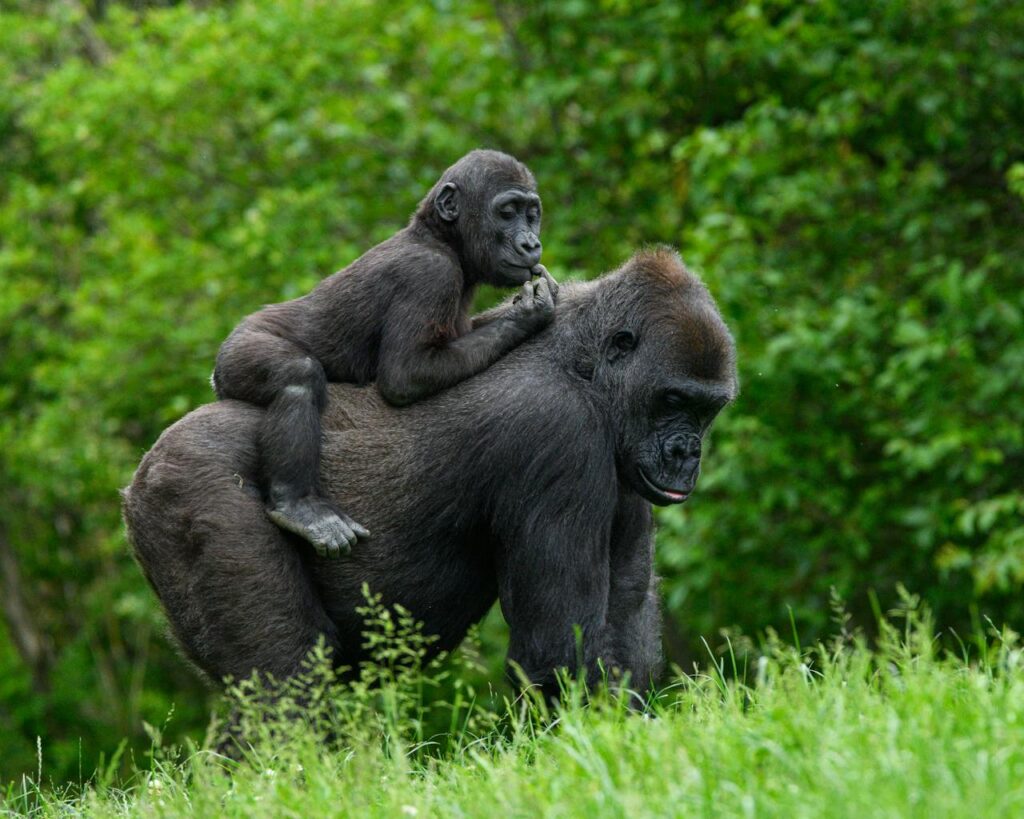
Rwanda is the world’s premier destination for mountain gorilla trekking — and one of Africa’s most compelling all-round safari destinations. Home to approximately one-third of the global mountain gorilla population, four national parks, over 700 bird species, and a remarkably efficient tourism infrastructure, Rwanda rewards visitors who plan carefully and book early. This guide covers everything you need to plan a successful Rwanda tour, from gorilla permit logistics to multi-country safari itineraries.
Why Visit Rwanda? The Short Answer
Rwanda is the fastest, most convenient, and most luxurious country from which to trek mountain gorillas. Volcanoes National Park — where all gorilla trekking takes place — is a smooth 2.5-hour drive from Kigali International Airport on fully paved roads. No charter flights, no muddy tracks, no multi-day overland journey required. For travellers with limited time or who want a premium experience, this accessibility is decisive.
Beyond gorillas, Rwanda packs a full safari agenda into a country the size of Belgium:
- Volcanoes National Park — mountain gorilla trekking, golden monkey tracking, Dian Fossey’s Karisoke Research Centre, and six-volcano hiking
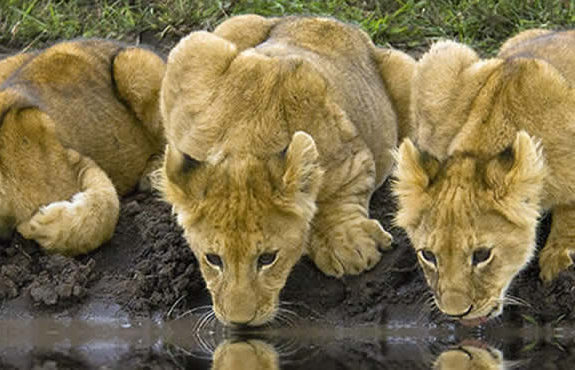
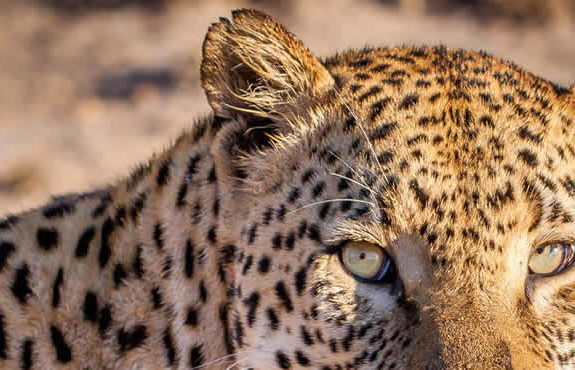
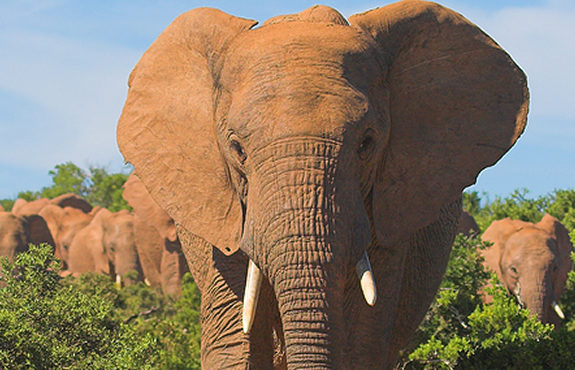
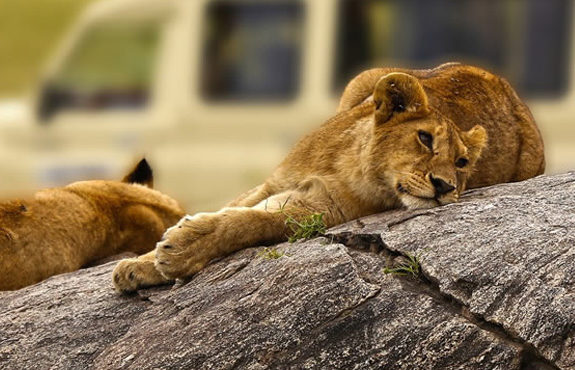
- Akagera National Park — Rwanda’s only Big Five park, with lions, leopards, elephants, buffalo, and white rhinos reintroduced since 2017
- Nyungwe Forest National Park — chimpanzee tracking, Africa’s highest canopy walkway, and 13 primate species
- Gishwati-Mukura National Park — Rwanda’s newest park, offering chimpanzee habituation and community conservation
- Lake Kivu — one of Africa’s Great Lakes, ideal for lake cruises, beach relaxation, and a base for the western circuit
- Kigali — a clean, safe, modern capital with the Kigali Genocide Memorial, vibrant arts scene, and excellent restaurants
Mountain Gorillas in Rwanda: The Core Facts
How Many Mountain Gorillas Exist?
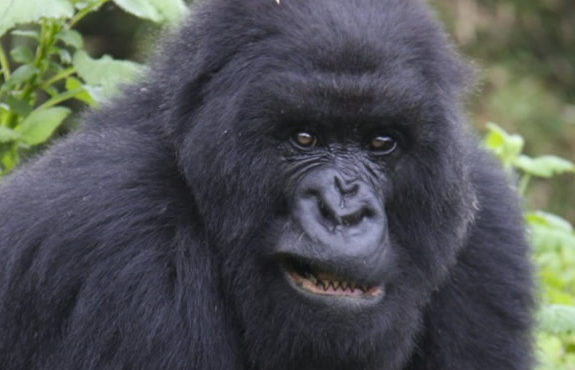
The most recent comprehensive census places the global mountain gorilla (Gorilla beringei beringei) population at 1,063 individuals — the highest number ever recorded. This figure combines 604 individuals documented in the Virunga Massif (shared by Rwanda, Uganda, and the DRC) and 459 in Uganda’s Bwindi-Sarambwe ecosystem. The Dian Fossey Gorilla Fund and the Greater Virunga Transboundary Collaboration (GVTC) conduct and verify these censuses. As recently as 1981, only 254 gorillas remained; the recovery to over 1,000 is one of conservation’s great success stories.
The IUCN Red List updated the species’ status from Critically Endangered to Endangered in 2018, reflecting this population rebound. Mountain gorillas remain the only great ape whose wild numbers are increasing, and they cannot survive in captivity — trekking them in the wild is the only way to encounter them.
Rwanda’s Gorilla Population
Volcanoes National Park shelters approximately 350 mountain gorillas divided among 12 fully habituated families open to visitors. These are: Susa, Sabyinyo, Amahoro, Agashya, Kwitonda, Umubano, Karisimbi, Hirwa, Ugenda, Bwenge, and Titus — each with their own silverback, hierarchy, and daily range within the park.
Gorilla habituation takes 2–3 years of daily human contact before a family tolerates visitors. Each family may receive a maximum of 8 visitors per day, for a strict one-hour encounter. This limit is enforced without exception by the Rwanda Development Board (RDB), the government agency that manages all wildlife tourism.
Gorilla Trekking in Rwanda: Everything You Need to Know
The Gorilla Trekking Permit
A gorilla trekking permit in Rwanda costs USD $1,500 per person for international travellers. This flat rate, set by the RDB and unchanged since 2017, applies regardless of nationality for non-African visitors. The permit grants:
- Access to Volcanoes National Park for one trek
- Assignment to a specific habituated gorilla family
- The services of professional RDB ranger-guides and porters
- Exactly one hour with the gorilla family in the wild
Our Featured Rwanda Tour Packages
2026 Promotional Rates (for eligible nationalities);
| CATEGORY | PERMIT PRICE |
|---|---|
| International Visitors | USD $1,500 |
| Africans & African Residents | USD $500 |
| East African Citizens & Rwanda Nationals | USD $200 |
Note: Promotional rates are unavailable during the peak season blackout (June–October 2026). Promotional permits must be booked at least one month in advance and require valid ID verification.
Only 96 permits are issued per day across 12 families (8 trekkers × 12 groups). Because of this strict cap, permits sell out months in advance — especially from June to September and December to February. Book 3–6 months ahead for peak season dates; 6–9 months ahead for luxury lodge/permit packages.
Permits can be secured directly through the RDB official website, or (more conveniently) through a licensed tour operator, who will also handle transport, accommodation, and logistics.
What Happens on a Gorilla Trek?
Trekking begins with a 6:00–7:00 AM briefing at Kinigi Park Headquarters, where guides assign groups to gorilla families based on fitness level, prior-day tracking reports, and group size preferences. Rules are explained: maintain a minimum 7-metre distance from the gorillas, no flash photography, no eating or drinking near the family, limit group noise, and leave immediately if directed by the ranger.
From Kinigi, vehicles drive 30–60 minutes to the designated trailhead, then trekking begins through bamboo forest, hagenia woodland, and volcanic slopes. Trek duration varies from 2 to 8 hours depending on where the family slept the night before — trackers set out at dawn to locate each group before visitors arrive.
Once the family is found, you receive one uninterrupted hour observing them at close range — infants playing, silverbacks feeding, juveniles chasing each other through the undergrowth. No zoo enclosure, no barrier. Just forest, mountain mist, and the most humbling wildlife encounter in Africa.
Physical requirements: Moderate fitness is sufficient for most families. Volcanic terrain is steep and can be slippery in wet conditions. Porters (hired at the trailhead for USD $15–20) carry gear, steady trekkers on difficult sections, and provide vital income to communities surrounding the park. Hiring a porter is strongly recommended.
Rwanda vs. Uganda: Which Country for Gorillas?
| FACTOR | RWANDA | UGANDA |
|---|---|---|
| Permit cost | USD $1,500 | USD $800 |
| Travel time from capital | 2.5 hrs (Kigali, paved road) | 8–9 hrs (Kampala) or bush flight |
| Luxury lodge options | Exceptional | Good |
| Park infrastructure | Excellent | Variable |
| Combined with other parks | Akagera, Nyungwe | Bwindi, Queen Elizabeth, Murchison |
| Trek difficulty | Easy to moderate | Moderate to challenging |
Rwanda costs more but offers far superior logistics and luxury. Uganda is better value for budget travellers and those who want a more rugged experience. Many visitors combine both — trekking gorillas in Rwanda and chimpanzees in Uganda on a 10–14 day East Africa itinerary.
Rwanda’s National Parks: Beyond the Gorillas
Volcanoes National Park
Location: Northwestern Rwanda, Musanze District — 2.5 hours from Kigali Elevation: 2,400m–4,507m (Mount Karisimbi) Size: 160 km²
The park protects six volcanoes of the Virunga Massif: Karisimbi, Bisoke, Muhabura, Gahinga, Sabyinyo, and Mgahinga. Beyond gorilla trekking, activities include:
- Golden monkey tracking (permit: ~$100) — tracking the rare and endangered golden monkey (Cercopithecus kandti), endemic to the Virunga Mountains
- Dian Fossey Karisoke hike — a 3–4 hour hike to the site of Fossey’s original research camp, now managed by the Dian Fossey Gorilla Fund, with interpretive displays and her grave
- Mount Bisoke crater hike — a full-day hike to the 3,711m summit and its stunning crater lake
- Mount Karisimbi summit trek — a challenging 2-day climb to Rwanda’s highest peak at 4,507m
- Twin Lakes (Burera & Ruhondo) — scenic lakes at the foot of the volcanoes, ideal for boat trips and birdwatching
Accommodation near Volcanoes NP: Options range from luxury eco-lodges to mid-range guesthouses. Top properties include Bisate Lodge (Wilderness Safaris), Singita Kwitonda Lodge, Sabyinyo Silverback Lodge, One&Only Gorillas Nest, Virunga Lodge, and Five Volcanoes Boutique Hotel.
Akagera National Park
Location: Eastern Rwanda, along the Tanzania border Size: 1,200 km² Status: Rwanda’s only Big Five safari park
Akagera is a conservation comeback story. Devastated after the 1994 genocide, the park was rehabilitated through a partnership between the RDB and African Parks. Lions were reintroduced in 2015, black rhinos in 2017, and cheetahs in 2022. Today Akagera supports:
- The Big Five: lion, leopard, elephant, buffalo, and black rhino
- Over 12,000 individual animals including hippos, Masai giraffes, zebras, topis, impalas, and crocodiles
- Lake Ihema: a magnificent Rift Valley lake with boat safaris offering intimate hippo and crocodile encounters
- 500+ bird species, making it one of East Africa’s top birding destinations
Game drives operate morning and afternoon. The park’s northeastern sector is the most productive for predators. A boat cruise on Lake Ihema at sunset is one of Rwanda’s most underrated experiences. Akagera is easily combined with Volcanoes NP on a 7–10 day Rwanda circuit.
Nyungwe Forest National Park
Location: Southwestern Rwanda, near the Burundi border Size: 1,019 km² Forest type: Montane rainforest — one of Africa’s oldest
Nyungwe is a biodiversity hotspot of global significance, hosting 13 primate species, 1,068 plant species, and over 300 bird species including numerous Albertine Rift endemics. Key activities include:
- Chimpanzee tracking (permit: $90 per person) — Rwanda’s most affordable primate experience; follow habituated chimp communities through cathedral-height forest
- Canopy walkway — a 160-metre suspension bridge suspended 70 metres above the forest floor, the highest canopy walkway in Africa, with panoramic views across the forest
- Colobus monkey tracking — groups of 400+ Angolan colobus monkeys make this one of the world’s largest colobus aggregations
- Waterfall hikes — the Kamiranzovu wetland trail and Isumo waterfall route are among the park’s best
- Birdwatching — 29 Albertine Rift endemic bird species, including the Ruwenzori turaco and Albertine owlet
Accommodation: One&Only Nyungwe House is the flagship luxury property, located on a working tea plantation at the park edge, with 22 rooms across six wooden villas. Mid-range options include Nyungwe Forest Lodge and Gisakura Guesthouse.
Gishwati-Mukura National Park
Rwanda’s fourth and newest national park, gazetted in 2015, Gishwati-Mukura connects a fragmented forest corridor in the northwest of the country. It is home to a small habituated chimpanzee community (trekking permits available), golden monkeys, and is central to Rwanda’s reforestation and community conservation agenda. Still being developed for tourism, it offers an off-the-beaten-path alternative to Rwanda’s better-known parks.
Best Time to Visit Rwanda
Rwanda has two dry seasons and two wet seasons. Unlike the Serengeti or the Masai Mara, gorilla trekking operates year-round — but trek conditions, trail difficulty, and photography quality vary significantly by month.
| SEASON | MONTHS | CONDITIONS | BEST FOR |
|---|---|---|---|
| Long dry season | June–September | Dry trails, best visibility | Gorilla trekking, Big Five safaris in Akagera |
| Short dry season | December–February | Dry with some cloud | Gorilla trekking, golden monkeys, hiking |
| Long rains | March–May | Wet, green, lush | Birdwatching, photography, fewer tourists |
| Short rains | October–November | Moderate rain | Birdwatching, budget travel |
Peak season (June–September) is the most popular — trails are drier and firmer, forest visibility is better, and photography is easier. This is also when gorilla permits are most difficult to secure and all lodge rates are at peak. Book permits and accommodation 6–9 months in advance for these months.
Shoulder season (December–February) offers excellent trekking with lower visitor volumes and slightly reduced rates.
Low season (March–May, October–November): Trails are wetter and muddier, but forests are spectacularly green and lush. Birding reaches its annual peak. Some lodges offer reduced-rate stays and the park feels more intimate with fewer visitors.
The Kwita Izina Gorilla Naming Ceremony is held annually in September — a national celebration with cultural performances, conservation talks, and the official naming of newly born gorillas. It is a highlight of Rwanda’s cultural calendar. See visitrwanda.com for dates and registration.
Rwanda Tour Itineraries: Sample Trip Structures
4–5 Days: Classic Gorilla Short Break
Best for: Travellers adding Rwanda to a Kenya/Tanzania safari; first-time visitors
- Day 1: Arrive Kigali, transfer to Musanze (Volcanoes NP)
- Day 2: Gorilla trekking
- Day 3: Optional golden monkey tracking or Karisoke hike; afternoon transfer to Kigali
- Day 4: Kigali city tour (Genocide Memorial, Kimironko Market, Inema Arts Centre)
- Day 5: Depart
7–8 Days: Rwanda Primates & Wildlife Circuit
Best for: Wildlife enthusiasts; first-time Rwanda visitors wanting a complete picture
- Days 1–2: Kigali arrival + exploration
- Days 3–4: Volcanoes NP — gorilla trekking and golden monkey tracking
- Days 5–6: Nyungwe Forest — chimpanzee trekking and canopy walkway
- Day 7: Lake Kivu (Gisenyi or Kibuye) for relaxation and a boat cruise
- Day 8: Return to Kigali and depart
10–14 Days: Rwanda + Kenya (or Tanzania) Combination
Best for: Travellers wanting gorillas combined with classic African wildlife
- Fly into Nairobi (or Kilimanjaro for Tanzania)
- 4–5 days: Masai Mara (Kenya) or Serengeti/Ngorongoro (Tanzania)
- Fly or overland to Kigali
- 2 days: Volcanoes NP gorilla trekking + golden monkeys
- Optional: Akagera NP for Big Five game drives
- Depart via Kigali
See our curated tour packages below for fully costed itineraries across all budget levels.
Getting to Rwanda & In-Country Travel
International flights: RwandAir operates direct and one-stop flights from London, Brussels, Dubai, Johannesburg, Nairobi, and major African hubs into Kigali International Airport (KGL). Ethiopian Airlines, Kenya Airways, Brussels Airlines, and Qatar Airways also serve Kigali. Kigali is the most connected hub in Central Africa.
Kigali to Volcanoes NP: Approximately 115km on fully paved roads — 2 to 2.5 hours by road. Charter helicopter transfers are available for luxury travellers via Akagera Aviation.
Kigali to Akagera NP: Approximately 100km east — 2 to 2.5 hours by road.
Kigali to Nyungwe Forest NP: Approximately 225km south — 4 to 5 hours by road through Rwanda’s stunning hill scenery.
Visas: Citizens of most African Union member states, Germany, the UK (visa-free since 2024), Sweden, and the USA (90-day visa on arrival) may enter without a prior visa. For all other nationalities, Rwanda’s e-visa system is simple, fast, and processed at irembo.gov.rw. Always confirm current requirements with the Rwanda High Commission before travel.
Health, Safety & Practical Information
Safety: Rwanda consistently ranks as one of Africa’s safest countries for tourists. Kigali is regularly cited as one of the cleanest and most orderly capitals on the continent. Street crime is low. The government takes tourism infrastructure and visitor safety seriously. Note: The US Department of State advises increased caution within 10km of the DRC border in Rubavu and Rusizi districts due to nearby regional instability. This does not affect Volcanoes NP or Kigali.
Health:
- Yellow fever vaccination is required for all arrivals
- Malaria prophylaxis is recommended (malaria risk is lower at altitude but present at lower elevations including Akagera)
- COVID protocols: Check current requirements at visitrwanda.com
- Gorilla trekking rules require you to stay home if you have a respiratory illness, cold, or fever — gorillas share ~98% of human DNA and are highly susceptible to human diseases
Currency: Rwandan Franc (RWF). USD is widely accepted at lodges, tour operators, and major restaurants. ATMs dispensing RWF and USD are available throughout Kigali and in Musanze (gateway to Volcanoes NP).
Altitude: Volcanoes National Park trekking ranges from 2,400m to over 3,000m. The altitude contributes to cooler temperatures (5–15°C in forest zones) and can cause mild breathlessness. Allow a day of rest after arriving in Rwanda before trekking if flying from sea level.
What to pack for gorilla trekking:
- Long-sleeved shirts and long trousers (protects against stinging nettles and insects)
- Waterproof hiking boots with ankle support
- Rain jacket or poncho
- Garden gloves (for grabbing thorny vines during steep ascents)
- Trekking poles (available for hire at park headquarters)
- Insect repellent
- Snacks and at least 1.5L of water
- Camera with no flash
Conservation: How Your Visit Funds Gorilla Protection
Revenue from gorilla permits is central to Rwanda’s conservation model. The RDB directs a portion of permit income to the Revenue Sharing Programme, which funds community health centres, schools, and infrastructure in villages surrounding Volcanoes National Park. This model — making local communities direct financial beneficiaries of gorilla protection — is a key reason poaching has been effectively eliminated in Rwanda.
The Dian Fossey Gorilla Fund maintains its Karisoke Research Centre inside Volcanoes National Park, conducting ongoing behavioural and health monitoring of every habituated gorilla family. The International Gorilla Conservation Programme (IGCP) — a coalition of the African Wildlife Foundation, Fauna & Flora International, and WWF — coordinates transboundary conservation across Rwanda, Uganda, and the DRC.
Gorilla Doctors, a veterinary programme funded partly by trekking revenue, provides direct medical care to injured or ill wild gorillas — an extraordinary intervention that has saved multiple lives and contributed directly to population growth.
Our Rwanda Safari Packages
We design every Rwanda itinerary around your travel dates, fitness level, and budget. All packages include guaranteed gorilla permits (secured at the time of booking), private transport, and hand-picked accommodation at every price point — from comfortable guesthouses to the finest luxury eco-lodges in East Africa.
Featured Rwanda Tour Packages:
- 10 Days Kenya Safari and Rwanda Gorillas — Masai Mara wildlife + Volcanoes NP gorilla trek | From $5,332/person
- 10 Days Rwanda Gorillas and Tanzania Safari — Gorilla trekking + Serengeti/Ngorongoro | From $6,744/person
- 12 Days Kenya Elephant Safari, Big Cats and Rwanda Gorillas — Amboseli elephants + Masai Mara + gorillas | From $6,510/person
- 14 Days Kenya Tanzania Rwanda Highlights: Big Five and Gorillas — The ultimate East Africa combination | From $7,220/person
- 14 Days Rwanda Gorillas–Serengeti–Zanzibar — Gorillas, wildebeest, and Indian Ocean beaches | From $7,780/person
- 16 Days Victoria Falls–Masai Mara–Serengeti–Gorillas — Southern and East Africa’s greatest hits | From $9,326/person
Ready to plan your Rwanda gorilla safari? Contact our team to check gorilla permit availability for your preferred dates and receive a detailed, no-obligation itinerary proposal.
Frequently Asked Questions
Q: How fit do I need to be for gorilla trekking? Moderate fitness is sufficient. Treks range from 2 to 8 hours. The terrain is steep and can be slippery. A porter (hired at the trailhead for $15–20) is strongly recommended — they carry bags, provide physical support, and the fee directly supports local communities.
Q: What is the minimum age for gorilla trekking in Rwanda? The RDB minimum age is 15 years. Children under 15 are not permitted in the forest with gorilla families.
Q: Can I go gorilla trekking in the rain? Yes. Treks proceed in all weather conditions. The forest is cooler and more atmospheric during and after rain. Pack a waterproof jacket and waterproof bag cover.
Q: How far in advance should I book? For peak season (June–September), book permits and accommodation 6–9 months in advance. For the short dry season (December–February), 3–4 months. Last-minute permits are occasionally available but should not be relied upon.
Q: Can I trek gorillas more than once? Yes. Each trek requires a separate $1,500 permit. Many visitors combine gorilla trekking on Day 1 with golden monkey tracking on Day 2 for a complete primate experience.
Q: Is Rwanda safe to visit in 2026? Rwanda is consistently ranked as one of Africa’s safest and most stable countries. The 2026 travel advisory from UK FCDO and the US State Department rates Rwanda as standard tourist advisory (exercise normal precautions for most of the country). The 10km DRC border zone restriction does not affect Volcanoes National Park.