
Last Updated on September 24, 2026 by African Travel Hub Editorial
Zambia Safari Tours
Guide For 2026 – 2027 Packages
Zambia is Africa’s premier destination for authentic, uncrowded wildlife safaris — combining the world’s largest waterfall, Africa’s best walking safaris, and remote bush camps that sleep under canvas beside permanent rivers teeming with hippos and crocodiles.
Zambia covers 752,618 km² of southern-central Africa and protects approximately 30% of its territory within national parks and game management areas — one of the highest conservation ratios on the continent. With a human population density of just 23 people per km², Zambia’s wilderness areas remain genuinely wild, delivering the raw, immersive safari experience that East Africa’s busier circuits can no longer guarantee.
Why Zambia Outperforms More Visited Safari Destinations
Zambia’s national parks impose strict visitor limits per concession, ensuring that your game drive never degenerates into a traffic jam of vehicles around a lion kill. South Luangwa National Park, widely regarded as Africa’s greatest wildlife sanctuary, hosts fewer than 100 beds in the entire park. Compared to Kenya’s Maasai Mara or Tanzania’s Serengeti — where hundreds of vehicles can converge on a single sighting — Zambia offers a fundamentally different and more exclusive experience.
- Lower visitor density: Most Zambian parks see fewer than 10,000 tourists annually, versus 250,000+ in the Maasai Mara region.
- Night drives permitted: Unlike most East African parks, all Zambian national parks allow after-dark game drives, dramatically increasing leopard, serval, civets, and nocturnal bird sightings.
- Walking safari heritage: Zambia invented the commercial walking safari in 1950 when Norman Carr pioneered the concept in South Luangwa — it remains the gold standard globally.
- Permanent water year-round: The Luangwa, Zambezi, and Kafue rivers never dry up, concentrating wildlife predictably throughout the year.
Zambia’s Key National Parks: Where to Safari and Why
South Luangwa National Park — Premier Big Cat and Walking Safari Destination
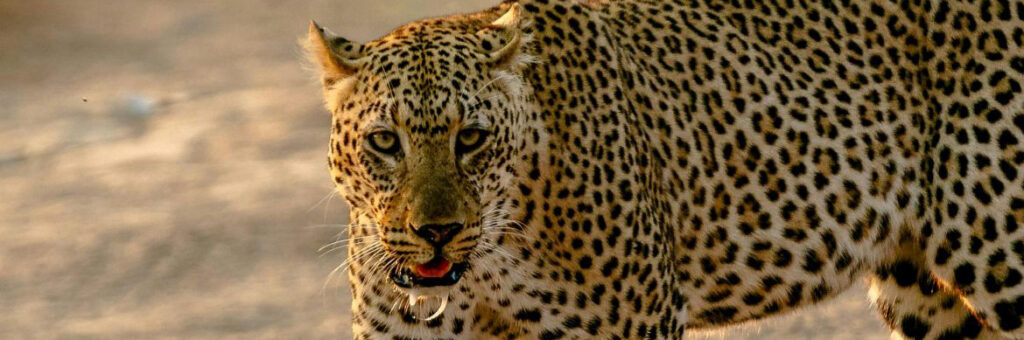
South Luangwa covers 9,050 km² in the Luangwa Valley and supports one of Africa’s densest concentrations of leopards — the park is known internationally as ‘the Valley of the Leopard.’ It also holds exceptional populations of Thornicroft’s giraffe (endemic to the Luangwa Valley), Cookson’s wildebeest (another local endemic), and over 400 bird species. The Luangwa River oxbows create extraordinary wildlife theatre, with pods of 50–100 hippos sharing banks with thousands of buffalo and elephant herds.
- Best months: June to October (dry season) for maximum game concentration; November to April for walking safaris in emerald-green bush with outstanding bird life.
- Walking safaris: Multi-day fly camps along the Luangwa with armed, ZAWA-certified walking guides are the park’s signature experience.
Lower Zambezi National Park — River Safari and Canoeing
Flanking the Zambezi River opposite Zimbabwe’s Mana Pools National Park (UNESCO World Heritage Site), the Lower Zambezi covers 4,092 km² and specialises in canoe safaris. Paddling silently past elephant drinking at the river’s edge while hippos surface metres away is a quintessential experience unavailable anywhere else in Africa at this quality level. The park also supports large elephant herds, lion prides, and outstanding tiger fish angling on the Zambezi.
- Best months: May to October when the Zambezi drops and wildlife concentrates on the riverbanks.
- Signature activity: Guided canoe trails lasting 2–5 days with fly-camping on sand islands.
Kafue National Park — Zambia’s Largest and Most Diverse
At 22,400 km², Kafue is one of Africa’s largest national parks and arguably its most diverse. The Busanga Plains in the north flood seasonally, creating a Botswana-Okavango-style environment that supports massive lechwe, red lechwe, and sitatunga herds, alongside lion prides that hunt from the floodplains year-round. Cheetah sightings in Kafue are significantly more reliable than in South Luangwa. The park receives fewer than 5,000 visitors annually, making every game drive feel genuinely remote.
Liuwa Plain National Park — Africa’s Most Underrated Migration
Liuwa Plain hosts Africa’s second-largest wildebeest migration (approximately 30,000 animals), yet receives a fraction of the attention given to the Serengeti. Managed jointly by African Parks and the Lozi Royal Establishment, Liuwa has undergone dramatic wildlife recovery since 2003, including the reintroduction of cheetah and wild dog. Access requires a light aircraft or 4WD with high clearance; this is advanced, exploratory safari travel.
Victoria Falls: Facts, Activities, and Logistics
Victoria Falls — known locally as Mosi-oa-Tunya, ‘The Smoke That Thunders’ — is the world’s largest waterfall by combined width and height, measuring 1,708 metres wide and 108 metres tall. The falls straddle the Zambia–Zimbabwe border; Livingstone (Zambia) provides access to the eastern and northern viewpoints, while Victoria Falls town (Zimbabwe) covers the full southern panorama. Most itineraries combine viewpoints from both sides.
- Peak flow: February to May when the Zambezi carries full volume — spray rises over 400 metres, often obscuring the falls themselves.
- Optimal viewing: August to January for clear sightlines and the famous ‘Devil’s Pool’ natural infinity pool at the falls’ edge (accessible August to mid-January).
- Adrenalin activities: White-water rafting Grade 5 rapids (October to July), bungee jumping from the 111-metre Victoria Falls Bridge, microlighting over the falls, sunset Zambezi cruises, and helicopter flights.
- Accommodation: The Zambian side (Livingstone) offers lodges on the Zambezi riverbank from budget guesthouses to luxury properties — a clear advantage over the Zimbabwe side for sunrise and sunset wildlife encounters.
Best Time to Visit Zambia: Month-by-Month Summary
- May–October (Dry Season): Best for game viewing, walking safaris, and Victoria Falls activity. Wildlife concentrates around permanent water. Nights can drop to 8°C in June–July.
- November–April (Green Season): Lower rates (often 30–40% discount), exceptional birding (over 200 migratory species arrive), lush landscapes, and dramatic afternoon thunderstorms. Some remote camps close.
- June–August: Peak season with optimal conditions across all parks; book 10–12 months in advance for top camps.
Practical Travel Information
- Visa: Most nationalities require a visa — available on arrival (USD 50 single entry) or as a KAZA UniVisa (USD 50, covering Zambia and Zimbabwe, ideal for Victoria Falls itineraries).
- Entry airports: Kenneth Kaunda International Airport (Lusaka) for connections to all parks; Harry Mwanga Nkumbula Airport (Livingstone) for direct Victoria Falls access.
- Health: Yellow fever vaccination required if arriving from an endemic country. Malaria prophylaxis essential for all park areas. Zambia is a low-altitude country; no altitude acclimatisation needed.
- Currency: Zambian Kwacha (ZMW); USD widely accepted in safari camps and tourist areas.
- Mobile connectivity: Airtel and MTN cover Livingstone and major towns; safari camps deliberately limit connectivity — this is part of the experience. Here is a dedicated page with all the Travel Information for those traveling to Zambia.
Plan Your Zambia Safari with African Travel Hub
African Travel Hub specialises in bespoke Zambia itineraries combining South Luangwa, Lower Zambezi, and Victoria Falls — with expert guidance on camp selection, seasonal timing, and regional flight logistics. Contact our consultants for a tailored itinerary and competitive pricing.
We work with a curated network of owner-run camps and ZAWA-accredited guides, ensuring every element of your safari meets the highest standards of wildlife expertise, sustainability, and comfort. Request a quote today via africantravelhub.com or call our toll-free lines: USA & Canada: 1 888 885 4580 | UK: 0 800 051 4252.