
Last Updated on April 18, 2026 by African Travel Hub Editorial
Tanzania Safaris & Tours 2026 – 2027
The Expert Guide to Planning Your Safari
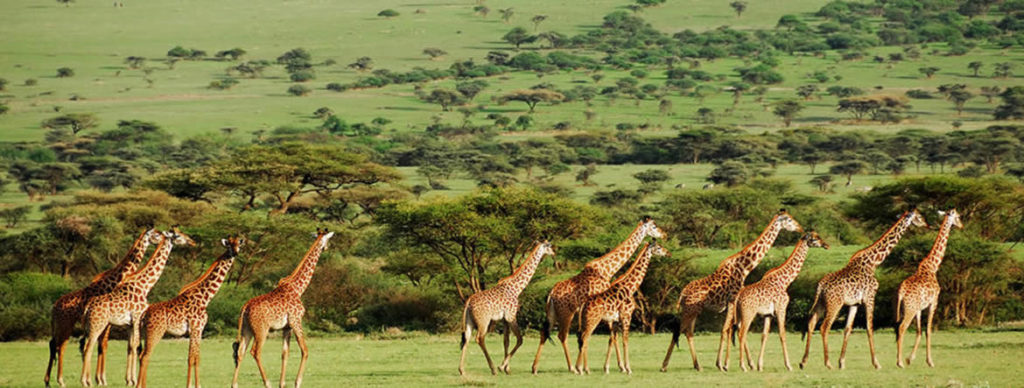
Tanzania is Africa’s premier safari destination. It protects nearly 25% of its landmass — roughly 364,000 km² — across 22 national parks, 29 game reserves, and numerous conservation areas. It hosts the world’s largest overland animal migration, the deepest intact volcanic caldera, and Africa’s highest mountain. For first-time and returning safari travellers alike, Tanzania delivers unmatched wildlife density, habitat diversity, and the option to combine game drives with Indian Ocean beach extensions.
Tanzania’s Northern Safari Circuit: Park-by-Park Breakdown
The Northern Circuit, accessed via Arusha (served by Kilimanjaro International Airport, JRO), concentrates Tanzania’s most visited parks within a compact 400-km radius. A well-planned 8–10 day itinerary covers all key parks without feeling rushed.
Tarangire National Park
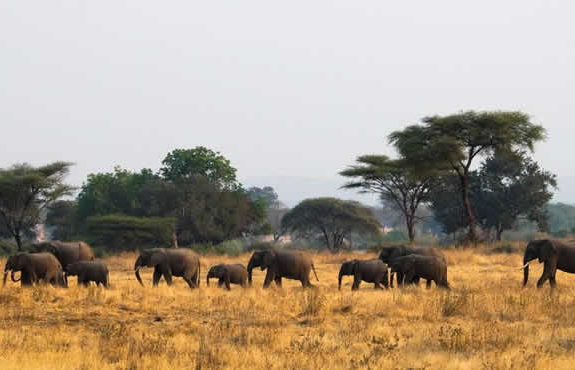
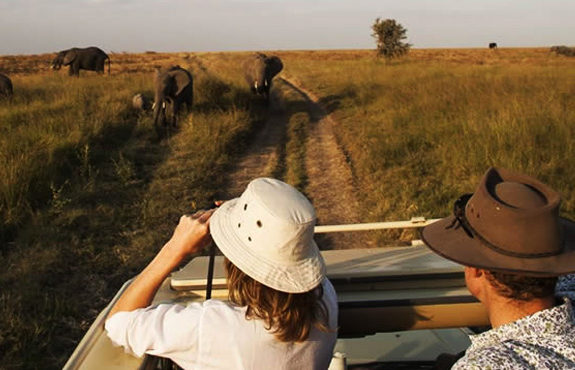
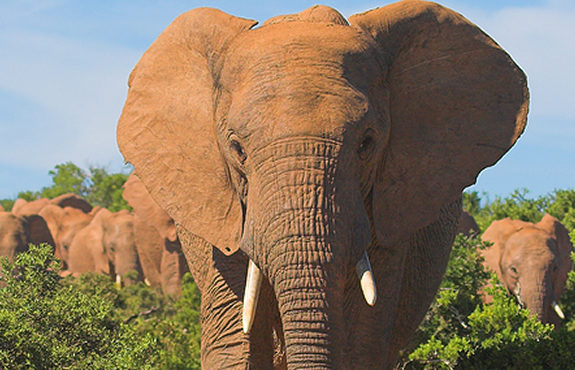
Size: 2,850 km². Tarangire is the Northern Circuit’s best-kept secret, particularly outstanding from June through October when the Tarangire River becomes the only water source in the region, drawing the largest elephant herds in northern Tanzania — routinely 300+ animals per sighting. The park holds Africa’s second-largest elephant population after Botswana’s Chobe. Its ancient baobab trees (some over 1,000 years old) provide striking photographic compositions rarely found elsewhere.
Lake Manyara National Park
Size: 648 km² (water: 230 km²). Lake Manyara records over 400 bird species, making it one of East Africa’s finest avian destinations. The park is the only confirmed site in northern Tanzania for tree-climbing lions — a unique behaviour observed in the fever tree forests along the lakeshore. In season, up to 1 million lesser flamingoes wade the shallow soda waters, producing one of Africa’s most photographed wildlife scenes.
Ngorongoro Conservation Area & Crater
The Ngorongoro Crater is the world’s largest intact and unflooded volcanic caldera, measuring 19 km across and 600 m deep, covering 260 km². Approximately 25,000–30,000 large mammals reside permanently within the crater, including one of Tanzania’s last viable black rhino populations (approximately 26 individuals as of 2024). Because the crater walls contain most wildlife year-round, game viewing success rates here are consistently above 95%, regardless of the season.
Serengeti National Park
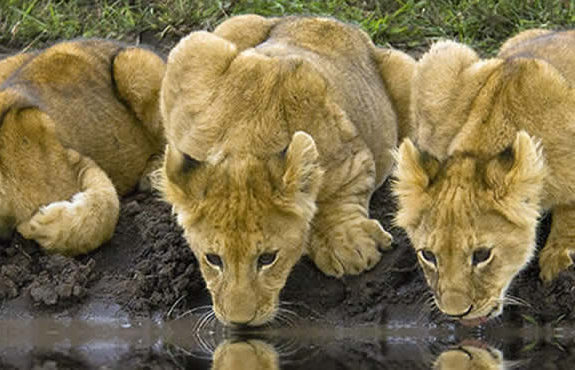
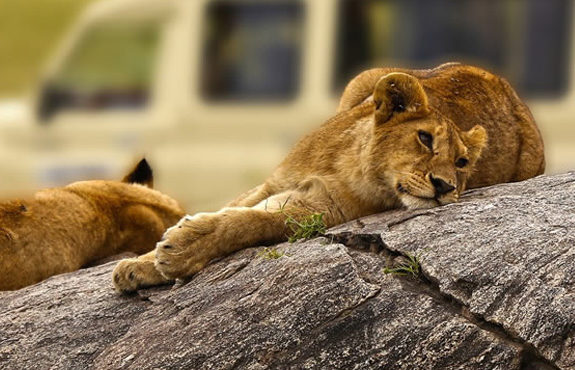
Size: 14,763 km². The Serengeti is Tanzania’s largest and most celebrated park. Beyond the Migration, it maintains the highest lion population of any protected area in Africa — estimated at over 3,000 individuals. The park is divided into distinct zones: the Seronera Valley (south) for year-round predator action; the Western Corridor for Migration river crossings at the Grumeti River (June–July); and the Northern Serengeti near the Mara River for peak Mara River crossings (August–October). Calving season in the Southern Serengeti (January–February) is arguably the most dramatic wildlife spectacle Tanzania offers, with up to 8,000 calves born daily.
Tanzania’s Southern Circuit: Selous & Ruaha
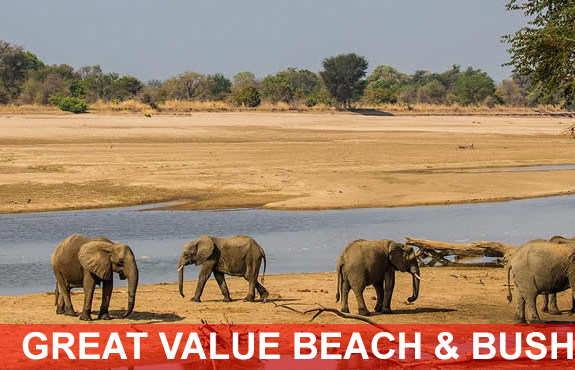
The southern parks remain significantly less visited than the north, offering a genuinely remote and exclusive safari experience. Nyerere National Park (formerly the Selous Game Reserve) covers 54,600 km² — the largest protected wildlife area in Africa, larger than Switzerland — and is a UNESCO World Heritage Site. It holds the world’s highest concentration of elephants, estimated at 70,000+, as well as large hippo and crocodile populations along the Rufiji River. Boat safaris and walking safaris are permitted here, adding dimensions unavailable in northern Tanzania. Ruaha National Park (20,226 km²) is Tanzania’s second-largest park, and offers exceptional big cat sightings with a particularly high leopard density.
Zanzibar: The Ideal Safari Extension
A short 25-minute flight from Dar es Salaam, Zanzibar Island (Unguja) is the definitive Tanzania beach extension. Stone Town, Zanzibar’s historic core, is a UNESCO World Heritage Site and a living museum of Swahili, Arabic, Indian, and Portuguese cultural fusion. The east coast beaches — Nungwi, Kendwa, Paje — offer white-sand shorelines, turquoise Indian Ocean water, and world-class snorkelling and scuba diving on the Mnemba Atoll Marine Reserve, which hosts sea turtles, reef sharks, and over 400 fish species. A 3–4 night Zanzibar stay rounds out any safari itinerary perfectly.
Inspirational Holidays to Tanzania 2026 – 2027
Best Time to Visit Tanzania: Month-by-Month
| Season | Period | Key Highlight |
|---|---|---|
| Peak Dry Season | June - October | Best game viewing; Migration river crossings (Aug–Oct); minimal rain |
| Short Dry Season | January - February | Wildebeest calving in S. Serengeti; lower prices; fewer crowds |
| Green Wet Season | March - May | Long rains; lush landscapes; best bird photography; significant discounts |
| Short Rains | November - December | Migration moves south; good photography light; shoulder pricing |
Why Tanzania Ranks as Africa’s Top Safari Country
Tanzania holds the following hard facts that justify its status at the top of every serious safari shortlist:
- Sheer protected area: 38% of Tanzania’s total surface area carries some form of wildlife protection — the highest proportion of any country on the African continent.
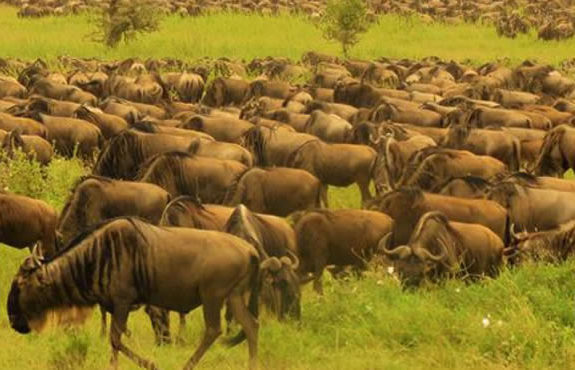
- The Great Wildebeest Migration: Approximately 1.5 million wildebeest, 350,000 zebra, and 500,000 Thomson’s gazelle complete a 1,800-km annual circuit between Tanzania’s Serengeti and Kenya’s Masai Mara — the largest terrestrial mammal migration on Earth.
- Big Five reliability: Lion, leopard, elephant, buffalo, and black rhino are all present in the Northern Circuit. The Ngorongoro Crater holds one of Africa’s highest concentrations of lion, with an estimated 68–70 resident individuals per 260 km².
- Altitude range: From sea level at Zanzibar to 5,895 m at Mount Kilimanjaro’s Uhuru Peak — Africa’s highest summit — Tanzania offers one destination that spans beach, savannah, highland forest, and alpine terrain.
- UNESCO heritage: Tanzania holds three UNESCO World Heritage Sites relevant to travel: Serengeti National Park, Ngorongoro Conservation Area, and the Stone Town of Zanzibar.
Tanzania Safari Packages: What to Expect
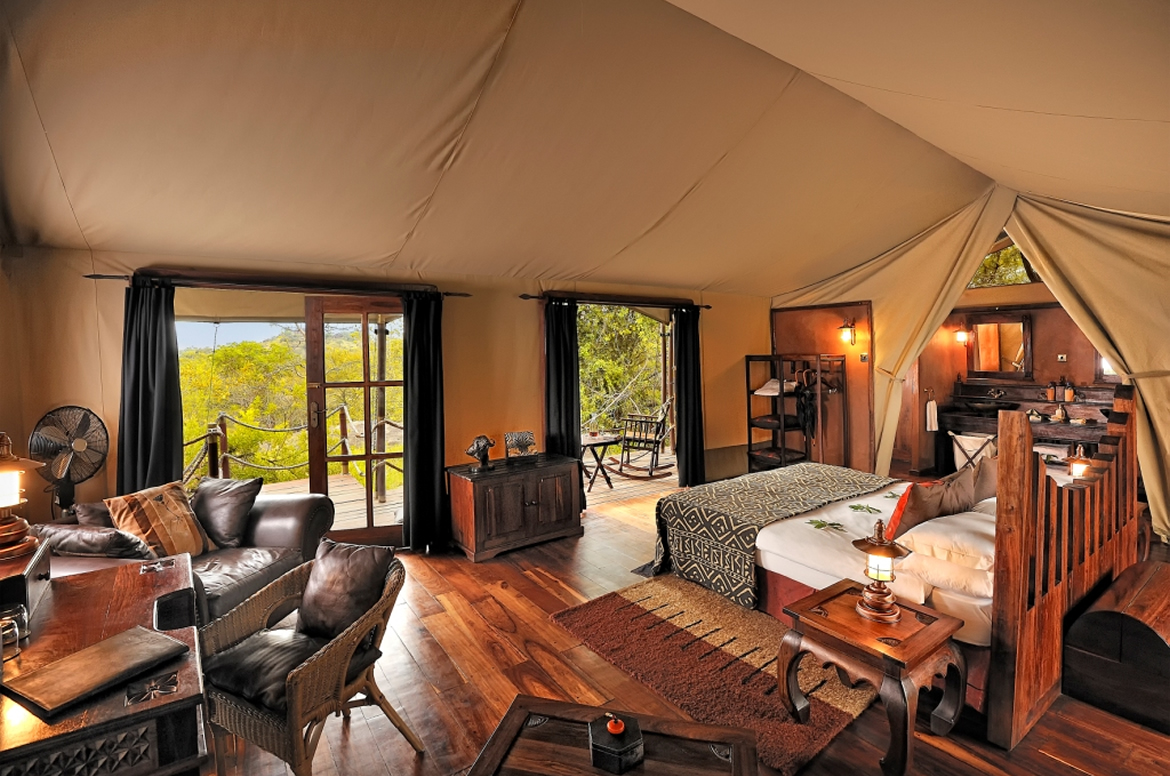
African Travel Hub offers Tanzania safari packages from 8 to 16 days, covering every budget tier from camping safaris to ultra-luxury lodge stays. Entry-level 8-day Northern Tanzania Classic Safaris are priced from $3,528 per person, while 10-day luxury itineraries combining the Serengeti, Ngorongoro, and Zanzibar are available from $11,910 per person. All packages include private game drives in custom 4WD safari vehicles with pop-up roof hatches, English-speaking professional guides, park fees, and accommodation. Key package categories include:
- Northern Circuit Classic (8–10 days, from $3,528): Tarangire, Lake Manyara, Ngorongoro Crater, Serengeti. Ideal for first-time visitors.
- Southern Tanzania Wildlife Safari (10 days, from $4,260): Nyerere (Selous) + Ruaha. Best for off-the-beaten-path travellers seeking exclusivity.
- Bush & Beach — Safari + Zanzibar (12 days, from $5,233): Northern Circuit combined with 3–4 nights Zanzibar. The most popular Tanzania itinerary.
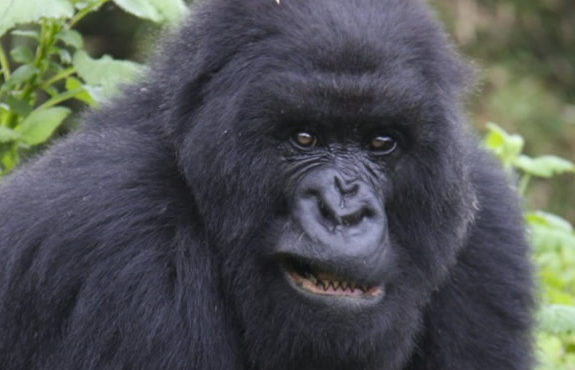
- Multi-Country Combinations (14–16 days, from $7,220): Tanzania + Kenya Masai Mara, or Tanzania + Rwanda gorilla trekking. For travellers maximising one long-haul trip.
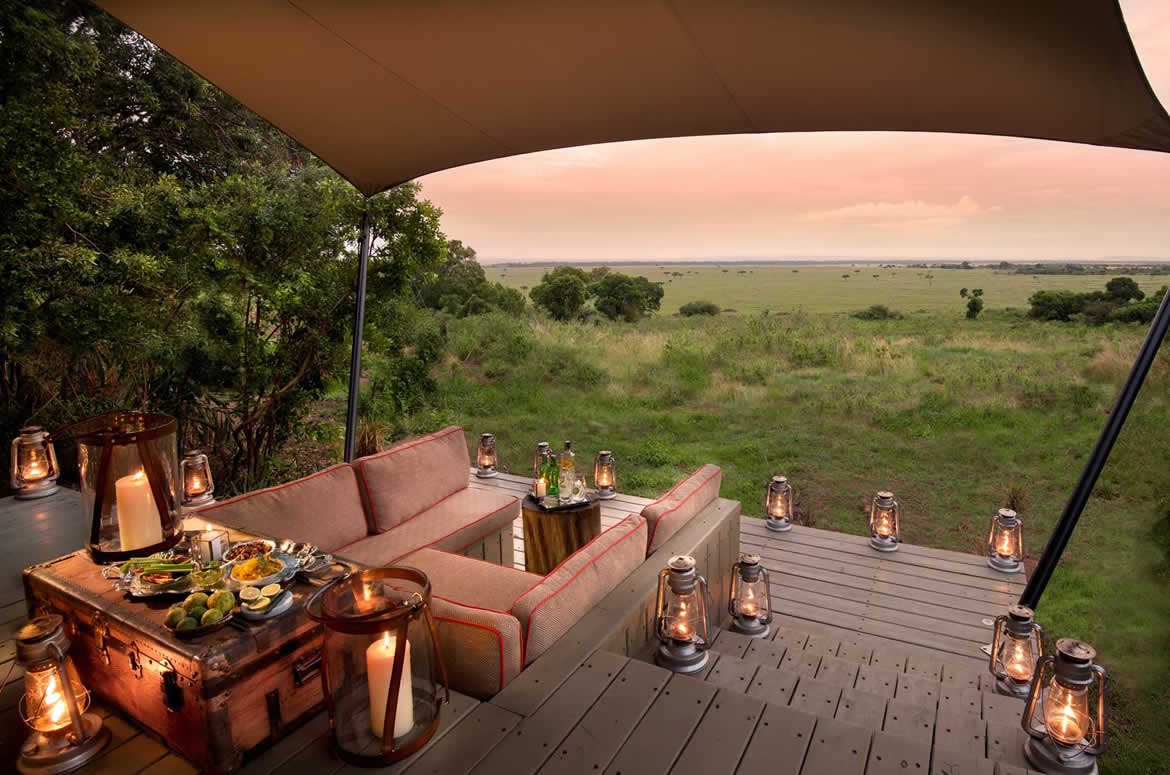
- Luxury Tanzania (10 days, from $11,910): Private tented camps, fly-in transfers between parks, exclusive sundowner experiences.
Plan Your Tanzania Safari with African Travel Hub
African Travel Hub is a Kenya-based, specialist East Africa safari operator with over 20 years of Tanzania trip-planning experience. Every Tanzania itinerary is fully customisable — safari style (camping, mid-range lodge, or luxury), duration, group size, activity preferences (game drives, walking, boat safaris, Kilimanjaro climbs), and beach extension length. Our consultants provide a single, accountable point of contact from enquiry through to post-safari debrief. We hold memberships with ATTA (African Travel and Tourism Association) and operate to IATA-accredited standards. All Tanzania safaris are operated in partnership with Tanzania National Parks Authority (TANAPA) and the Ngorongoro Conservation Area Authority (NCAA) permitted guides.
Contact us: +1 888 885 4580 (USA & Canada toll-free) | +44 800 051 4252 (UK toll-free) | +254 795 891 706 (Kenya) | info@africantravelhub.com
African Travel Hub | Tanzania Safari Specialists | africantravelhub.com/tanzania-tours