
Last Updated on April 25, 2026 by African Travel Hub Editorial
Madagascar Tours & Holidays:
The Complete Expert Guide | 2026 – 2027
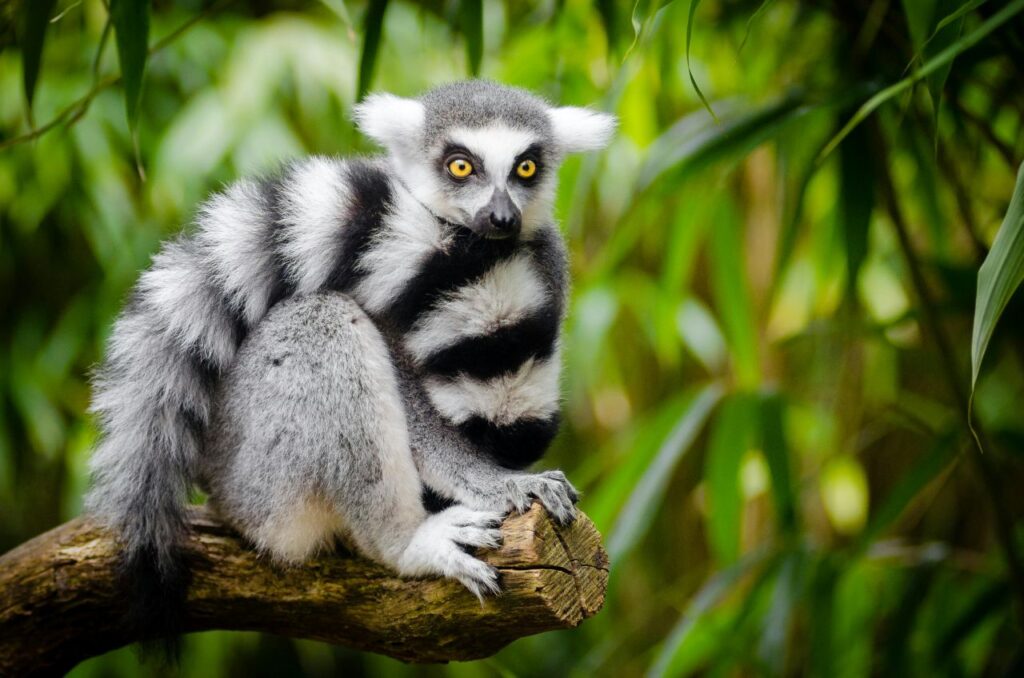
Madagascar Is Unlike Any Other Destination on Earth — Here’s Why
Madagascar is not simply a African island holiday. It is the closest thing our planet has to a parallel evolutionary universe. Separated from the African continent approximately 88 million years ago — and from India around 80 million years ago — this island spent tens of millions of years in biological isolation. The result is a country where more than 90% of all wildlife is found nowhere else on Earth, earning it the nickname “the Eighth Continent” from conservation scientists at Conservation International and WWF.
It is the world’s fourth-largest island, covering 587,041 km² and stretching over 1,600 km from north to south across five distinct climate zones. For travellers, that means you can move from tropical rainforest to high plateau to desert spiny forest to white-sand coast — all within a single itinerary.
Holiday Packages to Madagascar
The Biodiversity Numbers: What Makes Madagascar Scientifically Extraordinary
The following figures are drawn from peer-reviewed research published in Science (Antonelli et al., 2022) and from the Convention on Biological Diversity country profile:
- 12,000+ species of vascular plants — 96% endemic
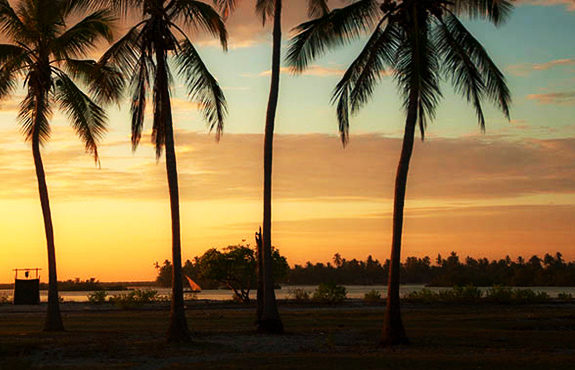
- 194 species of palms — 97% endemic (3× as many as all of mainland Africa combined)
- 1,000 species of orchids — 85% endemic
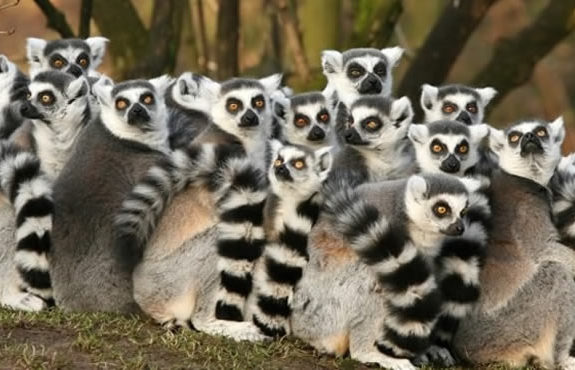
- 104 species and subspecies of lemurs — 100% endemic; currently the most endangered mammal group on the planet, with over 98% of species threatened with extinction
- 278 species of amphibians — 100% endemic
- 389 species of reptiles — 90% endemic, including two-thirds of the world’s chameleon species
- 282 species of birds — 37% endemic
- Over 300 species of birds total, of which more than 60% are endemic at family or genus level
In 2021, scientists discovered Brookesia nana in Madagascar — the smallest reptile ever recorded on Earth, a nano-chameleon measuring just 13.5mm. Discoveries like this are still being made regularly, making Madagascar one of the most scientifically exciting destinations a nature traveller can visit.
The anti-cancer drugs vincristine and vinblastine — used to treat Hodgkin’s disease, leukaemia, and other cancers — were derived from the Madagascar rosy periwinkle, a single endemic plant species. This gives a sense of the untapped biological value still contained within the island’s ecosystems.
Consultant’s perspective: Travellers who have spent years on East African safaris routinely describe Madagascar as a completely different category of experience. The satisfaction here does not come from large predators charging across open plains — it comes from the profoundly strange and beautiful: a leaf-tailed gecko that disappears into bark, an indri calling at 6am from the forest canopy, a chameleon that turns from green to orange in seconds. It is a destination for the genuinely curious.
When to Visit Madagascar: A Month-by-Month Breakdown
Madagascar has two clearly defined seasons, with significant regional variation due to its size and geography.
Dry Season: April – November — The recommended travel window Wet Season: November – March — Cyclone risk, road closures, park inaccessibility
| MONTH | CONDITIONS | BEST FOR |
|---|---|---|
| April | Shoulder season; parks lush after rains; some roads still muddy | Quiet parks, green landscapes, newborn animals |
| May | True dry season begins; temperatures comfortable 20–25°C | Hiking, especially Andasibe; first-time visitors |
| June | Cool and dry; 24°C coast, cooler highlands | Birding, nocturnal wildlife; Independence Day (26 June) celebrations |
| July - August | Peak season; coolest temps (highlands can drop to 8°C at night); peak crowds | Whale watching (Île Sainte-Marie); hiking Tsingy; lemur babies |
| September | Warm, dry; indri mating season begins; baby lemurs widely visible | Lemur behaviour; whale watching (ends late Sept); fossa active |
| October | Warm, dry; fossa mating season in western Madagascar | Fossa spotting; beach holidays; reptiles very active |
| November | Shoulder season; rains beginning in north; still accessible in south | Whale sharks (Nosy Be); reptiles; fewer crowds |
| December - March | Wet season; cyclone risk; many lodges close; roads impassable in places | Not recommended for first-time visitors |
Our recommendation: For a first Madagascar visit combining wildlife, parks, and some beach time, September and October offer the best combination of weather, wildlife activity, and comfortable temperatures. For whale watching specifically, July–August is essential. For quieter parks and lower prices, April–May is excellent.
Why Book a Guided Madagascar Tour vs. Independent Travel
Independent travel in Madagascar is possible but genuinely demanding. Entrance to every national park requires a mandatory locally-assigned guide. Booking accommodation in remote areas requires advance planning and often local contacts. Road navigation demands experience and appropriate 4WD vehicles with drivers who know the routes.
A professionally planned Madagascar tour provides:
- Sequential park routing that makes logical geographic sense and doesn’t waste days backtracking
- Vetted accommodation at each stop, from wilderness lodges to eco-camps
- Pre-booked park entries and guide fees (without which you will queue on arrival)
- Domestic flight bookings with contingency for delays
- Local knowledge — knowing which trail in Ranomafana the greater bamboo lemur was spotted on last week is the difference between seeing it and not
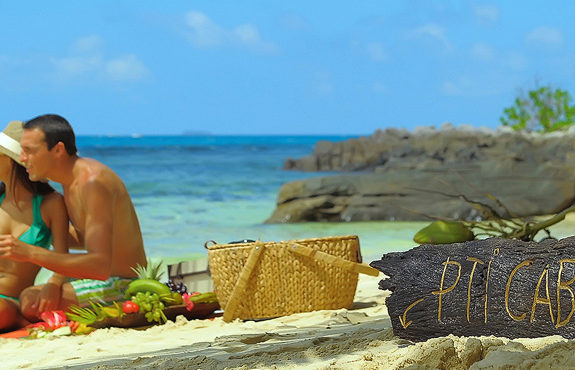
Our Madagascar itineraries range from 3-day trekking experiences to 13-day island-wide circuits. All are fully customisable — whether you’re celebrating a honeymoon in Nosy Be, travelling with children, or seeking the most demanding wildlife encounters the island offers.
Plan Your Madagascar Holiday
Speak directly with one of our Madagascar consultants to discuss the best itinerary for your travel dates, interests, and group. We have extensive first-hand experience across Madagascar’s regions and stay current with conditions on the ground throughout the year.
📞 USA & Canada: 1-888-885-4580 (toll free) 📞 UK: 0-800-051-4252 (toll free) 📞 Kenya/Africa: +254 795 891 706 📧 Email: info@africantravelhub.com
Or request a custom Madagascar quote here and we’ll be in touch within 24 hours.
All biodiversity data sourced from: Antonelli et al., Science (2022); Convention on Biological Diversity Madagascar Country Profile; WWF Madagascar. Visa and entry requirements verified against US State Department and safari-memories.com (December 2025). Travel conditions and park access accurate as of April 2026.