
Last Updated on August 3, 2026 by African Travel Hub Editorial
BOTSWANA : PRE-TRAVEL INFORMATION 2026 – 2027
Botswana is Southern Africa’s supreme wilderness destination — and its most exclusive. A country that has staked its identity on High Value, Low Volume tourism, it protects over 25% of its territory as national parks and game reserves, yet receives only a fraction of the visitors of its neighbours. Within a single itinerary you can drift through the world’s largest inland delta by mokoro canoe, watch Africa’s biggest elephant herds wade the Chobe River at sunset, track lions across Kalahari salt pans painted silver under a full moon, and meet San Bushmen whose ancestors painted the Tsodilo Hills 100,000 years ago. This guide gives you every practical fact you need, structured so you can find answers fast.
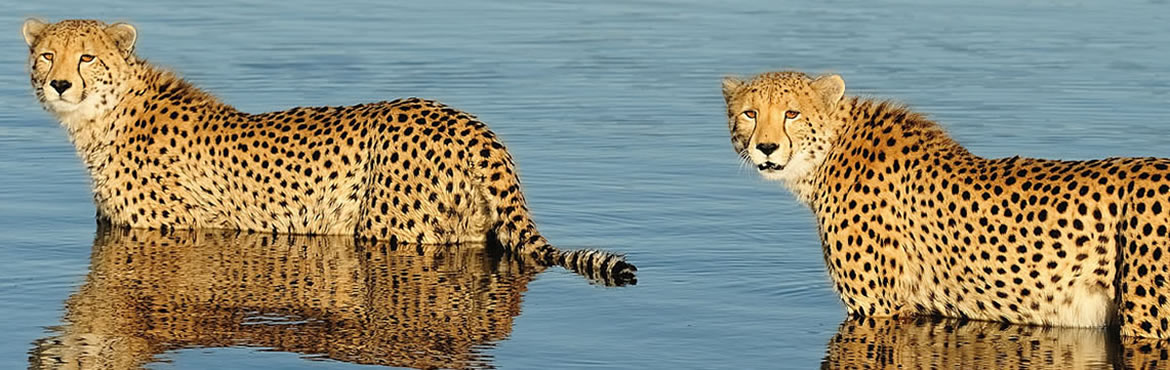 Described as the jewel of the Kalahari, a watery Eden, the Okavango Delta is a tranquil and isolated oasis set in Botswana’s harsh and arid desert. The Okavango is a labyrinth of Lagoons, Lakes and hidden channels covering an area of 17,000 square km and the largest inland delta in the world. Palms and towering trees abound, throwing their shades over crystal pools, forest glades and grassy knolls.
Famous for the Safari tours, Okavango Delta safaris will take you to a unique and utterly enthralling destination- with one of the greatest concentrations of wildlife in Africa, and the beauty is that it is basically a year round destination for safaris. It is also unique safari destination as you can view much of the wildlife from a traditional canoe, a Mokoro.
1. Botswana at a Glance — Key Fast Facts
| FACT | DETAIL |
|---|---|
| Location | Landlocked country in Southern Africa; bordered by South Africa (south & southeast), Zimbabwe (northeast), Zambia (north), and Namibia (west & north)
|
| Area | 581,730 km² (224,607 sq mi) — slightly smaller than France; roughly the size of Texas
|
| Capital | Gaborone (elevation ~1,000 m / 3,281 ft)
|
| Population | ~2.6 million (2024 estimate) — one of the world’s most sparsely populated countries at ~4.4 persons per km²
|
| Official Languages | English (government, business, tourism) and Setswana (national language)
|
| Currency | Botswana Pula (BWP / P). “Pula” means rain in Setswana — the most precious thing in a semi-arid country. USD is widely accepted in all tourist areas. August 2026 approximate rate: BWP 13.5 per USD 1
|
| Time Zone | Central Africa Time (CAT) — UTC+2. No daylight saving time.
|
| Electricity | 230 V / 50 Hz. UK-style 3-pin square plug (Type G). Bring a universal adapter. Remote bush camps often run on solar or generator; charge devices during the day.
|
| Driving | Left-hand traffic. International Driving Permit strongly recommended. Never drive at night — livestock and wildlife on roads cause serious accidents.
|
| Internet | Good 4G in Gaborone, Maun, Kasane, and major towns. Mascom and Orange are the dominant networks. Most remote camps have satellite Wi-Fi; signal in national parks is extremely limited or absent.
|
| Emergency Number | 999 (police/ambulance/fire) or 112 from a mobile
|
| Political Status | One of Africa’s most stable democracies; multi-party elections since independence in 1966
|
| Conservation Model | High Value, Low Volume tourism policy. Botswana deliberately limits visitor numbers to protect its wilderness areas and justify premium pricing. |
2. Botswana Visa & Entry Requirements (Updated 2026)
Good news for most visitors: Botswana is one of Africa’s most accessible destinations. Citizens of over 70 countries — including all major Western tourism markets — can enter visa-free for up to 90 days for tourism purposes, with no advance application required.
2.1 Who Does NOT Need a Visa for Botswana?
The following nationalities can enter Botswana without a visa for stays of up to 90 days (tourism, transit, or business):
| REGION | SELECTED VISA-EXEMPT NATIONALITIES |
|---|---|
| North America
|
United States, Canada |
| Europe
|
United Kingdom, Germany, France, Netherlands, Italy, Spain, Sweden, Norway, Denmark, Finland, Switzerland, Belgium, Austria, Ireland, Portugal, Czech Republic, Hungary, Poland, and most other EU/Schengen states |
| Asia-Pacific
|
Australia, New Zealand, Japan, South Korea, Singapore |
| Middle East
|
Israel |
| Africa
|
South Africa, Kenya, Namibia, Zimbabwe, Zambia, Tanzania, Mozambique, Malawi, and most SADC member states |
For the official and complete list, consult the Botswana Embassy Visa Guidelines or your nearest Botswana mission.
2.2 Who Needs a Visa?
Nationals not on the visa-exempt list must apply for a visa in advance through the nearest Botswana Embassy or High Commission. Processing takes a minimum of 21 working days. Visa on arrival is NOT available as a general rule.
KAZA UniVisa (USD 50): If you are entering Botswana at Kasane or Kazungula border posts and plan to visit both Botswana and Zimbabwe (e.g., Victoria Falls), many nationalities — including British, Irish, American, Canadian, Australian, New Zealand, and others — qualify for the KAZA UniVisa. This single USD 50 visa covers multiple entries between Botswana and Zimbabwe for up to 30 days, eliminating the need for separate visas each time you cross the border to reach Victoria Falls. Confirm your nationality’s eligibility at the border.
2.3 Passport & Entry Requirements for All Visitors
Regardless of whether you need a visa, all visitors to Botswana must meet these requirements:
- Passport validity: Minimum 6 months beyond your planned departure date from Botswana
- Blank pages: At least 2 blank pages for entry and exit stamps
- Proof of onward travel: A return or onward flight ticket (or a documented overland exit itinerary) may be requested by immigration
- Proof of accommodation: Safari lodge vouchers, hotel booking, or a host’s invitation letter
- Sufficient funds: Immigration officers may ask for evidence of funds for your stay (USD 50/day is a commonly cited benchmark)
- Yellow Fever Certificate: Required if you are arriving from a yellow fever-endemic country — see Section 5 for details
Travelling with children under 18: Botswana (like South Africa and Namibia) requires unabridged birth certificates for all children under 18, regardless of nationality. If the child is travelling with only one parent or without both parents, a notarised parental consent letter from the absent parent(s) must also be carried. Border officials regularly check for this documentation.
Duration of stay: Botswana’s 90-day visa-free period is counted per calendar year, not per entry. Immigration officers have discretion to grant a shorter stay.
2.4 Important Cross-Border Notes
- Botswana–Zimbabwe: The Kazungula Bridge (opened 2021) is the main crossing for visitors moving between Kasane and Livingstone/Victoria Falls. It replaced the old Kazungula ferry.
- Botswana–South Africa: Multiple border posts; Tlokweng (Pioneer Gate) near Gaborone and Martin’s Drift near Lephalale are the busiest.
- Botswana–Namibia: Mohembo and Ngoma are the primary crossings for safari circuits combining the Okavango and Caprivi Strip.
- Vehicle documentation: If entering by car, you need the vehicle registration certificate, proof of insurance valid in Botswana, and a temporary import permit (TIP) for foreign-registered vehicles.
For the most current entry requirements, consult Botswana Immigration Department and your government’s travel advisory.
3. Best Time to Visit Botswana
Botswana offers year-round safari experiences, but the timing dramatically affects what you see, how accessible the parks are, and what you pay. Unlike East Africa, Botswana’s best game-viewing season coincides with winter, not summer.
| PERIOD | WHAT TO EXPECT |
|---|---|
| Nov – Mar (Green Season — SUMMER) | Hot (35–42°C in Kalahari), afternoon thunderstorms. Lush green landscapes, outstanding birdwatching (migratory species arrive). Fewer tourists; lowest accommodation rates (up to 40% less). Some remote camps close Dec–Jan. Kalahari wildlife disperses widely. Newborn animals. High mosquito activity. |
| Jan – Mar (Zebra Migration — Makgadikgadi) | One of Africa’s most underrated spectacles: 25,000+ zebras and wildebeest arrive at Makgadikgadi Pans after the first rains. Best witnessed January through March as herds concentrate near Baines’ Baobabs and Ntwetwe Pan. |
| Mar – May (Transition / Shoulder) | Rains tapering. Okavango River floodwaters begin their annual journey south from Angola. Moderate temperatures (25–32°C). Good value and fewer crowds. Some wildlife areas remain wet and difficult to access. |
| Jun – Aug (Dry Season — PEAK FLOOD) | The Okavango Delta is in full flood — peak water levels and the best time for mokoro canoe safaris. Dry conditions across Chobe, Moremi, and Savuti concentrate game at permanent water. Cool to cold (can drop to 0–2°C at night in June/July — pack warm layers). Peak season; highest prices. Book 6–12 months ahead. |
| Sep – Oct (Dry Season — PEAK GAME) | The finest months for big-game viewing. Almost no water remains away from major rivers and the Okavango; every surviving animal must drink there. Elephant herds of hundreds congregate on the Chobe riverfront. Lions active day and night. Temperatures climb toward 35°C+. The Delta starts receding. |
Bottom line: For the iconic Okavango Delta mokoro experience, visit June–August. For the most concentrated big-game viewing — especially elephants and predators — September and October are unbeatable. For budget and birdwatching, December–February. Botswana has no dramatic single-event spectacle equivalent to the Kenya Wildebeest Migration, but the consistent quality of wildlife throughout the dry season (May–October) is unsurpassed on the continent.
4. Botswana’s Top Safari Parks & Reserves
Botswana protects approximately 37% of its territory across 22 national parks, game reserves, and Wildlife Management Areas (WMAs) — one of the highest conservation percentages of any country on earth. Below are the major destinations with current (2026) entry fees. Park fees are payable in Botswana Pula (BWP) or USD at park gates or at the Department of Wildlife and National Parks (DWNP) offices. As of April 2026, fees increased across all major parks.
Current 2026 Exchange Reference: BWP 1 ≈ USD 0.073 (USD 1 ≈ BWP 13.5)
4.1 Okavango Delta (UNESCO World Heritage Site)
The Okavango Delta is Botswana’s most celebrated destination and one of the great geographical wonders of the world. The Okavango River, rising in the highlands of Angola, flows 1,200 km southeast before spreading across the Kalahari sands and simply disappearing into the desert — never reaching the sea. The result is a vast, labyrinthine wetland of roughly 15,000 km² of seasonal floodplain and 6,000 km² of permanent swamp, covering an area larger than Connecticut.
Designated a UNESCO World Heritage Site in 2014, the Delta supports over 1,300 plant species, 530 bird species, 130 mammal species, and 95 reptile species. Wildlife includes lion, leopard, cheetah, wild dog (African painted dog), elephant, hippo, crocodile, red lechwe, sitatunga, and the full suite of common safari species.
What makes it unique: The Delta is not a static ecosystem. It is shaped each year by floodwaters arriving from Angola between March and June, peaking between June and August. This flood dynamic creates a perpetually shifting mosaic of islands, channels, and lagoons that are only fully navigable by small aircraft or by flat-bottomed boats and mokoro (traditional dugout canoes). There are no roads into the deep Delta — access is exclusively by air charter or boat.
Safari experiences available:
- Mokoro (dugout canoe) safaris along flood channels
- Game drives on island tracks within concessions
- Walking safaris on islands with armed guides
- Night drives (in private concessions only)
- Fishing (tiger fish, bream)
- Hot-air balloon safaris (April–September, additional cost)
- Birdwatching (550+ species recorded in the greater Delta ecosystem)
Accommodation tiers: The Okavango is Botswana’s most expensive destination by design. Exclusive private concessions operate on a low-footprint, high-revenue model that funds both conservation and community development.
| TIER | EXAMPLES | APPROXIMATE COST (PER PERSON PER NIGHT, ALL-INCLUSIVE) |
|---|---|---|
| Luxury/Exclusive | Wilderness Mombo Camp, Xigera Safari Lodge, Singita Lebombo | USD 1,500–3,500+ |
| Mid-Upper | &Beyond Xaranna, Okavango Explorers Camp | USD 700–1,500 |
| Mid-Range | Camp Okavango, Kanana Camp | USD 400–700 |
| Budget / Mobile Camping | Mobile camping safaris from Maun | USD 150–350 |
Gateway: Maun International Airport (MUB). All deep-Delta camps are reached by light aircraft from Maun; bush airstrips are maintained by each concession.
Park entry fees (Moremi Game Reserve, within the Delta): See Section 4.3.
4.2 Chobe National Park
Chobe is Botswana’s first national park (gazetted 1967) and one of Africa’s great wildlife destinations. Covering 11,700 km² in the far north, it borders the Chobe River (the border with Namibia’s Caprivi Strip), the Linyanti marshes, and the Savuti savannah.
Chobe is home to Africa’s largest elephant population — an estimated 130,000 elephants use the park and surrounding areas, with concentrations of up to several thousand on the Chobe riverfront during the dry season. This density of elephants is unmatched anywhere on the continent.
The park divides into four distinct ecosystems, each with different wildlife and landscape:
| CHOBE ZONE | CHARACTER | KEY WILDLIFE |
|---|---|---|
| Chobe Riverfront | River floodplain; Kasane as the gateway town | Elephant, hippo, crocodile, buffalo, lion, roan antelope |
| Savuti | Dry channel, fossil lake bed; Savuti Marsh | Lion, leopard, cheetah, wild dog, hyena; famous for lion-elephant interactions |
| Linyanti / Kwando | Remote marshes; Linyanti River | Wild dog (one of Botswana’s best locations), lion, elephant, sitatunga |
| Nogatsaa / Tchinga | Remote woodland; self-drive with camping | Roan, tsessebe, sable antelope |
Boat safaris on the Chobe River are among Africa’s finest wildlife experiences. Morning and late-afternoon boat rides from Kasane allow you to approach herds of hundreds of elephants swimming, drinking, and mud-bathing from close range. Many Kasane lodge packages include daily game drives in Chobe NP and river boat trips.
Gateway: Kasane International Airport (BBK) — served by Air Botswana and Airlink from Gaborone and Johannesburg. Victoria Falls (Zimbabwe) is only 80 km from Kasane; most visitors combine Chobe with Victoria Falls.
4.3 Moremi Game Reserve
Covering 5,000 km² within the eastern Okavango Delta, Moremi is Botswana’s only national park to include the full mosaic of habitats — permanent water, seasonal floodplain, dry woodland, and mopane forest. Chief’s Island (the largest island in the Delta, at 1,000 km²) lies within Moremi and is the location of Wilderness Safaris’ flagship Mombo and Little Mombo camps — consistently rated among the world’s top wildlife camps.
Moremi is one of the best places in Africa to find all of the Big Five (lion, leopard, elephant, buffalo, and rhino — though rhino are rare), wild dog, cheetah, hippo, and crocodile in a single game-viewing area. The park allows permanent lodges along its boundaries and prohibits human settlement within its borders.
Key entry gates: South Gate (via Maun, 4WD required — 100km on sand track), Third Bridge (central), North Gate/Khwai. Self-drive in Moremi requires high-clearance 4WD; deep sand and seasonal flooding make the roads challenging from November to March.
4.4 Botswana National Park Entry Fees 2026
The following fees are effective from 1 April 2026, as set by the Department of Wildlife and National Parks (DWNP). Children under 8 enter free; children aged 8–17 receive a 50% discount.
Chobe National Park & Moremi Game Reserve:
| VISITOR CATEGORY | ADULT FEE (PER PERSON PER DAY) | USD EQUIVALENT |
|---|---|---|
| International (non-resident) | BWP 500 | ~USD 37 |
| SADC resident | BWP 300 | ~USD 22 |
| Botswana citizen | BWP 50 | ~USD 3.70 |
Vehicle fees (Chobe & Moremi):
| VEHICLE | INTERNATIONAL | BOTSWANA-REGISTERED |
|---|---|---|
| Under 3,500 kg | BWP 138 (~USD 10) | BWP 36 (~USD 2.70) |
All other parks (Makgadikgadi Pans, Nxai Pan, Central Kalahari Game Reserve, Savuti — when separate from Chobe):
| VISITOR CATEGORY | ADULT FEE (PER PERSON PER DAY) | USD EQUIVALENT |
|---|---|---|
| International (non-resident) | BWP 380 | ~USD 28 |
| SADC resident | BWP 200 | ~USD 15 |
| Botswana citizen | BWP 50 | ~USD 3.70 |
Vehicle fees (other parks):
| VEHICLE | INTERNATIONAL | BOTSWANA-REGISTERED |
|---|---|---|
| Under 3,500 kg | BWP 90 (~USD 6.60) | BWP 24 (~USD 1.80) |
Important: Park fees are separate from concession fees charged by private camps in Wildlife Management Areas (WMAs). Most all-inclusive safari packages include park fees; confirm with your operator before departure.
Tourism Development Levy: Botswana charges an additional USD 30 per person upon entry (at airports and major border posts). This levy directly funds conservation programmes.
Booking campsites: Campsites within national parks must be booked in advance through the DWNP. Camping without a confirmed booking is not permitted.
4.5 Makgadikgadi Pans National Park
The Makgadikgadi (pronounced “mak-ga-di-ga-di”) is one of earth’s most extraordinary landscapes: a series of vast, perfectly flat salt pans covering approximately 12,000 km² — remnants of an ancient super-lake that once covered much of northern Botswana. The two main pans, Sowa Pan and Ntwetwe Pan, are so large they are visible from space.
During the green season (November–March), the Makgadikgadi hosts Africa’s second-largest zebra and wildebeest migration — 25,000+ zebras converge on the pan margins after the first rains. At other times, flamingos gather in their thousands where water lingers. In the dry season, vast herds of springbok and gemsbuck (oryx) graze the pan edges.
The Baines’ Baobabs — a cluster of ancient trees on the edge of Ntwetwe Pan, painted by the Victorian explorer Thomas Baines in 1862 — are utterly unchanged since that painting and are one of Botswana’s most iconic photographic subjects.
Jack’s Camp and San Survival Experience: The Makgadikgadi is home to one of Africa’s most authentic cultural experiences — guided days with local San Bushmen who demonstrate tracking, fire-making, and plant medicine in their ancestral territory.
4.6 Central Kalahari Game Reserve (CKGR)
At 52,800 km², the Central Kalahari Game Reserve is the world’s second-largest wildlife reserve, covering nearly 10% of Botswana’s total landmass. Originally established in 1961 to protect the traditional territory of the San (Bushmen), it is also one of Africa’s great wilderness experiences — vast, remote, and spectacularly empty.
The CKGR is characterised by fossil river valleys (known as lekhubu), ancient dunes stabilised by grass and bush, and pan landscapes that come alive during the wet season. It is one of the best places on earth to see black-maned Kalahari lions, as well as cheetah, brown hyena, African wild dog, oryx, eland, and springbok.
This is a true wilderness, with vast distances between watering points and basic campsites. Self-drive requires a fully kitted expedition 4WD with GPS, extra fuel, water, and food. Guided mobile camping safaris are the most practical option for most visitors. Nearest access point: Rakops (east) or Ghanzi (west).
4.7 Nxai Pan National Park
Immediately north of Makgadikgadi, Nxai Pan is a smaller, more accessible pan that delivers remarkable concentrations of wildlife — particularly during the wet season when it transforms into an inland lake surrounded by springbok, zebra, giraffe, and lion. The South Camp waterhole is one of Southern Africa’s most productive permanent wildlife stations, drawing elephant, lion, cheetah, and giraffe year-round.
Baines’ Baobabs are located at the southern end of Nxai Pan and are reached from here.
5. Health & Vaccinations for Botswana
Consult a travel medicine specialist or your GP at least 4–6 weeks before departure. Here is a complete breakdown of health requirements and recommendations, categorised by urgency.
5.1 Required Vaccinations
Yellow Fever Certificate (REQUIRED if arriving from a yellow fever-endemic country):
If you have been in a yellow fever-endemic country within 6 days before arriving in Botswana, you must present a valid International Certificate of Vaccination or Prophylaxis (ICVP/yellow card). The WHO Yellow Fever vaccination is considered valid for life and no longer requires renewal. For the authoritative list of countries triggering this requirement, see: WHO Yellow Fever Country List and the CDC Yellow Book 2026.
No other vaccinations are mandated by the government of Botswana for entry.
5.2 Strongly Recommended Vaccinations
| VACCINE | WHY IT MATTERS FOR BOTSWANA |
|---|---|
| Hepatitis A | Transmitted through contaminated food and water; vaccine provides long-lasting protection |
| Typhoid | Recommended for all travellers, especially those eating outside high-end lodges |
| Hepatitis B | Recommended if you may require medical treatment or be exposed to blood/body fluids |
| Tetanus / Diphtheria / Pertussis (Tdap) | Ensure your booster is up to date before international travel |
| Measles, Mumps, Rubella (MMR) | Global measles cases rising; ensure full vaccination. Source: CDC Measles Advisory, May 2025 |
| Rabies (pre-exposure) | Recommended for safari visitors spending extended time outdoors or in remote areas with limited access to post-exposure treatment. Botswana’s remote safari regions can be 4+ hours from treatment facilities. |
| Polio | Confirm you have received a lifetime adult booster dose before visiting |
5.3 Malaria Prevention
Malaria is present throughout northern and central Botswana, including all major safari areas: Okavango Delta, Chobe National Park, Moremi Game Reserve, Makgadikgadi Pans, Nxai Pan, and the Linyanti/Kwando system. Gaborone in the south is low risk. The malaria parasite is predominantly Plasmodium falciparum and is chloroquine-resistant — standard chloroquine prophylaxis is NOT effective.
Risk is highest during and immediately after the rainy season (November–April). Risk drops in the dry season (June–August) but does not disappear in northern areas — prophylaxis is recommended year-round for Chobe and Okavango visits.
CDC- and NaTHNaC-recommended antimalarial options (always consult your physician):
| DRUG | DOSING | NOTES |
|---|---|---|
| Atovaquone/proguanil (Malarone) | Daily tablet; start 1–2 days before, end 7 days after | Fewest side effects; widely recommended |
| Doxycycline | Daily tablet; start 1–2 days before, end 28 days after | Cheap but requires sun protection |
| Mefloquine (Lariam) | Weekly tablet; start 2–3 weeks before | Less favoured due to potential side effects |
Personal bite-prevention measures — essential regardless of prophylaxis:
- Apply DEET (≥20%) or picaridin insect repellent on all exposed skin, especially at dusk and dawn
- Wear long-sleeved shirts and long trousers after dark
- Sleep under insecticide-treated mosquito nets (all reputable lodges provide nets)
- Use permethrin-treated clothing for extended bush trips
For current guidance, consult: CDC Travellers’ Health — Botswana and NaTHNaC TravelHealthPro — Botswana.
5.4 Other Health Precautions
- Water & Food: In lodges and camps, water and food standards are high. In towns and self-catering situations, drink only bottled or boiled water. Do not drink tap water.
- Sun Protection: The Kalahari sun is intense. Use SPF 50+, reapply every 2 hours, wear a wide-brimmed hat, and stay hydrated.
- Animal Bites: If bitten by any animal, seek medical attention immediately. Post-exposure rabies prophylaxis must begin within 24 hours of a bite for maximum effectiveness; the nearest major treatment centre may be several hours away.
- Schistosomiasis (Bilharzia): Avoid wading, swimming, or bathing in freshwater rivers and natural pools, particularly in northern Botswana. The Okavango, Chobe, and Linyanti rivers all carry some risk.
- Traveller’s Diarrhoea: Carry oral rehydration salts and a broad-spectrum antibiotic (Ciprofloxacin or Azithromycin) for self-treatment of moderate cases.
- Medical Evacuation Insurance: Botswana’s remote safari areas are many hours by road from the nearest hospital. All visitors must carry comprehensive travel insurance that explicitly includes medical evacuation by air. Confirm that your policy covers helicopter evacuation from remote wilderness areas.
6. Getting to Botswana — International Airports
Botswana has four international airports and over 200 bush airstrips, managed by the Civil Aviation Authority of Botswana (CAAB).
6.1 Sir Seretse Khama International Airport (GBE) — Gaborone
Botswana’s main international gateway, located 15 km north of Gaborone’s CBD. Handles scheduled services from Johannesburg (SAA, Airlink), Addis Ababa (Ethiopian Airlines), Cape Town (Airlink), and Harare (Air Botswana). Total passenger traffic: 407,813 (2024). IATA code: GBE.
Most long-haul visitors connect through Johannesburg O.R. Tambo International Airport (JNB), which serves as the primary hub for flights into Botswana from Europe, North America, and Asia. Flying time from JNB to GBE: approximately 1 hour 20 minutes.
Key airlines serving GBE: Air Botswana (national carrier), Airlink (South Africa), Ethiopian Airlines, South African Airways.
6.2 Maun International Airport (MUB) — Okavango Gateway
The most important airport for safari tourism, Maun is the gateway to the Okavango Delta. Direct scheduled connections from Johannesburg (Airlink) and Gaborone (Air Botswana). Maun handles more aircraft movements than any other airport in Africa except O.R. Tambo — a reflection of the hundreds of small charter flights shuttling guests to and from Delta bush camps daily. In terms of aircraft movements, Maun is ranked first in Africa excluding South Africa.
Guests bound for the Okavango Delta fly commercially to Maun (MUB), then transfer to a light aircraft (Cessna 206, Caravan, or similar) for the 20–45 minute hop to the private airstrip of their chosen camp.
IATA code: MUB. Flying time from JNB: approximately 1 hour 45 minutes.
6.3 Kasane International Airport (BBK) — Chobe Gateway
Serves visitors to Chobe National Park and the Chobe riverfront. Direct flights from Gaborone (Air Botswana) and Johannesburg (Airlink). Flying time from Johannesburg: approximately 2 hours. Victoria Falls (Zimbabwe) is 80 km from Kasane; many visitors combine a Kasane/Chobe stop with Victoria Falls.
IATA code: BBK.
6.4 PG Matante International Airport (FRW) — Francistown
Secondary commercial hub in northern Botswana. Domestic connections to Gaborone and limited regional traffic. Primarily used for business travel; most safari visitors do not route through Francistown.
IATA code: FRW.
7. Geography & Climate
Botswana’s landscape is dominated by the Kalahari Desert — not the classic dune-sea of popular imagination, but a flat, semi-arid sand plateau covered by sparse grass, thornbush, and mopane woodland, punctuated by fossil river valleys and ancient pans. Understanding its five major geographic zones explains why Botswana’s wildlife concentrates where it does.
| GEOGRAPHIC ZONE | KEY FEATURES & SAFARI DESTINATIONS |
|---|---|
| Northern Wetlands | The Okavango Delta, Linyanti Marshes, Chobe River system. Southern Africa’s water-rich anomaly — sustained by Angolan highland rainfall. Safari heartland. |
| Chobe Region (Far North) | Chobe National Park flanking the Chobe and Zambezi rivers. Africa’s densest elephant population. Victoria Falls 80 km from Kasane. |
| Makgadikgadi Basin | Vast salt pans (Sowa and Ntwetwe) — remnants of a palaeolake. Zebra migration Nov–Mar. Meerkats, brown hyena, flamingos. Extreme flatness. |
| Central Kalahari | World’s second-largest game reserve. Fossil riverbeds, ancient dunes. Black-maned lions, oryx, eland, cheetah. Deep wilderness requiring expedition logistics. |
| Southern Plateau & Tuli Block | Limpopo river valley; Tuli Block reserves; the granite hills of Tuli. Closest wild area to South Africa; accessible by 4WD self-drive. Leopard, elephant, lion, wild dog. |
Climate summary by season:
| PERIOD | CONDITIONS | TEMPERATURE RANGE |
|---|---|---|
| June–July (Winter) | Dry, clear, cold nights; ideal game viewing | Daytime 20–25°C; nights 0–10°C (can drop below 0°C in July) |
| August–September (Late Dry) | Hot days, cool nights; peak wildlife concentration | Daytime 28–36°C; nights 10–16°C |
| October–November (Pre-Rains) | Very hot, dusty; thunderstorms building; game at water | Daytime 35–42°C; nights 18–24°C |
| December–March (Wet Season) | Afternoon downpours; lush vegetation; good birdwatching | Daytime 32–40°C; nights 18–24°C |
| April–May (Transition) | Rains ending; vegetation thinning; Okavango flood arriving | Daytime 28–34°C; nights 12–18°C |
8. Safari Costs: What to Budget for a Botswana Trip
Botswana is deliberately positioned as a premium destination. Its High Value, Low Volume policy means accommodation and activity costs are higher than equivalent experiences in Kenya or Tanzania — but you gain uncrowded parks, exclusive wildlife encounters, and intact wilderness in exchange.
| SAFARI TIER | COST PER PERSON PER DAY (ALL-INCLUSIVE) | WHAT YOU GET |
|---|---|---|
| Budget / Camping | USD 150–350 | Self-drive camping with own vehicle and equipment; basic campsites in national parks; shared facilities |
| Mid-Range | USD 350–700 | Lodge accommodation in or adjacent to parks; private game drives; meals included; guided activities |
| Luxury | USD 700–1,500 | Private concession lodges; exclusive vehicles; specialist guiding; all meals, drinks, and activities |
| Ultra-Luxury / Exclusive | USD 1,500–3,500+ | Private islands in Okavango; helicopter transfers; private guides; fully bespoke itineraries |
Typical total costs (per person, excluding international flights):
- 7-night mid-range Botswana circuit (Maun + Okavango + Chobe): USD 3,500–5,000
- 10-night luxury Botswana fly-in (Okavango + Savuti + Chobe): USD 9,000–15,000
- Budget self-drive (own 4WD, camping, 14 nights): USD 1,500–2,500 in park/camping fees + vehicle costs
International flights: Most visitors fly via Johannesburg. London to Johannesburg return: approximately USD 750–1,200 (economy). New York to Johannesburg return: approximately USD 900–1,500. Johannesburg to Maun or Kasane adds approximately USD 200–400 return.
9. Money, Banking & Practical Logistics
9.1 Currency & Exchange
The Botswana Pula (BWP, symbol: P) is the official currency. USD is universally accepted in the tourism sector — at safari lodges, private camps, airports, and park gates. EUR and GBP are also accepted at most upscale lodges.
- Exchange rate (August 2026 approximate): USD 1 = BWP 13.5 | BWP 1 = USD 0.073
- ATMs: Available in Gaborone, Maun, Kasane, Francistown, Palapye, and Mahalapye. Standard bank ATMs accept Visa and Mastercard. ATMs are not available inside national parks.
- Credit cards: Visa and Mastercard accepted at major lodges, hotels, and large supermarkets. American Express has limited acceptance. Many remote camps are cash-only for extras (tips, curios).
- Cash for tips: Carry small-denomination USD or BWP notes for tipping guides, trackers, and camp staff.
- Banks: Standard Chartered, First National Bank Botswana (FNBB), Barclays, and Stanbic are the main commercial banks. Banking hours: Monday–Friday 08:30–15:30; Saturday 08:30–12:30.
9.2 Tipping Guidelines
Tipping is expected and deeply appreciated in Botswana’s safari industry:
| SERVICE | SUGGESTED AMOUNT (PER DAY) |
|---|---|
| Safari guide / driver | USD 10–20 per person |
| Camp/lodge staff (shared pool) | USD 10–20 per person |
| Tracker (if separate from guide) | USD 5–10 per person |
| Mokoro poler | USD 5–10 per person |
| Porter | USD 2–5 per bag |
Most camps have a communal tip box for general staff; check with your camp manager about their preferred system.
10. Communications & Connectivity
- Mobile networks: Mascom and Orange are the two dominant operators. Mascom has the widest coverage, including in Maun, Kasane, and most major towns. Coverage drops dramatically once you enter national parks; many deep-Delta camps have satellite phones and satellite internet as the only connectivity.
- SIM cards: Available from Mascom and Orange dealers in Maun, Gaborone, and Kasane. Present your passport for registration. A prepaid data SIM is inexpensive and practical for time in towns.
- Wi-Fi: High-end lodges provide satellite Wi-Fi, often in common areas only. Bandwidth is limited. Deliberately: most guests are encouraged to disconnect — and the wildlife provides compelling reasons to.
- International dialling: Botswana country code is +267. There is no leading zero in Botswana mobile numbers.
- Emergency communications: Most reputable safari operators equip their guides with VHF radio and satellite phones for emergency use in remote areas.
11. The Botswana Safari Experience: What to Know Before You Go
11.1 Wildlife Highlights — What Botswana Does Better Than Anywhere Else
| SPECIES / EXPERIENCE | WHY BOTSWANA | BEST LOCATION |
|---|---|---|
| Elephant | Africa’s largest population (est. 130,000). Chobe’s riverfront scenes are unmatched globally | Chobe National Park, Savuti, Okavango Delta |
| African Wild Dog (Painted Dog) | Botswana has one of the world’s largest wild dog populations. Best country for consistent sightings | Moremi Game Reserve, Linyanti, Khwai Concession |
| Lion | Large, habituated prides; black-maned Kalahari lions are legendary | Savuti (Chobe), Moremi, CKGR, Nxai Pan |
| Leopard | Excellent sightings in riverine vegetation | Moremi, Khwai, Tuli Block |
| Cheetah | Open plains habitats; daytime hunter | Makgadikgadi, Savuti, CKGR |
| Hippo & Crocodile | Abundant in all major rivers and permanent water bodies | Chobe River, Okavango channels |
| Zebra Migration | 25,000+ zebras arrive at Makgadikgadi pans after first rains | Makgadikgadi Pans (January–March) |
| Birdwatching | 600+ species; top 5 birding country in Africa | Okavango Delta, Chobe, Linyanti |
| Mokoro Safari | Unique, ancient mode of exploration by dugout canoe | Okavango Delta (June–September) |
11.2 Safari Activity Types
Botswana’s tourism model allows — even emphasises — activities beyond the standard game drive:
| ACTIVITY | WHERE AVAILABLE | NOTES |
|---|---|---|
| Game Drive (4WD) | All parks and camps | Standard twice-daily: early morning and late afternoon |
| Night Drive | Private concessions only (not KWS parks) | Best for predator hunting, nocturnal species, African civets, genets |
| Mokoro (dugout canoe) | Okavango Delta | Jun–Sep when flood channels are full; poled by local guides |
| Motor Boat Safari | Chobe River, Okavango Delta, Linyanti | Boat drives: morning and afternoon. Exceptional for elephant photography |
| Walking Safari | Private concessions, Moremi, CKGR | Armed, certified guide required; minimum age typically 12 years |
| Horseback Safari | Macatoo Camp (Okavango), Mashatu (Tuli) | Among Africa’s finest; ride among elephant and lion |
| Hot-Air Balloon | Okavango Delta (Apr–Sep) | Extra cost: approximately USD 400–500 per person |
| Catch-and-Release Fishing | Okavango, Chobe, Linyanti | Tiger fish, bream; guided fishing safaris available |
| Meerkats | Makgadikgadi Pans | Habituated meerkat families allow close contact at dawn |
11.3 Safari Tips from Our Consultants
- Book Okavango Delta camps 9–12 months in advance for June–October. The best camps in Moremi, particularly on Chief’s Island, sell out over a year ahead.
- Pack warm layers for June and July. Pre-dawn game drives can feel near-freezing; down vests or fleece jackets are essential.
- Luggage limits on light aircraft (within-Botswana bush flights) are strictly enforced: 20 kg total (including hand luggage), in soft-sided bags only. Hard-sided suitcases cannot be loaded in small aircraft cargo holds. Your operator will advise; excess luggage can be stored in Maun.
- Neutral clothing colours (khaki, olive, tan, grey) are mandatory in game areas. Avoid white, bright colours, and camouflage patterns (illegal in some contexts).
- Bring binoculars rated 8×42 — the standard for serious safari wildlife viewing. A camera with at least 300mm effective focal length is recommended for bird and predator photography.
- Park gates close at 18:00 (6:00 PM). Do not be caught driving inside a national park after dark. Fines are substantial and rangers will escort you out.
- Self-drivers in Chobe and Moremi must carry GPS with Africa maps loaded, paper backup maps, extra fuel (50+ litres for Moremi), water (10 litres per person per day minimum), and a full-size spare tyre.
12. Beyond Wildlife: Botswana’s Other Highlights
12.1 Victoria Falls — 80 km from Kasane
While Victoria Falls straddles the Zimbabwe–Zambia border, Botswana’s Kasane is the closest safari town to the Falls (80 km). Most Chobe safari itineraries include a day trip or overnight to Victoria Falls. The Falls — 108 m tall and 1,708 m wide — discharge up to 500 million litres of water per minute at peak flow (February–April), making it the largest waterfall in the world by combined height and width. Listed as a UNESCO World Heritage Site. Activities include: white-water rafting on the Zambezi, bungee jumping from the Victoria Falls Bridge, sunset cruises, and helicopter flights (the famous Flight of Angels).
12.2 Tsodilo Hills — UNESCO World Heritage Site
Located in remote northwestern Botswana near the Namibia border, the Tsodilo Hills rise abruptly 400 m from the surrounding Kalahari plain. The hills contain over 4,500 rock paintings spanning 100,000 years of human history — the highest concentration of rock art in the world. Designated a UNESCO World Heritage Site in 2001, the Tsodilo Hills are sacred to the San Bushmen, who call them the “Mountains of the Gods.” Access is by 4WD from Shakawe; approximately 4 hours from Maun.
12.3 Okavango Mokoro — Africa’s Most Peaceful Safari
Gliding through the Okavango Delta channels in a traditional mokoro (dugout canoe) propelled silently by a standing pole remains one of Africa’s most distinctive experiences. Approached in silence, hippos, waterbuck, and sitatunga appear around corners in the reed beds. The Okavango is Africa’s most extensive wetland and records over 530 bird species; a mokoro trip during the flood season (June–September) offers the finest birdwatching from water level.
12.4 San Bushmen Cultural Experiences
The San (also called Bushmen or Khoisan) are Southern Africa’s oldest indigenous people, with a cultural and genetic lineage traced back over 70,000 years in the Kalahari. Several operators offer authentic, community-led San cultural programmes:
- Makgadikgadi Pans (Jack’s Camp): Full-day guided experience with local Zu/’hoasi San demonstrating tracking, plant medicine, hunting tools, and fire-making. Rated among Africa’s top cultural safari experiences.
- Central Kalahari Game Reserve: The CKGR was the traditional homeland of the San. Several community trusts near Ghanzi and Deception Valley offer guided experiences.
- Dqae Qare Game Farm (Ghanzi): Community-owned San tourism project offering cultural presentations, bushcraft, and overnight stays with San families.
12.5 Makgadikgadi Pans — Sunrise on the World’s Largest Salt Pan
At dawn on Ntwetwe Pan, you can walk several kilometres across the perfectly flat, crystalline surface in total silence. No trees. No horizon features. Just you, the sound of your boots on cracked salt crust, and the distant pink line where the earth meets a sky becoming gold. Quad-biking on the pans (available from Gweta Lodge and other operators) is a surreal, exhilarating experience unique to this part of Botswana.
13. Customs & Cultural Tips
Botswana is a culturally welcoming, politically stable, and largely English-speaking country. A few practical points for respectful travel:
- Greeting: The Setswana greeting “Dumela” (followed by “Rra” for a man or “Mma” for a woman) will open every interaction positively. “Dumela Rra” is “Hello, sir”; “Dumela Mma” is “Hello, ma’am.”
- Dress: Botswana is relatively liberal by Southern African standards. In towns and cities, casual Western dress is fine. Swimwear is appropriate at lodges but not in markets or local villages.
- Photography of people: Always ask permission. The San people in particular have complex relationships with photography; follow your guide’s protocols for cultural visits.
- Wildlife rules: In all national parks, remain in your vehicle unless authorised by a licensed guide. Maintain the prescribed distance from animals. Off-road driving is illegal and carries heavy fines. Do not feed wildlife under any circumstances.
- Alcohol: Widely available. Responsible consumption; public intoxication is not tolerated.
- Plastic bags: Botswana has not banned single-use plastics as of 2026, but lodges and responsible operators actively discourage their use. Reusable bags are preferred.
- Tipping: See Section 9.2 above. Tipping is not obligatory but is deeply important to service staff whose base wages are supplemented by gratuities.
- Wildlife Management Areas (WMAs): Many communities benefit directly from tourism through Community Trusts. Purchasing crafts and using community-run operations has a direct and transparent benefit for local Batswana families.
14. Safety
Botswana is consistently rated as one of Africa’s safest tourist destinations. It has a stable democracy, a functioning rule of law, low violent crime rates relative to its Southern African neighbours, and professional security forces.
- Personal safety: Crime against tourists is low in safari areas. Normal precautions apply in Gaborone — avoid displaying expensive equipment in public, use official taxis at night, and be alert in market areas. Kasane and Maun are very safe for tourists.
- Wildlife: The single most important safety rule is follow your guide’s instructions without question. Do not leave your vehicle in areas with lion, elephant, hippo, or buffalo unless explicitly instructed to do so by a licensed guide. Hippos are responsible for more human deaths in Africa than any other large mammal — never approach them on foot near water without a guide.
- Road driving at night: Do not drive on Botswana’s roads between sunset and sunrise, including the tarred A1 highway. Cattle, donkeys, elephants, and other wildlife are completely unlit on roads and have caused many fatal accidents.
- Flood and remote area risks: During the green season, roads in Moremi and the CKGR can become impassable. Self-drivers must file a detailed route plan with their lodge or a responsible party before entering remote areas.
- Medical emergencies: Botswana has limited public healthcare outside Gaborone and Francistown. All visitors must carry medical evacuation insurance. Medivac and MARS Botswana are the leading emergency air evacuation services.
Current travel advisories:
- UK Foreign, Commonwealth & Development Office — Botswana
- US Department of State — Botswana
- Australian DFAT — Botswana
15. Ready to Plan Your Botswana Safari?
African Travel Hub specialises in tailor-made Botswana safaris, with long-standing partnerships across the Okavango Delta, Chobe National Park, and the Central Kalahari. Whether you are planning a first-time bush-and-delta combination or a specialist wildlife photography expedition, our consultants have the on-the-ground knowledge to design an itinerary that matches your travel style, timing, and budget.
Request a Custom Botswana Safari Quote →
Last Updated: August 2026 by African Travel Hub Editorial. Entry requirements, park fees, and health guidance are subject to change — always verify with official sources before travel.