
Last Updated on September 22, 2026 by African Travel Hub Editorial
Kenya: Pre-Travel Information Package 2026-2027
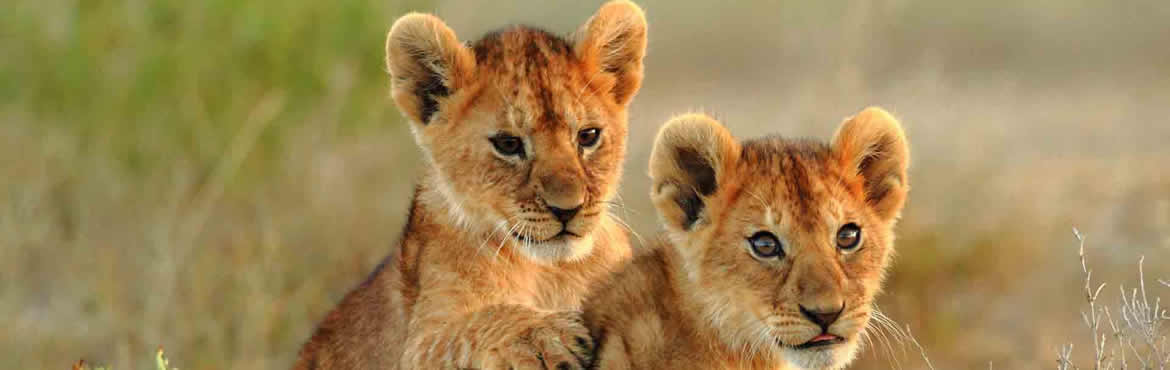
Kenya is East Africa’s most established safari destination — and its most diverse. Within a single trip you can witness the world’s greatest wildlife migration, track lions at dawn, stand below the equatorial snows of Mount Kenya, snorkel above pristine coral reefs, and share a sundowner with Maasai warriors. This guide gives you every practical fact you need to plan your visit, structured so you can find answers fast.
1. Kenya at a Glance — Key Fast Facts
| FACT | DETAIL |
|---|---|
| Location | East Africa, straddling the Equator; bordered by Tanzania, Uganda, South Sudan, Ethiopia, Somalia, and the Indian Ocean |
| Area | 581,309 km² (224,445 sq mi), including 13,395 km² of inland water |
| Capital | Nairobi (elevation ~1,795 m / 5,889 ft above sea level) |
| Population | ~57 million (one of Africa's fastest-growing populations) |
| Official Languages | Swahili (Kiswahili) and English — both used in government and business |
| Currency | Kenyan Shilling (KES / KSh). USD is widely accepted in tourist areas; April 2026 approximate rate: KES 129 per USD 1 |
| Time Zone | East Africa Time (EAT) — UTC+3. No daylight saving time. |
| Electricity | 240 V / 50 Hz. UK-style 3-pin square plug (Type G). Bring a universal adapter. |
| Driving | Left-hand traffic. International Driving Permit recommended for self-drive. |
| Internet | Good 4G coverage in cities and tourist corridors. Safaricom (M-Pesa) is the dominant network. |
| Emergency number | 999 (police/ambulance/fire) or 112 from a mobile |
| Religion | Christianity (~85%), Islam (~11%), traditional beliefs and other (~4%) |
2. Kenya Visa & Entry Requirements (Updated 2026)
The single most important pre-travel step for Kenya: Kenya replaced the traditional eVisa with an Electronic Travel Authorisation (eTA) on 5 January 2024. Every foreign visitor — including infants and children — must hold an approved eTA before boarding their flight to Kenya.
2.1 How to Apply for the Kenya eTA
| Official eTA portal: https://www.etakenya.go.ke
Application fee: Payable by credit or debit card (Visa / Mastercard). Amount varies by nationality. Processing time: Typically 3 working days. Apply at least 2 weeks before departure. Validity: 90 days from date of issuance. Single-entry for most nationalities (re-entry valid from EAC countries). eTA support: etakenya@ecitizen.go.ke | WhatsApp: +254 110 922 064 |
Documents required at time of application:
- Valid passport — minimum 6 months validity beyond planned arrival date, at least one blank page
- Recent passport photo or webcam selfie (no hats or glasses)
- Return / onward flight booking confirmation
- Proof of accommodation (hotel booking or host invitation letter)
- Yellow Fever vaccination certificate (if arriving from a yellow fever-endemic country — see Section 5)
- Travel insurance information
- Credit or debit card for payment
2.2 Who Is Exempt from the eTA?
The following are fully exempt from the eTA requirement:
- Citizens of Kenya (including those travelling with non-Kenyan children — the child still needs an eTA)
- Citizens of EAC Partner States: Tanzania, Uganda, Rwanda, Burundi, South Sudan, and the Democratic Republic of Congo (exempted for up to 6 months)
- Holders of valid Kenya Permanent Residence certificates, Work Permits, or valid Passes
- Diplomatic and UN passport holders on official duty (exempt from payment, not from the application itself)
- Transit passengers who remain within the airside/seaport precinct and do not pass through immigration
Important: Even if you held a valid eVisa issued before January 2024, you are not required to obtain a new eTA for that trip. However, any new journey requires an eTA. For the most current list of nationalities exempt from eTA fees, consult the Kenya Embassy eTA page or the Official eTA portal.
2.3 Passport & Entry Tips
- Your passport must be valid for at least 6 months beyond your intended departure date from Kenya.
- Duration of stay is determined by immigration officers on arrival, not by the eTA itself.
- You can apply to extend your stay at the nearest Immigration Office; a Visitor’s Pass can be extended up to 90 days at a time, with a maximum total stay of 180 days.
- If you temporarily leave Kenya to visit an EAC country (e.g., Tanzania or Rwanda), your eTA remains valid for re-entry.
- For travel to non-EAC destinations and returning to Kenya, a new eTA is required.
3. Best Time to Visit Kenya
Kenya can be visited year-round, but the timing of your visit significantly affects what you see, how much you pay, and how crowded the parks are. There are two dry seasons and two rainy seasons.
| PERIOD | WHAT TO EXPECT |
|---|---|
| Jan – Feb (Dry) | Hot and dry. Excellent wildlife viewing as animals concentrate at water sources. Low-season prices at many lodges. Lion activity is high ('Lion Season' in Masai Mara). Great for Amboseli and Samburu. |
| Mar – May (Long Rains) | April and May are the wettest months. Lush green landscapes, newborn animals, superb birdwatching. Fewest tourists and lowest accommodation rates. Some remote roads become impassable. |
| Jun – Oct (Dry — PEAK) | The prime safari season. The Great Wildebeest Migration is in the Masai Mara July–October. Clear skies, dense wildlife. Highest demand — book 6–12 months in advance for migration camps. |
| Nov – Dec (Short Rains) | Shorter, less intense rains — often afternoon showers only. Parks are green and photogenic. Moderate crowds and prices. Good for birding and family safaris. |
Bottom line: For the Great Wildebeest Migration river crossings, visit between July and October. For the best value and fewest crowds, choose January–February or November–December. Budget travellers who can tolerate occasional rain will find April–May exceptional for photography and prices.
For ready-made, affordable trip packages, visit our Kenya Safari Tours Page here
For Tailor-made, specialized Kenya Safari Tours, contact us here.
4. Kenya’s Top Safari Parks & Reserves
Kenya has 23 National Parks, 28 National Reserves, 4 Marine Parks, 6 Marine Reserves, 4 Sanctuaries, and over 140 private conservancies. Below are the most visited and the current entry fees (2025/2026, updated October 2025). All Kenya Wildlife Service (KWS) parks now require cashless advance payment through the eCitizen/KWSPay portal at kws.go.ke.
4.1 Masai Mara National Reserve
The Masai Mara is Kenya’s most famous wildlife destination and one of Africa’s highest-density predator zones. Covering approximately 1,510 km², it forms the northern apex of the 40,000-square-mile Serengeti–Mara ecosystem. Unlike KWS-managed parks, the Mara is administered by Narok County Government. Surrounding private conservancies (Mara North, Naboisho, Ol Kinyei, Lemek) offer exclusive game drives, night drives, and walking safaris not permitted inside the main reserve. For official reserve information, visit: narok.go.ke
Current Masai Mara Entry Fees (Non-Residents, per 12 hours, 2026):
- Low Season (January–June): USD 100 per adult | USD 50 per child (ages 9–17)
- High Season (July–December): USD 200 per adult | USD 50 per child (ages 9–17)
- Children under 8 years: FREE
- Vehicle entry fee: approx. KES 400
- Ranger fee for self-drive visitors: USD 40 per day (compulsory — unescorted self-drive is no longer permitted)
- Most organised safari packages include park entry fees; always confirm with your operator before paying at the gate.
The Great Wildebeest Migration in the Masai Mara:
Every year, over 1.5 million wildebeest, joined by hundreds of thousands of zebra and gazelle, make the epic circular journey from Tanzania’s Serengeti into the Masai Mara. The most dramatic spectacle — the Mara River crossing — typically occurs between late July and mid-October, when herds plunge into crocodile-filled waters watched by lions and cheetahs on the far bank. August and September are historically the peak months for river crossings, but exact timing is unpredictable as it depends on rainfall patterns. Climate change has made the schedule less reliable than in previous decades. Book migration-season camps at least 6–12 months in advance for any lodge within walking or short driving distance of the Mara River.
4.2 Amboseli National Park
Located at the foot of Mount Kilimanjaro (which sits just across the Tanzania border), Amboseli is Kenya’s premier elephant destination. The park’s open plains give unobstructed views of elephant herds with Africa’s highest peak as a backdrop — one of safari photography’s most iconic scenes. Amboseli also hosts large numbers of hippo, buffalo, lion, cheetah, and over 600 bird species.
- Entry Fee (Non-Resident): USD 90 per adult per day | USD 45 per child (3–17 years) — flat rate year-round
- Opening Hours: 06:00–18:00 daily
- Payment: cashless via KWSPay (eCitizen) — no cash at gates
- Best time: Year-round; January–February and June–October are optimal for dry-season game drives
4.3 Tsavo East & Tsavo West National Parks
Together, Tsavo East (13,747 km²) and Tsavo West (9,065 km²) form the largest protected wildlife area in Kenya at over 21,000 km² — roughly the size of Wales. Tsavo East is known for its open savannah, the famous red-tinged elephants (the colour comes from dust bathing in the red laterite soil), and the Yatta Plateau — the world’s longest lava flow. Tsavo West offers more varied terrain: Mzima Springs (an underground river producing crystal-clear water), Shetani lava flows, a rhino sanctuary, and views of Kilimanjaro.
- Entry Fee (Non-Resident): USD 80 per adult per 24 hours | children pay 50%
- Combined Tsavo East + West + Amboseli package: USD 215 (non-resident)
- Payment: cashless via KWSPay; all fees paid online before entry
4.4 Lake Nakuru National Park
Situated in the Great Rift Valley, Lake Nakuru is famous for its vast concentrations of flamingo — at peak times hundreds of thousands gather, staining the alkaline lakeshore pink. The park is also one of Kenya’s best rhino sanctuaries, hosting both black and white rhinoceros. Baboon Cliff and Lion Hill offer panoramic views over the lake.
- Entry Fee (Non-Resident): USD 90 per adult | USD 45 per child (3–17 years) — flat rate year-round
- Combined Lake Nakuru + Amboseli: check KWSPay for multi-park package discounts
4.5 Samburu National Reserve
Located in the semi-arid northern frontier, Samburu is celebrated for species not found further south: the reticulated giraffe, Grevy’s zebra, Somali ostrich, gerenuk (a long-necked antelope that stands on its hind legs to reach acacia foliage), and beisa oryx — collectively known as the ‘Samburu Special Five’. Big cats — particularly leopard and lion — are regularly spotted along the Ewaso Ng’iro River.
- Entry Fee (Non-Resident): USD 85 per adult per 24 hours | USD 40 per child (5–17 years)
- Best paired with: a Laikipia Plateau or Ol Pejeta conservancy visit for a comprehensive northern Kenya circuit
4.6 Nairobi National Park
Unique in the world: a wild game reserve located just 7 km from a capital city’s CBD. Lions, leopards, cheetahs, rhinos, buffalo, hippos, and giraffe roam freely against the Nairobi skyline. An ideal option if you have a stopover of half a day or more in Nairobi.
- Entry Fee (Non-Resident): USD 80 per adult per day | USD 40 per child
- Combined Nairobi National Park + Animal Orphanage + Safari Walk: USD 105 (non-resident adult)
4.7 Ol Pejeta Conservancy
A 364 km² private conservancy in the Laikipia Plateau, Ol Pejeta holds the world’s last two northern white rhinos (Najin and Fatu), a critically important southern white rhino population, and is the only place in Kenya where you can see chimpanzees. Night drives, walking safaris, and horse-riding are permitted, unlike in national parks. Entry is through the Ol Pejeta online portal at olpejetaconservancy.org.
5. Health & Vaccinations for Kenya
Consult a travel medicine specialist or your doctor at least 4–6 weeks before departure. Here is a complete breakdown of what you need, categorised by whether it is a requirement or a recommendation.
5.1 Required Vaccinations & Certificates
| Yellow Fever Certificate (REQUIRED if arriving from an endemic country):
|
For the authoritative list of endemic countries, see: WHO Yellow Fever Country List.
5.2 Strongly Recommended Vaccinations
- Hepatitis A — transmitted through contaminated food and water; vaccine provides effective protection.
- Typhoid — recommended for all travellers, especially those eating outside high-end establishments.
- Hepatitis B — recommended if you may be exposed to blood, body fluids, or medical procedures.
- Meningococcal meningitis — particularly important for those visiting crowded areas or travelling during the dry season.
- Tetanus / Diphtheria / Pertussis (Tdap) — ensure your booster is up to date.
- Polio — adults should confirm they have had a lifetime booster dose if visiting remote areas.
- Measles, Mumps, Rubella (MMR) — global measles cases have been rising; ensure you are fully vaccinated.
- Rabies — recommended for travellers spending extended time outdoors, working with animals, or in remote areas with limited medical access. Pre-exposure vaccination is important; post-exposure treatment must be sought within 7–10 days of a bite.
5.3 Malaria Prevention
Malaria is present throughout Kenya in all areas below 2,500 m elevation, including all the major game parks (Masai Mara, Tsavo, Amboseli, Samburu). Nairobi city centre is considered very low risk due to its altitude (~1,795 m), but the risk is not zero. Malaria in Kenya is predominantly Plasmodium falciparum and is chloroquine-resistant — standard chloroquine prophylaxis is NOT effective.
CDC and NaTHNaC-recommended antimalarial options (consult your doctor for the right choice):
- Atovaquone/proguanil (Malarone) — daily tablet, start 1–2 days before travel, end 7 days after. Fewer side effects; widely used.
- Doxycycline — daily tablet, start 1–2 days before travel, end 28 days after. Cheap but requires sun protection.
- Mefloquine (Lariam) — weekly tablet, start 2–3 weeks before travel. Not recommended for areas of multi-drug resistance.
Personal bite prevention is essential regardless of prophylaxis:
- Apply EPA-registered insect repellents (DEET ≥20% or picaridin) on all exposed skin
- Wear long-sleeved shirts and long trousers after dusk
- Sleep under insecticide-treated mosquito nets
- Use permethrin-treated clothing for extended bush trips
For the latest authoritative guidance, consult: CDC Travellers’ Health — Kenya and NaTHNaC TravelHealthPro — Kenya.
5.4 Other Health Precautions
- Water & Food Safety: Drink only bottled or boiled water. Avoid ice in drinks unless you are confident of the source. In top-end lodges and camps water purification is standard.
- Sun protection: The equatorial sun is intense year-round. Use SPF 50+, wear a hat, and stay hydrated.
- Altitude: Nairobi is at ~1,795 m and some highland parks (Aberdares, Mount Kenya region) are above 2,500 m. Allow a day to acclimatise before strenuous activity.
- Schistosomiasis: Avoid wading or swimming in freshwater rivers, lakes, or ponds (Lake Victoria is high risk).
- COVID-19: As of 2024, Kenya no longer requires proof of COVID-19 vaccination or a pre-departure test at any point of entry. Only travellers with flu-like symptoms at entry points may be asked to complete a health form.
6. Getting to Kenya — International Airports
6.1 Jomo Kenyatta International Airport (NBO) — Nairobi
Kenya’s main international gateway is Jomo Kenyatta International Airport (IATA: NBO), located in Embakasi, approximately 15 km southeast of Nairobi’s CBD. The airport handles scheduled services to over 50 countries and is the busiest airport in East and Central Africa. Two primary terminals serve international and domestic traffic:
- Terminal 1A/1B/1C/1E — international arrivals and departures
- Terminal 1D — domestic arrivals and departures
- Terminal 2 — low-cost carriers
Key airlines serving NBO include Kenya Airways (hub carrier), Ethiopian Airlines, Emirates, Qatar Airways, KLM, British Airways, Lufthansa, Turkish Airlines, RwandAir, Air France, and EgyptAir.
6.2 Moi International Airport (MBA) — Mombasa
The second international airport, serving the coast and beach tourism market. Direct international connections are fewer than Nairobi, but seasonal charters from Europe operate during peak season.
6.3 Wilson Airport (WIL) — Nairobi
Wilson Airport is the hub for all domestic and bush-flight operations in Kenya. Fly-in safaris to Masai Mara, Amboseli, Samburu, Lewa, and Laikipia all operate from Wilson. Multiple charter operators including Air Kenya, Safarilink, and Fly SAX run scheduled light-aircraft services to all major parks.
7. Geography & Climate
Kenya’s extraordinary ecological diversity is a direct product of its geography. Straddling the Equator and bisected north-to-south by the Great Rift Valley, the country encompasses five distinct physical zones, each with its own climate and wildlife profile.
| ZONE | KEY FEATURES & DESTINATIONS |
|---|---|
| Indian Ocean Coastline (480 km) | Tropical climate; white-sand beaches, coral reefs, Swahili heritage towns (Lamu, Malindi, Mombasa); warm year-round (26–34°C). |
| Coastal Lowlands | Hot and humid; mangrove forests, Shimba Hills National Reserve, Arabuko-Sokoke Forest Reserve (Kenya's largest remaining coastal forest). |
| Rift Valley & Lakes | Running north-south through Kenya; holds Lakes Naivasha, Nakuru, Baringo, Bogoria, and Turkana. The Rift Valley floor is ~900 m elevation. Hell's Gate and Lake Nakuru National Parks are here. |
| Central Highlands | Rich volcanic soils; tea and coffee growing regions; Mount Kenya (5,199 m / 17,057 ft — Africa's second-highest peak), Aberdare Range (up to 4,001 m). Cool, with temperatures of 10–24°C. |
| Northern Frontier | Semi-arid to arid; vast open plains; Samburu, Meru, Marsabit, and Sibiloi National Parks; Turkana Basin — the 'Cradle of Humankind' with some of the world's oldest hominid fossils. |
| Western Kenya & Lake Victoria | Lake Victoria (Kenya shares the northern shore); Kakamega Rainforest — Kenya's only tropical rainforest; Kisumu port city. |
| Southern Savannah | The Masai Mara and Amboseli ecosystems; classic East African wildlife landscape of open plains, acacia trees, and broad horizons. |
Altitude is the dominant climate driver in Kenya. The coast is hot and humid year-round (annual average ~28°C). Nairobi, at 1,795 m, has a mild, temperate climate averaging 15–22°C. Highland parks above 2,500 m can reach near-freezing at night. The Turkana Basin in the north averages above 35°C year-round.
8. Money, Banking & Practical Logistics
8.1 Currency & Exchange
The Kenyan Shilling (KES / KSh) is the official currency. USD is widely accepted in tourist areas, hotels, safari lodges, and park entry gates (where cashless payment is accepted alongside KES). EUR and GBP are accepted at many hotels and can be exchanged at banks and forex bureaux. Avoid exchanging currency at the airport where rates are poor.
- ATMs: Widely available in Nairobi, Mombasa, Kisumu, and tourist towns. Visa and Mastercard are accepted.
- M-Pesa: Kenya’s mobile money platform is ubiquitous and accepted almost everywhere — at park gates, lodges, supermarkets, and street vendors. Foreign visitors can register for M-Pesa using their passport at a Safaricom dealer.
- Credit cards: Visa and Mastercard accepted at major hotels and tour operators. Amex is less commonly accepted outside top-end establishments.
- Money transfers: Western Union and MoneyGram operate in all major towns. M-Pesa also offers international transfer services from select countries.
8.2 Banking Hours
- Commercial banks: Monday–Friday, 08:30–16:00; Saturday 08:30–12:00
- Forex bureaux: Often open until 18:00 on weekdays and on Saturday afternoons
9. Communications & Connectivity
Kenya has one of Africa’s most advanced telecommunications landscapes, driven largely by Safaricom — the dominant mobile operator and creator of M-Pesa, which processes over $50 billion in transactions annually.
- Mobile networks: Safaricom offers the widest 4G/LTE coverage nationwide, including in most game parks. Airtel Kenya and Telkom Kenya provide alternatives.
- SIM cards: Easily purchased at JKIA airport on arrival or at Safaricom shops nationwide. Present your passport for registration. A tourist SIM with data bundle is the most cost-effective option for most visitors.
- Wi-Fi: Available at all upscale hotels and most lodges. Mobile data is the most reliable option in parks and remote areas.
- International dialling: Kenya country code is +254. Remove the leading 0 from local numbers when dialling from abroad (e.g., +254 7XX XXX XXX).
10. Kenya Safari Experience: What to Know Before You Go
10.1 The Big Five
Kenya offers one of the continent’s most reliable Big Five experiences. Here is where to see each species:
| SPECIES | BEST PLACE TO SEE THEM IN KENYA |
|---|---|
| Lion | Masai Mara (highest density), Amboseli, Samburu, Tsavo, Nairobi NP |
| Leopard | Masai Mara (especially Mara North Conservancy), Laikipia, Samburu, Tsavo West |
| Elephant | Amboseli (largest free-roaming herds in Africa), Tsavo East & West, Masai Mara, Samburu |
| Buffalo | Masai Mara (huge herds), Aberdares, Mount Kenya NP, Tsavo |
| Rhino (Black & White) | Ol Pejeta Conservancy, Lake Nakuru NP, Lewa Wildlife Conservancy, Nairobi NP |
10.2 Safari Vehicle Types
Most Kenya safaris use customised 4WD vehicles with a pop-up hatch roof for 360-degree wildlife viewing and photography. Options range from:
- Hatch-top Land Cruiser (4WD van) — the safari industry standard; carries 6–8 passengers; ideal for photography
- Open-sided 4×4 jeep — offered by private conservancies; superior for photography but offers less weather protection
- Overland trucks — used for multi-country overlanding expeditions
- Light aircraft (fly-in) — Wilson Airport connects to private airstrips in all major parks; the fastest and most comfortable way to cover multiple parks in limited time
10.3 Safari Tips from Our Consultants
- Book 6–12 months ahead for the Masai Mara in July–October — peak-season camps with river views sell out.
- Budget at least 3 nights per park for a meaningful experience; 4–6 nights in Masai Mara for migration.
- Pack neutral-coloured clothing (khaki, olive, tan) — bright colours disturb wildlife and can attract insects.
- Bring a good camera with a telephoto lens (minimum 300mm effective focal length); even a recent smartphone performs well in daylight.
- Binoculars are essential — 8×42 is the ideal safari specification.
- Most KWS park gates open at 06:00; the golden hours 06:00–09:00 and 16:00–18:00 are the most productive for wildlife sightings.
- Night drives are only permitted in private conservancies (e.g., Mara North, Naboisho, Lewa, Ol Pejeta) — not inside KWS-managed national parks.
11. Beyond Wildlife: Kenya’s Other Highlights
11.1 Kenya Coast & Beaches
Kenya’s 480 km Indian Ocean coastline offers some of East Africa’s finest beaches. The marine protected areas contain coral reefs teeming with tropical fish, sea turtles, dugongs, and dolphins. The historic Swahili coast towns carry 1,000 years of Arab, Persian, and Portuguese trading history.
- Diani Beach (south of Mombasa) — consistently rated one of Africa’s best beaches; powdery white sand, calm turquoise water, excellent kite-surfing
- Lamu Archipelago — UNESCO World Heritage-listed Lamu Old Town; no vehicles; donkeys and dhows; some of Africa’s best-preserved Swahili architecture
- Watamu & Malindi — coral garden snorkelling and diving; turtle nesting beaches (October–March nesting season)
- Mombasa Old Town — Fort Jesus (UNESCO World Heritage Site, built 1593–1596 by the Portuguese); spice markets; Arabic and colonial architecture
11.2 Mount Kenya
At 5,199 m (17,057 ft), Mount Kenya is Africa’s second-highest peak after Kilimanjaro. It straddles the equator and carries permanent ice fields and glaciers on its three main peaks: Batian, Nelion, and Point Lenana (the trekking summit at 4,985 m). The Mount Kenya National Park and Reserve is a UNESCO World Heritage Site. Point Lenana can be summited without technical climbing equipment on the Sirimon or Naro Moru routes. The mountain’s lower slopes hold montane rainforest with elephant, buffalo, and bongo antelope.
11.3 Nairobi City
Nairobi is an increasingly sophisticated city with a vibrant restaurant, art, and tech scene. Key attractions for travellers include:
- David Sheldrick Wildlife Trust — orphaned elephant rescue and rehabilitation; visitors can ‘adopt’ an elephant (visit: sheldrickwildlifetrust.org)
- Giraffe Centre — Rothschild’s giraffe conservation project where you can hand-feed giraffes at nose level
- Karen Blixen Museum — colonial farmhouse of the ‘Out of Africa’ author
- Nairobi National Museum — natural history, ethnography, and Kenya’s wildlife and cultural heritage
- Nairobi National Park — see Big Five animals with city skyscrapers as the backdrop
11.4 Great Rift Valley Lakes
The Rift Valley lakes strung between Naivasha and Turkana offer remarkable diversity:
- Lake Naivasha — boat safaris among hippos; Elsamere (Joy Adamson’s former home); base for Hell’s Gate cycling and Longonot hiking
- Lake Nakuru — rhinos, flamingos, and over 450 bird species
- Lake Bogoria — hot springs and geysers; largest flamingo gathering in Kenya
- Lake Turkana (the ‘Jade Sea’) — the world’s largest desert lake and largest alkaline lake; Turkana Basin UNESCO World Heritage Site; 4WD expedition territory
12. Customs & Cultural Tips
Kenya is a welcoming, diverse country with a mix of traditions. A few practical points:
- Tipping: Expected in the safari industry. USD 10–20 per day per guide is standard; USD 5–10 per day for camp staff. Ask your operator about their tipping guidelines.
- Dress code: Conservative dress is appropriate in Muslim coastal areas (especially Lamu, Mombasa Old Town, and Malindi). In game parks, comfortable casual clothing in neutral colours.
- Photography: Always ask permission before photographing people, especially Maasai warriors and other community members. Many communities charge a small fee.
- Wildlife rules: In all KWS-managed areas, maintain a minimum 20 m distance from wildlife, remain in your vehicle, do not feed animals, observe the 40 kph speed limit, and avoid off-road driving.
- Bargaining: Expected in markets and craft shops. Not appropriate in lodges, restaurants, or official ticket offices.
- Languages: A few Swahili phrases go a long way. ‘Jambo’ (hello), ‘Asante’ (thank you), ‘Karibu’ (welcome), ‘Habari?’ (how are you?), ‘Nzuri’ (fine/good).
13. Safety
Kenya is safe for tourists in the major visitor areas. The game parks, coast, and Nairobi tourist districts are well-policed. As with any destination, standard precautions apply:
- Nairobi city centre: Exercise normal urban caution, particularly regarding petty theft and bag-snatching in busy public areas. Avoid walking alone at night.
- Road travel: Matatu (minibus) transport is statistically risky; reputable hire-car or tour-operator vehicles are far safer. Motor vehicle accidents are the leading cause of death for travellers to Kenya.
- Wildlife: Follow all park rules and guide instructions around wildlife at all times. Do not leave your vehicle in areas where dangerous animals are present.
- Travel advisories: Check your government’s current Kenya travel advisory before departure. The UK Foreign Office (gov.uk/foreign-travel-advice/kenya), US Department of State (travel.state.gov), and Australian DFAT (smartraveller.gov.au) all publish up-to-date advisories.
14. Ready to Plan Your Kenya Safari?
| African Travel Hub specialises in tailor-made Kenya safaris, combining expert knowledge with long-standing lodge partnerships across all major parks and conservancies. |