
Last Updated on October 12, 2026 by African Travel Hub Editorial
Gorilla Tours and Big 5 Safaris in 2026 – 2027
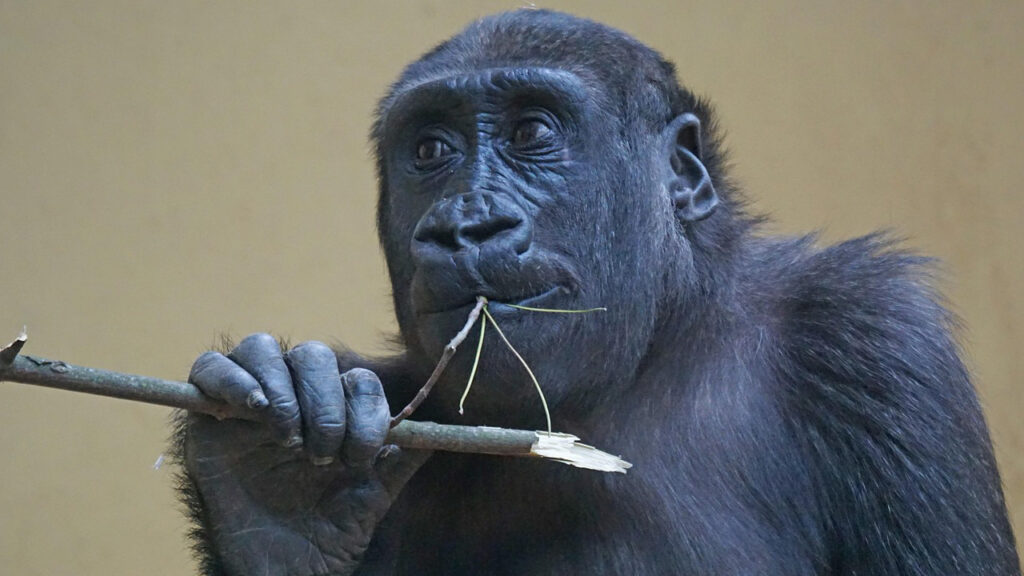
Is a Gorillas and Big Five Safari Worth It?
A Gorillas & Big Five combination safari is the most comprehensive wildlife experience Africa offers. It pairs mountain gorilla trekking in Rwanda or Uganda — where fewer than 1,100 individuals survive in the wild — with classic Big Five game viewing across Kenya and Tanzania’s premier national parks. The standard itinerary runs 10–16 days and covers two to three countries, with permit costs, flight logistics, and park fees all factored into a single package.
What Makes This Combination Unique
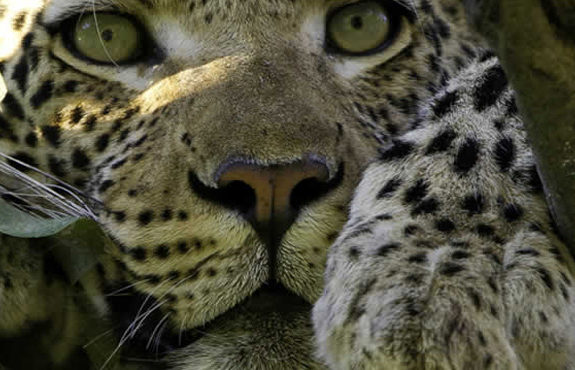
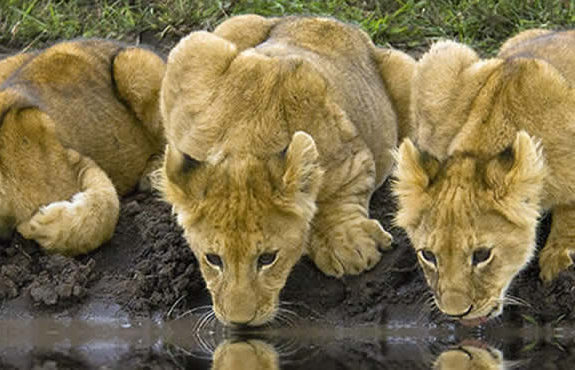
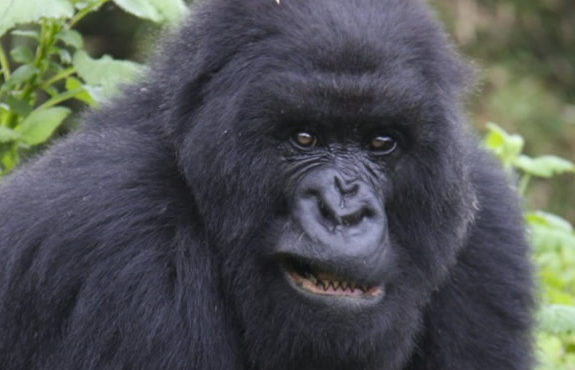
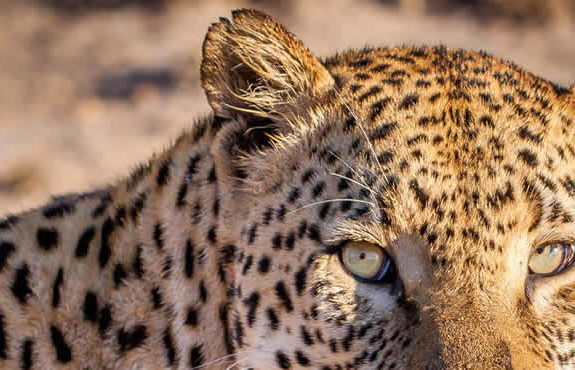
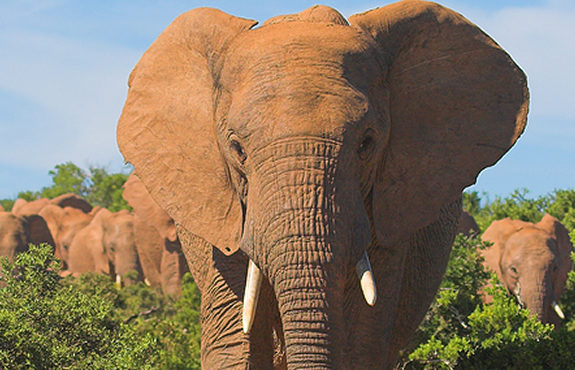
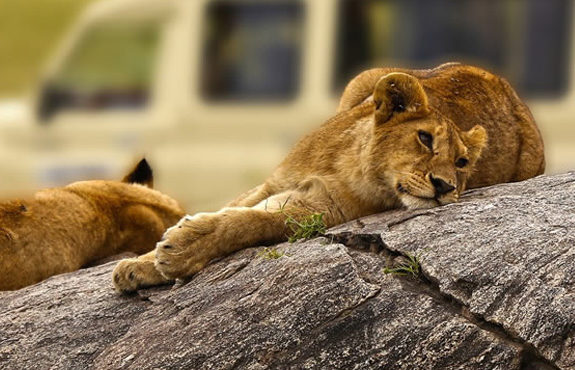
No other safari on earth delivers two such biologically distinct wildlife encounters in one trip. The Big Five — lion, leopard, elephant, buffalo, and rhinoceros — are found across the open savannahs of East Africa. Mountain gorillas (Gorilla beringei beringei), by contrast, live exclusively in the high-altitude forests of the Virunga Massif and Uganda’s Bwindi Impenetrable Forest, at elevations between 2,200 and 4,500 metres above sea level. Combining these requires deliberate multi-country routing, making expert planning essential.
Our Gorilla Safari Trekking Tours for 2026 and 2027
Where Mountain Gorillas Are Found
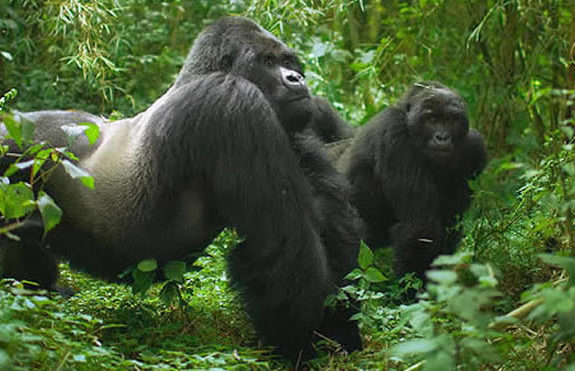
Mountain gorillas exist in only three countries:
Rwanda — Volcanoes National Park (Parc National des Volcans) in the northwest is the most accessible gorilla destination from Kigali’s international airport. A 2.5-hour drive reaches the park’s base at Kinigi. Rwanda permits cost USD $1,500 per person per trek (as of 2024), the highest in the region, reflecting the country’s premium, low-volume conservation model.
Uganda — Bwindi Impenetrable National Park holds roughly half the world’s mountain gorilla population across four sectors: Buhoma, Ruhija, Rushaga, and Nkuringo. Uganda permits cost USD $800 per person. Access is by light aircraft (Kisoro or Kihihi airstrips, 11-seater Cessna Caravan, 15 kg luggage limit) or an overland drive of 8–9 hours from Kampala.
Democratic Republic of Congo (DRC) — Virunga National Park shares the Virunga range with Rwanda and Uganda but is infrequently visited due to security considerations.
Each gorilla trekking session allows a maximum of eight visitors per habituated family group. Treks last between two and six hours depending on gorilla movement. You are allowed one hour in the presence of the gorillas once located.
The Big Five: Best Parks and What to Expect
Kenya delivers arguably the most varied Big Five circuit:
- Amboseli National Park — Famous for large elephant herds and unobstructed views of Mount Kilimanjaro (5,895 m). Consistently excellent elephant viewing, with resident lions and buffalo.
- Masai Mara National Reserve — The northern extension of the Serengeti ecosystem. Home to 12+ lion prides, large leopard populations, and the annual Wildebeest Migration (peak July–October). The Mara River crossing is one of wildlife photography’s great spectacles.
- Ol Pejeta Conservancy — Holds both black and white rhino, completing the Big Five with near-certainty. Also home to rescued chimpanzees originally from Burundi, and Baraka, the conservancy’s famous blind black rhino.
- Lake Nakuru National Park — A dedicated rhino sanctuary and a Ramsar-listed wetland. Hosts the endangered Rothschild’s giraffe and, in season, over two million lesser flamingos.
Tanzania adds ecological depth:
- Serengeti National Park — 14,763 km² of protected savannah. Exceptional big cat density year-round; the southern Serengeti hosts calving (January–March), and the Grumeti and Mara River crossings define the northern migration (June–October). Olduvai Gorge — where Homo habilis fossils date human origins to 1.8 million years ago — lies on the Serengeti’s southeastern boundary.
- Ngorongoro Crater — A 264 km² collapsed volcanic caldera with a self-contained ecosystem. Ngorongoro holds one of Africa’s densest concentrations of wildlife, including an estimated 25,000 large animals and a resident black rhino population.
- Tarangire National Park — Notable for its ancient baobab trees and large elephant aggregations during the dry season (June–October). Also reliable for lesser kudu and tree-climbing lions.
- Lake Manyara National Park — Compact but species-rich. Famous for its tree-climbing lions and large hippo pool.
How to Route a Gorillas & Big Five Itinerary
10-Day Kenya–Rwanda: Seven days across Amboseli, Lake Naivasha, and Masai Mara, then fly Nairobi–Kigali for three days including one gorilla trek in Volcanoes National Park. Best for travellers with limited time.
10-Day Kenya–Uganda: Seven days in Kenya followed by a flight to Bwindi for a gorilla trek. More budget-friendly permit costs; adds Entebbe or Kampala as an optional city stop.
12-Day Kenya–Rwanda: Adds Samburu Game Reserve or Aberdare National Park and Ol Pejeta to the Kenya circuit before flying to Rwanda. Better big cat and rhino coverage.
14-Day Kenya–Tanzania–Rwanda: The flagship multi-country route. Kenya (Amboseli, Masai Mara), Tanzania (Lake Manyara, Ngorongoro, Serengeti), then Rwanda gorillas. Covers all major East African ecosystems in a single journey.
14-Day Rwanda–Tanzania–Zanzibar: Begin with Rwanda gorillas, fly to Kilimanjaro for Tanzania’s Big Five circuit, and conclude with a beach extension on Zanzibar’s white-sand coast. Ideal for beach-bush travellers.
Practical Planning Facts
Gorilla permits sell out months in advance — especially for Rwanda. Book 3–6 months ahead for peak season (June–September and December–January).
Fitness requirement: Gorilla trekking involves hiking at altitude on steep, muddy terrain. A moderate fitness level is sufficient for most habituated groups, but treks to higher-ranging families can be physically demanding.
Visa logistics: Rwanda offers visa-on-arrival to most nationalities. Kenya, Uganda, and Tanzania are all covered by the East Africa Tourist Visa (USD $100), which allows multiple entries across the three countries in 90 days.
Best overall travel window: June to October (dry season) combines peak gorilla trekking conditions with peak Big Five visibility in Kenya and Tanzania.
Accommodation: Packages typically include a mix of lodge, tented camp, and gorilla park proximity accommodation. Classic properties near gorilla parks include Mountain Gorilla View Lodge at Volcanoes National Park and Bwindi-facing lodges such as Mahogany Springs.
Why Combine Both Experiences
A Gorillas & Big Five safari is not simply two itineraries joined together — it is the most complete introduction to Africa’s ecological range. You move from the world’s last viable mountain gorilla habitat to the planet’s most celebrated open-savannah ecosystems in less than two weeks. Few wildlife experiences on earth offer the contrast, the conservation significance, or the sheer depth of encounter that this combination delivers.
Ready to plan your Gorillas & Big Five safari? Browse our curated packages ranging from 10 to 16 days, designed around permit availability, optimal wildlife timing, and seamless multi-country routing.